 French
  English
  German
  Spanish
  Polish
  Chinese
  Japanese
  Korean
  Russian
 Contenu
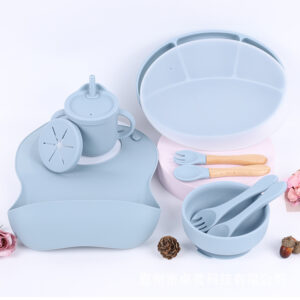
As modern parenting evolves, so do the choices regarding infant feeding products. Silicone feeding sets have surged in popularity due to their durability, versatility, and aesthetic appeal. However, concerns about safety and health implications persist among parents. Understanding whether silicone feeding sets are safe is crucial for making informed decisions that prioritize your child’s health.
In this comprehensive guide, we delve into the material properties, safety standards, potential risks, and best practices associated with silicone baby feeding products. Our goal is to provide parents with detailed, evidence-based information to help them choose the safest, most reliable silicone feeding sets.
Material Composition and Quality Standards of Sets d'alimentation en silicone
Understanding Food-Grade Silicone
The primary factor in determining the safety of silicone feeding sets is the quality of silicone used. Food-grade silicone is formulated to be free from harmful chemicals, including BPA, phthalates, lead, PVC, and latex.
- BPA-Free: Bisphenol A (BPA) is a chemical linked to hormonal disruptions. Reputable silicone products are labeled BPA-free.
- FDA and LFGB Certification: These certifications ensure compliance with strict safety standards set by U.S. and European authorities.
Properties of Food-Grade Silicone
- Stabilité thermique: Can withstand high temperatures (up to 230°C / 446°F), making it suitable for microwave and dishwasher use.
- Non-reactive: Does not react with food or liquids.
- Non-porous Surface: Resists bacterial buildup, aiding hygiene.
- Durabilité: Resistant to cracking, tearing, and discoloration over time.
Are Silicone Feeding Sets Safe for Babies? Expert Analysis
Chemical Safety and Toxicity
Extensive testing by independent laboratories confirms that food-grade silicone is non-toxic and chemically inert. Unlike plastics, silicone does not leach harmful substances into food or beverages, even when exposed to extreme temperatures.
Heat Resistance and Microwave Safety
Silicone’s high heat tolerance allows for safe reheating and sterilization without degradation. Proper use ensures that no toxic fumes or particles are released during typical household use.
Environmental Considerations
Silicone is long-lasting and reusable, making it an eco-friendly choice. It does not break down into microplastics like some plastics, reducing environmental impact.
Allergy and Sensitivity Risks
For most children, silicone is hypoallergenic. However, some children with sensitivities may react; thus, quality assurance and testing for allergens are essential.
Potential Risks and How to Mitigate Them
Contamination from Low-Quality Silicone
Risk: Products made from substandard silicone may contain impurities or chemical additives.
Mitigation: Always select certified food-grade silicone from reputable brands, with clear labeling of safety certifications.
Degradation Over Time
Risk: Repeated exposure to abrasion or harsh cleaning agents can degrade silicone, potentially leading to micro-tears.
Mitigation: Regularly inspect feeding sets for signs of wear and replace if necessary. Use gentle cleaning methods—preferably hand wash or dishwasher-safe settings.
Temperature Extremes and Improper Use
Risk: Exposing silicone to direct flame or extreme temperatures outside recommended ranges** can cause damage or deformation.
Mitigation: Follow manufacturer instructions regarding heat exposure and storage.
Chemical Leaching in Rare Cases
Though rare, improper manufacturing can introduce contaminants. To avoid this, prioritize products from trusted brands with transparent safety testing.
How to Choose the Safest Sets d'alimentation en silicone
| Criteria | Détails |
|---|---|
| Certification | Look for FDA, LFGB, or equivalent safety certifications. |
| Material Labeling | Confirm the product is labeled food-grade silicone. |
| Brand Reputation | Purchase from reliable brands with positive reviews and transparent safety standards. |
| Design Features | Opt for smooth edges, non-slip bases, and easy-to-clean surfaces. |
| Temperature Tolerance | Ensure products are heat-resistant and microwave safe. |
Best Practices for Using Silicone Feeding Sets
- Inspection régulière: Check for cracks, tears, discoloration, or odor.
- Proper Cleaning: Use mild soap and warm water or dishwasher for sterilization.
- Avoid Abrasive Cleaners: These can damage the surface.
- Temperature Limits: Do not expose to direct flame or extreme temperatures outside manufacturer guidelines.
- Storage: Keep in a dry, cool place away from direct sunlight.
- Replacement: Discard if the product shows signs of damage or wear.
Common Myths About Silicone Feeding Sets
Myth 1: Silicone Is Not Safe Because It’s a Plastic
Fact: Silicone is a synthetic rubber, not plastic, and is chemically inert when food-grade.
Myth 2: Silicone Leaches Harmful Chemicals Over Time
Fact: When properly manufactured, silicone de qualité alimentaire does not leach harmful substances, even with repeated use.
Myth 3: Silicone Cannot Be Reused Safely
Fact: Silicone is highly durable and reusable if maintained properly, making it an eco-friendly choice.
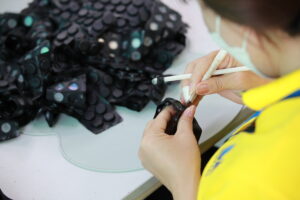
Why LYA Silicone Is Your Trusted Partner
-
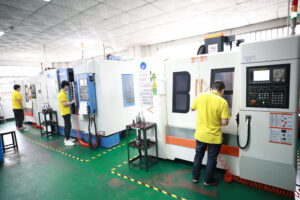
Expertise : Capacités avancées de moulage par injection de LSR et de silicone solide.
-
Expérience dans le secteur : Au service des industries du bébé, de l'animal de compagnie, de la médecine, de l'automobile et de l'électronique dans le monde entier.
-
Solutions personnalisées : Assistance OEM/ODM - de la sélection des matériaux à la conception des moules.
-
Qualité certifiée : Conformité ISO13485, FDA, RoHS, REACH.
-
Matériaux innovants : Dureté, couleur et transparence personnalisables.


Conclusion: Are Silicone Feeding Sets Safe for Your Baby?
Based on current scientific understanding and safety standards, certified food-grade silicone feeding sets are safe for infants and toddlers when used correctly. They offer numerous advantages over traditional materials, including non-toxicity, ease of cleaning, and durability.
Parents must prioritize purchasing products from reputable brands, verify safety certifications, and follow best practices for maintenance and use. When these precautions are observed, silicone feeding sets become an excellent, safe, and practical choice for nurturing your child’s growth and development.
-
📧 Courriel : sale11@lyasilicone.com
-
📞 Phone : +86-13420974883
-
🌐 Site web : www.lyasilicone.com
Looking for a reliable silicone manufacturer? Explore sets d'alimentation pour bébés en silicone from LYA Silicone.