 Korean
  English
  French
  German
  Spanish
  Polish
  Chinese
  Japanese
  Russian
 콘텐츠
오늘날 현대 사회에서 실리콘(실리콘 고무)은 일상 생활에서 가장 흔한 소재 중 하나가 되었습니다. 유아용 치발기와 애완동물용 그릇부터 실리콘 여행용 젖병과 접이식 야외용 물컵과 같은 개인 위생용품에 이르기까지 실리콘은 안전하고 무독성이며 내열성과 내구성이 뛰어나다는 평가를 받고 있습니다.
그러나 온라인 토론에서는 종종 다음과 같은 질문이 제기됩니다. "실리콘이 암을 유발할 수 있나요?" 이 문서에서 LYA 실리콘 는 과학적 관점에서 이 주제를 탐구하고 연구 증거, 안전 기준 및 실제 사용 지침을 분석하여 명확한 증거 기반의 답변을 제공합니다.
1. 실리콘과 암의 복잡한 관계
✅ 실리콘이란 무엇인가요?
실리콘은 주로 실리콘(Si)과 산소(O)로 구성된 합성 고분자로, 일반적으로 액상 실리콘 고무(LSR) 또는 고온 가황(HTV) 실리콘으로 가공됩니다.
플라스틱과 달리 실리콘은 열 안정성, 화학적 불활성, 생체 적합성이 뛰어나 유아용품, 개인 위생용품 용기, 반려동물 액세서리에 이상적입니다.
✅ 과학은 무엇을 말하나요?
미국 식품의약국(FDA)과 유럽 식품안전청(EFSA)에 따르면 인증된 식품 등급 실리콘은 유해한 화학물질을 방출하지 않으며 암 발생과 관련이 없다고 합니다.
다음과 같은 저널에 발표된 연구 식품 첨가물 및 오염 물질 (2016)에 따르면 정상적인 조건(조리 또는 끓이는 중에도)에서 실리콘 제품은 독성 또는 발암성 물질을 방출하지 않는다고 합니다.
따라서 전 세계적으로 식품 등급 및 백금 경화 실리콘은 헬스케어, 베이비 케어 및 소비재 분야에서 널리 사용되는 안전하고 친환경적인 소재로 인정받고 있습니다.
2. 일상적인 실리콘 제품의 화학물질 침출 위험: 과학적 평가
실리콘은 일반적으로 안정적이고 안전하지만 순도와 가공 방법이 제품 안전에 큰 영향을 미칩니다. 실제 적용 사례를 살펴보겠습니다:
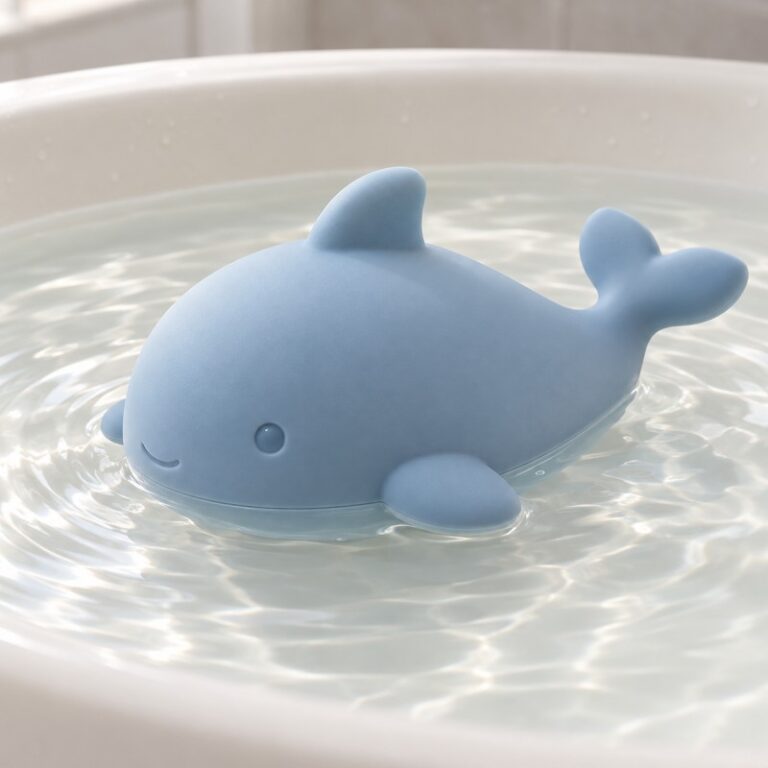
🧸 실리콘 유아용 제품
실리콘 젖꼭지, 젖병, 노리개 젖꼭지 등이 포함됩니다.
저품질 실리콘에는 극심한 열이나 산성 조건에서 이동할 수 있는 미량의 실록산이 함유되어 있을 수 있습니다. 그러나 연구에 따르면 이러한 미량 화합물은 생물학적 활성이나 발암성이 없는 것으로 확인되었습니다.
안전 수칙:
-
항상 FDA 및 LFGB 인증을 받은 식품 등급 실리콘을 선택하세요;
-
200°C 이상에서 장시간 노출되지 않도록 주의하세요;
-
오래되거나 변색된 제품은 정기적으로 교체하세요.

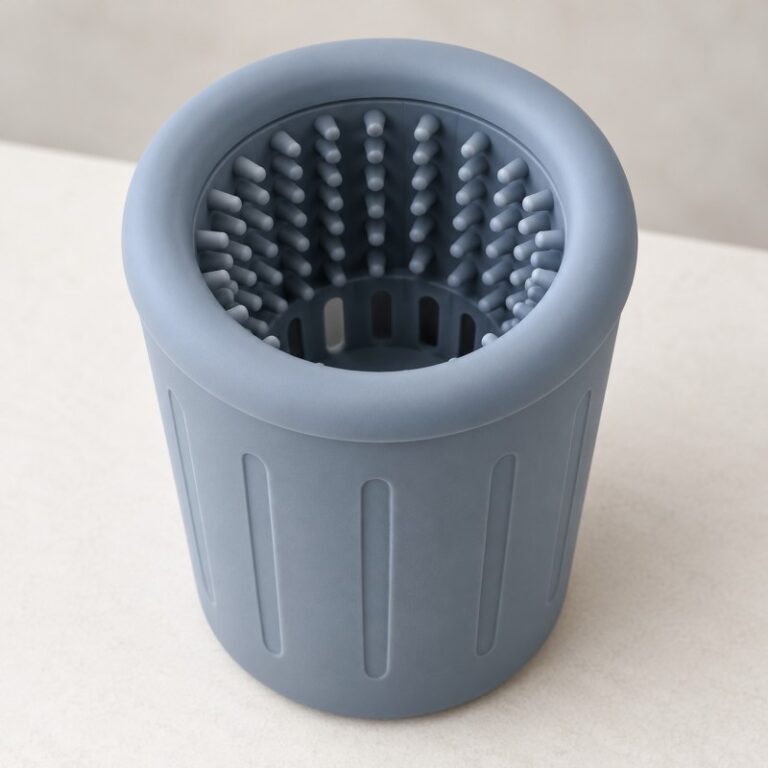
🐾 실리콘 반려동물 제품
실리콘 반려동물 그릇, 브러시, 간식 파우치 등이 포함되어 있습니다.
실리콘은 무취, 불활성이며 박테리아 번식에 강하기 때문에 음식과 접촉하는 반려동물 용품에 이상적입니다.
안전 수칙:
-
식품 등급의 BPA가 없는 실리콘만 사용하세요;
-
강산이나 용제가 아닌 중성 세제로 세탁하세요;
-
노화 방지를 위해 장기간 자외선 노출을 피하세요.

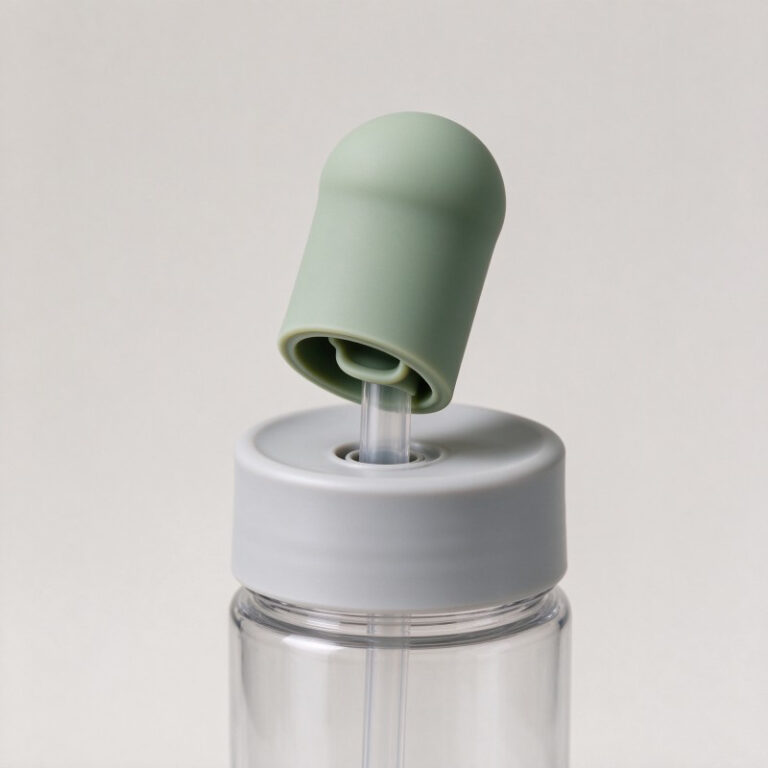
🧴 퍼스널 케어 제품: 실리콘 여행용 보틀 & 접이식 물컵
백금 경화 액상 실리콘 고무(LSR)로 만든 퍼스널 케어 제품은 순도가 높고 유연하며 침출에 강한 것으로 알려져 있습니다.
연구에 따르면 백금 경화 실리콘은 휘발성 유기 화합물(VOC)을 거의 방출하지 않아 스킨케어 액체, 로션, 음료에 안전하게 사용할 수 있습니다.
안전 수칙:
-
사용하기 전에 헹구어 표면 잔여물을 제거하세요;
-
강한 알코올성 또는 산성 액체와 장시간 접촉하지 마세요;
-
SGS, LFGB 또는 REACH 표준을 충족하는 제품을 선택하세요.
3. 잠재적 위험을 최소화하기 위한 실용적인 팁 3.
-
✅ 인증 확인 - 제품 포장에 FDA, LFGB, ROHS 및 REACH 규정 준수 여부가 표시되어 있는지 확인하세요.
-
✅ 평판이 좋은 제조업체 선택 - LYA 실리콘은 ISO 9001 / ISO 13485 / IATF 16949 인증을 받았으며 고품질의 식품 안전 실리콘 부품을 생산합니다.
-
✅ 필러로 저품질 실리콘 피하기 - 값싼 실리콘에는 불순물이나 경화되지 않는 오일이 포함되어 있을 수 있습니다.
-
✅ 과열 및 강한 화학물질 피하기 - 실리콘을 화기나 강산에 노출시키지 마세요.
-
✅ 노후화되면 교체 - 위생과 안전을 유지하기 위해 변색, 냄새, 끈적임이 있는 제품은 폐기하세요.
4. LYA 실리콘: 액체 실리콘 고무 제조의 신뢰할 수 있는 전문가
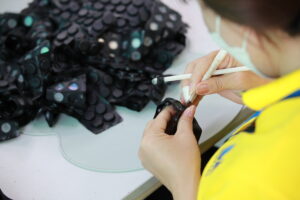
전문 LSR(액상 실리콘 고무) 및 HTV 실리콘 제조업체인 LYA 실리콘은 안전성, 내구성 및 지속 가능성을 위해 설계된 완벽한 실리콘 제품 솔루션을 제공합니다.
당사의 제품 범위에는 다음이 포함됩니다:
-
👶 유아용 실리콘 제품실리콘 치발기, 수유 세트, 유아용 그릇;
-
🐕 반려동물 실리콘 제품실리콘 반려동물 그릇, 먹이 매트, 장난감, 그루밍 브러시;
-
🧴 개인 관리 제품실리콘 여행용 보틀 및 접이식 야외용 물컵;


FAQ: 실리콘 안전에 대한 일반적인 질문
Q1: 실리콘은 완전히 무독성인가요?
예. 인증된 식품 등급 및 백금 경화 실리콘은 무독성, 무취, 화학적으로 안정적입니다.
Q2: 실리콘을 가열하면 유해 물질이 방출되나요?
고품질 실리콘은 200°C 이상에서 분해되거나 유해한 화학 물질을 방출하지 않고 견딜 수 있습니다.
Q3: 실리콘은 플라스틱과 어떻게 다른가요?
실리콘은 BPA나 가소제를 포함하지 않고 미세 플라스틱을 생성하지 않으며 재사용이 가능하고 환경 친화적입니다.
Q4: 실리콘 제품이 안전한지 어떻게 알 수 있나요?
다음과 같은 인증(FDA/LFGB/REACH) 및 평판이 좋은 제조업체를 확인하세요. LYA 실리콘 문서화 및 품질 보고서를 제공합니다.
📩 지금 바로 문의하여 프로젝트에 대해 논의하세요:
-
📧 이메일: sale11@lyasilicone.com
-
📞 전화: +86-13420974883
-
🌐 웹사이트: www.lyasilicone.com