 French
  English
  German
  Spanish
  Polish
  Chinese
  Japanese
  Korean
  Russian
 Contenu
When sourcing silicone components for food contact, baby care, or healthcare applications, B2B buyers often ask the same critical question:
What is the real difference between food-grade silicone and medical-grade silicone?
Although both materials are based on silicone elastomers and are widely considered safe, their chemical purity, regulatory standards, testing requirements, and manufacturing controls differ significantly. Understanding these differences is essential when selecting the right material — and the right manufacturing partner.
At LYA Silicone , we specialize in custom liquid silicone rubber (LSR) and solid silicone molding for food, baby, and medical industries, delivering compliant, high-performance silicone components for global brands.
This guide explains the scientific, regulatory, and manufacturing distinctions between food-grade and medical-grade silicone — and how to choose the right solution for your application.
1. Qu'est-ce que le silicone alimentaire ?
Food-grade silicone is a silicone elastomer specifically formulated for direct or indirect contact with food and beverages.
Key Scientific Characteristics
-
Chemically inert polymer structure (Si–O–Si backbone)
-
High thermal stability (typically −40°C to 230°C)
-
Excellent resistance to oxidation, moisture, and UV
-
Non-toxic, odorless, and tasteless
-
Does not leach harmful substances under normal food-use conditions
Common International Standards
Food-grade silicone must comply with regulations such as:
-
FDA 21 CFR 177.2600 (USA)
-
LFGB (Allemagne / UE)
-
EU 1935/2004
-
REACH & RoHS
These standards focus primarily on:
-
Migration limits
-
Heavy metal content
-
Volatile organic compounds (VOCs)
-
Sensory neutrality (no taste or odor transfer)
Typical Applications
-
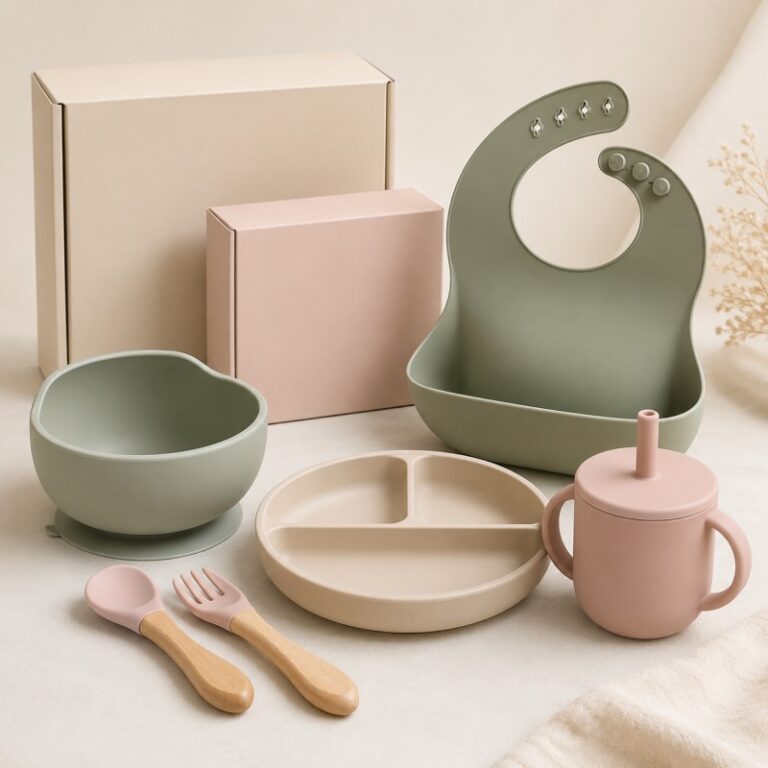
Baby feeding products (teethers, bottle nipples, spoons)
-
Kitchenware and bakeware
-
Food processing seals and gaskets
-
Coffee machine and beverage system components
2. What Is Medical-Grade Silicone?
Medical-grade silicone represents the highest purity class of silicone elastomers, engineered for direct contact with the human body, including skin, mucosa, and in some cases internal tissues.
Higher Scientific & Manufacturing Requirements
Compared with food-grade silicone, medical-grade silicone features:
-
Ultra-low extractables and leachables
-
Narrow molecular weight distribution
-
Exceptional biocompatibility
-
Strict control of catalysts, fillers, and additives
-
Higher consistency batch-to-batch
Core Medical Certifications
Medical-grade silicone must pass:
-
ISO 10993 (Biological Evaluation of Medical Devices)
-
USP Class VI
-
ISO 13485 manufacturing system
-
Cytotoxicity, sensitization, and irritation testing
-
Long-term aging and stability studies
These tests simulate real biological exposure, ensuring the material does not cause:
-
Cell toxicity
-
Immune reactions
-
Tissue irritation
-
Chemical migration under physiological conditions
Typical Medical Applications
-
Medical tubing and connectors
-
Respiratory masks and seals
-
Drug-delivery components
-
Wearable medical device housings
-
Surgical and diagnostic device parts
3. Food-Grade vs Medical-Grade Silicone: A Technical Comparison
| Aspect | Silicone alimentaire | Medical-Grade Silicone |
|---|---|---|
| Regulatory Focus | Food contact safety | Biocompatibilité |
| Purity Level | Haut | Ultra-high |
| Testing Scope | Migration, heavy metals | ISO 10993, USP VI |
| Manufacturing Control | Strict | Extremely strict |
| Cleanroom Requirement | Not mandatory | Often required |
| Cost Level | Modéré | Higher |
| Typical Lifecycle | Short to medium contact | Long-term body contact |
4. Why Manufacturing Process Matters More Than Material Alone
Many buyers focus only on material certificates, but manufacturing control is equally critical.
At LYA Silicone, we combine:
-
Medical-grade & food-grade certified raw materials
-
Liquid silicone rubber (LSR) injection molding
-
Automated production to reduce contamination
-
Precision tooling for flash-free, one-piece designs
-
Full traceability from raw material to finished product
Especially for baby and medical products, one-piece molded silicone designs eliminate:
-
Assembly gaps
-
Bacterial hiding points
-
Adhesive contamination risks
5. How to Choose the Right Silicone for Your Product
Ask these key questions:
-
Will the product have direct or prolonged contact with the human body?
-
Is the application food contact only or medical device related?
-
Which markets will the product be sold in (USA, EU, global)?
-
Does the product require long-term durability and sterilization resistance?
-
Can your supplier provide test reports, traceability, and OEM support?
6. Why Global B2B Buyers Choose LYA Silicone
-
Custom food-grade & medical-grade silicone molding
-
One-stop OEM/ODM support from mold design to mass production
-
Compliance with FDA, LFGB, ISO, USP standards
-
Experience serving baby, medical, and industrial brands
-
Engineering-driven approach for complex silicone components


6. Recommended Products from LYA Silicone
Au www.lyasilicone.com, we offer a wide range of custom silicone solutions:
-
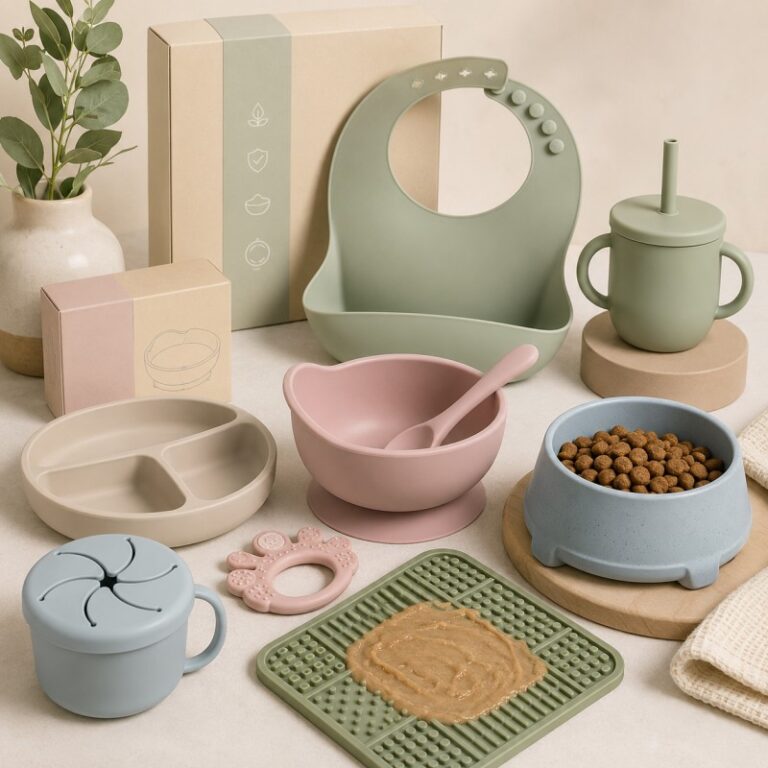
One-piece molded baby feeding products – safe, durable, and easy to clean
-
Medical-grade LSR seals and gaskets – compliant with ISO 10993 and USP Class VI
-
Silicone tubing – flexible, sterilizable, and biocompatible
-
Overmolded silicone components – precise, multi-material designs
-
Precision silicone parts – engineered for OEM/ODM applications in food, medical, and industrial sectors
7. Recommended Baby-Safe Silicone Products from LYA Silicone
Here are some of the baby-oriented categories we manufacture for global brands:
-
Mangeoires en silicone pour bébés & Sensory Toys – soft, easy to grip, non-toxic designs.
-
Feeding Utensils & Tableware – food-grade silicone bowls, spoons, and plates.
-
Baby Bottle Accessories & Brushes – durable silicone tools for daily use.

FAQ – Food-Grade vs Medical-Grade Silicone
Q1: Is food-grade silicone safe for baby products?
Yes, food-grade silicone compliant with FDA or LFGB standards is widely used for baby feeding products. For long-term or medical-related use, medical-grade silicone is recommended.
Q2: Can food-grade silicone be used in medical devices?
Generally no. Medical devices require medical-grade silicone tested under ISO 10993 and USP Class VI standards.
Q3: Why is medical-grade silicone more expensive?
Due to higher raw material purity, extensive biological testing, stricter manufacturing controls, and certification costs.
Q4: Does LYA Silicone provide compliance documentation?
Yes. We provide material certifications, test reports, and traceability documentation based on project requirements.
Q5: Can LYA Silicone support custom OEM projects?
Absolutely. We specialize in custom silicone molding, from prototype development to mass production for global B2B clients.
Informations sur le contact
LYA Silicone - Votre partenaire OEM de confiance pour les silicones
-
 Courriel : sale11@lyasilicone.com
 -
 Téléphone : +86- +86-13420974883
 -
 Site web : www.lyasilicone.com