 Russian
  English
  French
  German
  Spanish
  Polish
  Chinese
  Japanese
  Korean
 Содержание
Babies with sensitive skin require special attention when selecting toys and teething accessories. Silicone toys have surged in popularity among parents seeking safe, durable, and hygienic options. But are they truly suitable for infants with sensitive skin? This comprehensive guide explores the safety, benefits, potential concerns, and best practices for choosing silicone toys for babies prone to skin sensitivities.
Understanding Baby Skin Sensitivity and Its Implications
Baby skin is notably more delicate and porous than adult skin. It has a thinner epidermis, which makes it more susceptible to irritation from allergens, chemicals, and rough textures. Sensitive skin in infants can manifest as redness, rash, or eczema, often triggered by environmental factors, skincare products, or certain materials in toys.
Key Factors Affecting Baby Skin Sensitivity:
- Chemical Exposure: Some plastics, dyes, and fragrances may cause irritation.
- Material Composition: Certain materials contain allergens or irritants.
- Hygiene and Cleanliness: Bacteria and mold can exacerbate skin issues.
- Environmental Factors: Dry air, extreme temperatures, and allergens.
Why Material Choice Matters for Sensitive Skin
Choosing safe, hypoallergenic, and chemical-free materials is crucial. Silicone is often recommended because of its inert, non-toxic properties, making it a popular choice for sensitive-skinned babies.
What Are Silicone Toys? An Overview
Silicone toys are crafted from medical-grade, food-grade silicone, a synthetic polymer known for its flexibility, durability, and safety. These toys are designed to withstand teething, biting, and chewing, making them ideal for infants.
Characteristics of Silicone Toys:
- Non-toxic and food-safe: Free from BPA, phthalates, lead, and other harmful chemicals.
- Hypoallergenic: Less likely to cause allergic reactions.
- Легко чистится: Can be sterilized and washed without degrading.
- Устойчивость к перепадам температур: Safe for use with hot or cold treatments.
- Durable and Long-Lasting: Resistant to tearing and deformation.
Are Silicone Toys Safe for Babies with Sensitive Skin?
Силиконовые игрушки are generally considered safe for infants with sensitive skin due to their chemical inertness and hypoallergenic properties. However, it is essential to verify the product’s certifications and manufacturing standards to ensure safety.
Advantages of Silicone Toys for Sensitive Skin:
- Chemical-Free Composition: Medical-grade silicone does not contain harmful additives.
- Non-Porous Surface: Prevents bacteria buildup and facilitates thorough cleaning.
- Free from Allergens: Unlike some plastics or painted toys, silicone lacks common allergens.
- Soft and Gentle: Provides a soothing texture that minimizes irritation.

Potential Concerns and How to Mitigate Them
While silicone toys are generally safe, certain pitfalls can impact their suitability:
- Low-Quality Manufacturing: Some products may contain residual chemicals or impurities if not produced under strict standards.
- Dyes and Additives: Colored silicone toys may contain dyes, which could potentially cause irritation if not certified as safe.
- Improper Cleaning: Bacteria can accumulate if toys are not cleaned properly, risking skin irritation.
- Temperature Extremes: Exposing silicone to high heat or direct sunlight for prolonged periods can degrade the material.
Mitigation Strategies:
- Always purchase certified, medical-grade silicone toys.
- Opt for colorless or naturally pigmented toys without added dyes.
- Sterilize regularly by boiling or using sterilizing solutions.
- Inspect toys regularly for any signs of wear or damage.
How to Choose the Best Silicone Toys for Babies with Sensitive Skin
Selecting the right silicone toy involves careful consideration of several factors:
1. Certification and Safety Standards
Look for toys that meet international safety standards such as CE, ASTM, or FDA approval. These certifications guarantee the product has undergone rigorous testing for toxicity, chemical content, and safety.
2. Material Quality
Choose medical-grade, food-grade silicone that is BPA-free, phthalate-free, lead-free, and free from harmful dyes. High-quality silicone is inert and unlikely to cause skin reactions.
3. Design and Texture
Opt for smooth, seamless designs to prevent dirt accumulation and skin irritation. Textured toys can provide additional sensory stimulation but should be gentle and free of sharp edges.
4. Color and Pigmentation
Prefer natural or transparent silicone toys without added dyes. If colored, ensure they are certified non-toxic.
5. Ease of Cleaning
Select toys that are dishwasher safe or can be boiled for sterilization. Avoid porous or complex designs that trap dirt.
6. Size and Shape
Ensure the toy is appropriately sized to prevent choking hazards and designed for safe chewing and teething.
Best Practices for Maintaining Silicone Toys for Sensitive Skins
Proper maintenance prolongs the lifespan of silicone toys and ensures ongoing safety:
| Maintenance Tip | Подробности |
|---|---|
| Regular Cleaning | Wash with warm water and mild, fragrance-free soap or boil for sterilization. |
| Inspect for Damage | Regularly check for cracks, tears, or discoloration. Discard damaged toys. |
| Store Properly | Keep in a clean, dry place away from direct sunlight and extreme temperatures. |
| Avoid Harsh Chemicals | Do not use bleach or abrasive cleaners that can degrade silicone. |
| Limit Exposure to Heat | Avoid leaving toys in hot cars or near heat sources. |
🌟 Why Choose LYA Silicone for Sensitive Baby Products?
-
Pet & Safe: 100% BPA-free, hypoallergenic, toxin-free silicone.
-
Strict Standards: FDA, CE, ASTM, LFGB certified for global safety.
-
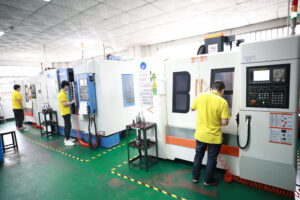
Advanced Technology: Precision LSR molding for durability and consistency.
-
Trusted Partner: Expertise in baby & pet silicone products, trusted by global brands.


Expert Recommendations for Parents
Parents of babies with sensitive skin should prioritize medical-grade silicone toys and adhere to safety guidelines:
- Always verify certifications before purchase.
- Prioritize simplicity in design to minimize irritation.
- Implement strict hygiene routines for cleaning.
- Monitor skin reactions and discontinue use if irritation occurs.
- Consult pediatricians for personalized advice on teething and toy safety.
Conclusion: Are Silicone Toys Truly Suitable for Babies with Sensitive Skin?
In summary, silicone toys—when sourced from reputable manufacturers and maintained properly—are highly suitable for babies with sensitive skin. Their chemical inertness, hypoallergenic nature, and ease of sterilization make them an excellent choice for parents seeking safe, durable, and hygienic toys.
Choosing certified, high-quality silicone products, combined with diligent cleaning and regular inspection, ensures that your baby can enjoy teething and sensory play without risking skin irritation or exposure to harmful substances. Silicone toys represent a safe, reliable, and long-lasting option for nurturing your child’s development and comfort.
-
 Электронная почта: sale11@lyasilicone.com
 -
 Телефон: +86-13420974883
 -
 Веб-сайт: www.lyasilicone.com
📌 FAQ: Silicone Toys for Babies with Sensitive Skin
Q1: Are silicone toys safe for babies with sensitive skin?
A1: Yes. Medical-grade and food-grade silicone is hypoallergenic, non-toxic, and free from harmful chemicals like BPA, phthalates, and lead, making it suitable for sensitive skin.
Q2: Do silicone toys cause allergies or rashes?
A2: High-quality silicone is inert and unlikely to cause allergic reactions. However, parents should avoid low-quality or uncertified products that may contain unsafe dyes or additives.
Q3: How should I clean and sterilize silicone toys?
A3: Wash with warm water and fragrance-free soap, or sterilize by boiling. Avoid bleach or harsh chemicals that can damage the material.
Q4: How often should I replace silicone toys?
A4: Regularly inspect for cracks, tears, or discoloration. Replace immediately if any damage is found to maintain safety and hygiene.
Q5: Are colored silicone toys safe?
A5: Yes, if the pigmentation is certified non-toxic. For extra safety, many parents choose colorless or naturally pigmented silicone toys.
Q6: What certifications should I look for?
A6: Look for CE, ASTM, FDA, or other international safety certifications, which indicate the product has passed rigorous quality and safety testing.