 English
  French
  German
  Spanish
  Polish
  Chinese
  Japanese
  Korean
  Russian
 Contents
Introduction
When customers purchase silicone products — whether baby teethers, kitchenware,— one of the most common concerns is:
“Does it have any weird smells or a sticky surface?”
Many people associate such signs with low-grade silicone, and in most cases, they’re right — but not always. This article explains the science behind odor and stickiness in silicone, how to identify high-quality materials, and why choosing a professional manufacturer like LYA Silicone ensures you get only odorless, safe, and premium-grade silicone products.
1. The Science Behind Silicone Odor and Stickiness
Silicone’s chemical composition and curing process directly determine whether it smells or feels tacky. High-quality platinum-cured LSR (Liquid Silicone Rubber) is virtually odorless and non-sticky, while cheaper formulations may release unpleasant odors or remain tacky due to poor curing or low-grade fillers.
Common Causes of Odor or Stickiness
-
Volatile Compounds (VOCs): Unreacted siloxanes or solvents can off-gas, producing a “rubber-like” smell.
-
Curing System:
-
Platinum-cured silicone (medical/food-grade) – clean, stable, odor-free.
-
Peroxide-cured silicone (industrial/low-end) – may release byproducts with noticeable odor.
-
-
Incomplete Post-Curing: Residual low-molecular compounds can migrate to the surface, creating tackiness.
-
Cheap Additives or Colorants: Low-cost pigments and fillers often degrade over time, leading to surface stickiness.
-
Surface Oil Migration: Excess silicone oil can leave a slippery or sticky layer if not properly treated.
2. How to Identify High-Quality Silicone
When evaluating silicone quality, consider both scientific and practical indicators:
-
Certifications:
-
Food-contact compliant: FDA 21CFR, LFGB
-
Medical-grade standards: ISO 10993 Biocompatibility
-
Environmental: RoHS, REACH, low-VOC testing
-
-
Curing Type: Ask if the silicone is platinum-cured LSR — this process eliminates unwanted residues and odors.
-
Post-Curing Process: Proper thermal post-curing reduces volatile compounds, improving purity and stability.
-
Testing Methods: TGA, GC-MS, or surface energy tests reveal the material’s purity and safety.
-
Touch & Smell Test: True medical- or food-grade silicone should be tack-free, smooth, and almost odorless.
3. Why Choose LYA Silicone
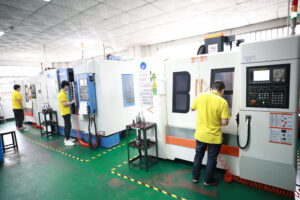
Choosing LYA Silicone means choosing precision, safety, and reliability backed by years of material expertise and advanced manufacturing technology.
✅ Our Key Advantages
-
Platinum-Cured LSR Only:
We exclusively use platinum-cured, medical- and food-grade silicone to guarantee non-toxic, odorless, and stable performance. -
Strict Quality Control:
Every batch undergoes post-curing, vacuum degassing, and VOC testing to ensure zero residuals and no sticky surface. -
Certified Materials:
All materials meet FDA, LFGB, RoHS, and ISO 10993 standards for biocompatibility and safety. -
Custom Formulation & Design:
From silicone overmolding to baby and pet products, we tailor hardness, texture, and color for your brand and application. -
Eco-Friendly & Sustainable:
Our silicone is BPA-free, recyclable, and resistant to odor transfer, ensuring long-term usability. -
Global Supply Confidence:
Trusted by OEM/ODM partners in medical, consumer electronics, automotive, and baby care industries.


4. Maintenance & Care Tips
-
Wash before first use: Use warm water and mild detergent to remove minor volatile residues.
-
Avoid solvents: Never expose silicone to strong chemicals (e.g., gasoline, alcohol).
-
Store properly: Keep away from strong-smelling materials to avoid odor absorption.
5. Common Misconceptions
| Misconception | Reality |
|---|---|
| “No smell = always high quality” | Even platinum silicone can have mild initial odor that dissipates quickly. |
| “Sticky means defective” | Minor tackiness can occur if freshly molded; should disappear after post-cure. |
| “All silicone can handle high heat” | Only certified high-temperature grades (up to 200°C+) are truly stable. |
Conclusion
A weird smell or sticky surface is often a red flag for low-quality or poorly processed silicone.
With LYA Silicone, you get scientifically tested, platinum-cured LSR that’s clean, stable, odor-free, and compliant with global safety standards. Our expertise ensures consistent quality, advanced mold design, and long-term product performance — from baby teethers and medical seals to industrial overmolded components.
-
📧 Email: sale11@lyasilicone.com
-
📞 Phone: +86-13420974883
-
🌐 Website: www.lyasilicone.com
FAQ
Q1: Why does some silicone smell when new?
A: Minor odors can come from packaging or residual volatiles. In LYA Silicone’s platinum-cured LSR, these are removed during post-curing.
Q2: Is sticky silicone safe?
A: Persistent stickiness indicates incomplete curing or poor formulation. Our tack-free surfaces ensure stable, safe performance.
Q3: Can silicone absorb surrounding smells?
A: Inferior silicones might. LYA’s non-porous, high-density LSR prevents odor absorption and discoloration.
Q4: How do I know if it’s food- or medical-grade?
A: Look for certifications like FDA, LFGB, or ISO 10993. LYA provides documentation for all batches.
Q5: Can LYA provide OEM/ODM customization?
A: Absolutely. From mold design to color and hardness customization, we deliver end-to-end silicone product solutions for global clients.
Looking for a reliable silicone manufacturer? Explore high-grade silicone from LYA Silicone.