 English
  French
  German
  Spanish
  Polish
  Chinese
  Japanese
  Korean
  Russian
 Contents
When parents choose silicone baby tableware, teethers, or toys, one of the most common concerns is:
Will the silicone crack, peel, or degrade after repeated chewing or rough play?
At LYA Silicone, we answer this with science.
High-quality food-grade silicone, when engineered and molded correctly, exhibits exceptional chew resistance, aging stability, and structural durability. Below, we’ll explain the material principles, engineering data, testing standards, and design practices that guarantee long-term performance — giving your customers a solid reason to trust your products.
🧠 1. Material Science: Why Premium Silicone Is Exceptionally Durable
Crosslinked Molecular Network (Not Plastic)
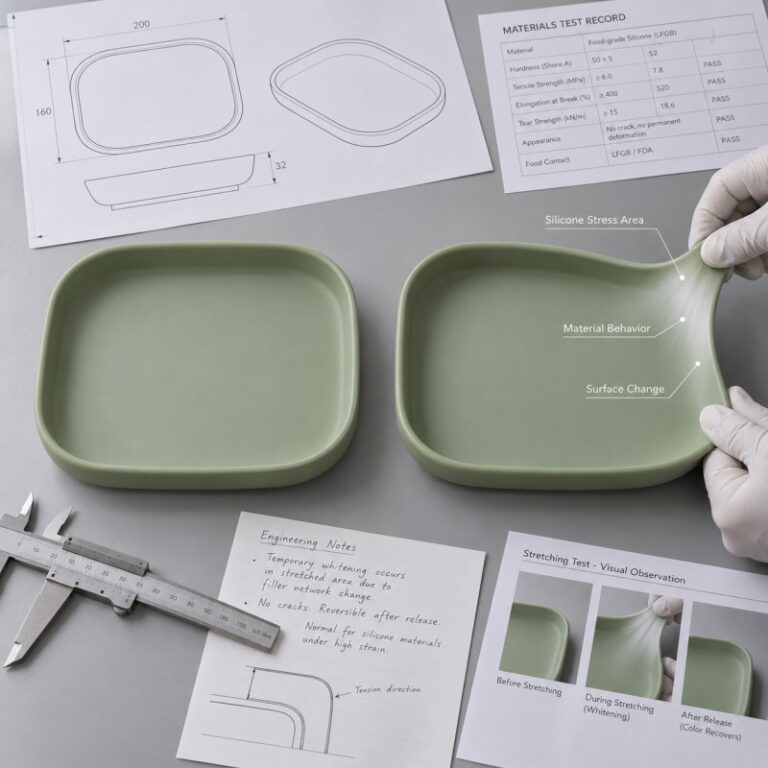
Food-grade silicone — including Liquid Silicone Rubber (LSR) and High-Temperature Vulcanized (HTV) silicone — forms a three-dimensional crosslinked polymer network during curing. This structure grants superior elasticity, fatigue resistance, and recovery performance, unlike soft plastics that may delaminate or peel over time.
Non-Porous, Low Absorption Surface
Silicone has an almost non-porous surface, with minimal water absorption. This means it resists microbial growth, discoloration, and surface separation better than fabric or some plastics.
Outstanding Weather and Chemical Resistance
Premium silicone resists oxidation, ozone, enzymes in saliva, and many cleaning chemicals. It won’t harden or crack like natural rubber over time.
Thermal Stability
Food-grade silicone maintains mechanical integrity from -40°C to +200°C (short-term up to 230°C). This makes it safe for freezing (teething relief), boiling sterilization, and dishwasher
cleaning, without cracking or deformation (always follow the product’s specifications).
⚙️ 2. Engineering & Testing Metrics — How We Quantify “Durability”
To ensure real-world performance, LYA Silicone conducts and recommends the following mechanical and safety tests:
Tensile Strength & Elongation — ASTM D412 / ISO 37
Measures stretchability and strength under tension. Durable silicone typically achieves 200%–800% elongation, resisting tearing during chewing or bending.
Tear Strength — ASTM D624
Essential for thin-wall or slotted parts (like handles or loops). High tear strength prevents ripping under strong bite force or stretching.
Compression Set — ISO 815
Evaluates recovery after long-term compression — important for suction bowls, bib clasps, and sealing rings.
Aging Resistance (Thermal / Ozone / UV) — ASTM D573
Simulates long-term exposure to heat, light, and ozone, verifying that the silicone won’t harden or crack with time.
Toy & Food Safety Compliance — EN71-3, ASTM F963, FDA, CPSIA
Ensures zero migration of heavy metals or harmful chemicals and guarantees physical safety (no small parts, choking risk).
Displaying these verified results or third-party lab certificates on your product page significantly increases buyer trust — especially for American clients.
⚠️ 3. Why Some Silicone Products Fail — Common Causes of Cracking or Peeling
Even though silicone itself is robust, low-quality products may still degrade due to:
-
Improper Formulation: Excess fillers or plasticizers reduce crosslink density, causing stickiness or early aging.
-
Incomplete Curing: Under-cured silicone has weak bonds, prone to tearing under stress.
-
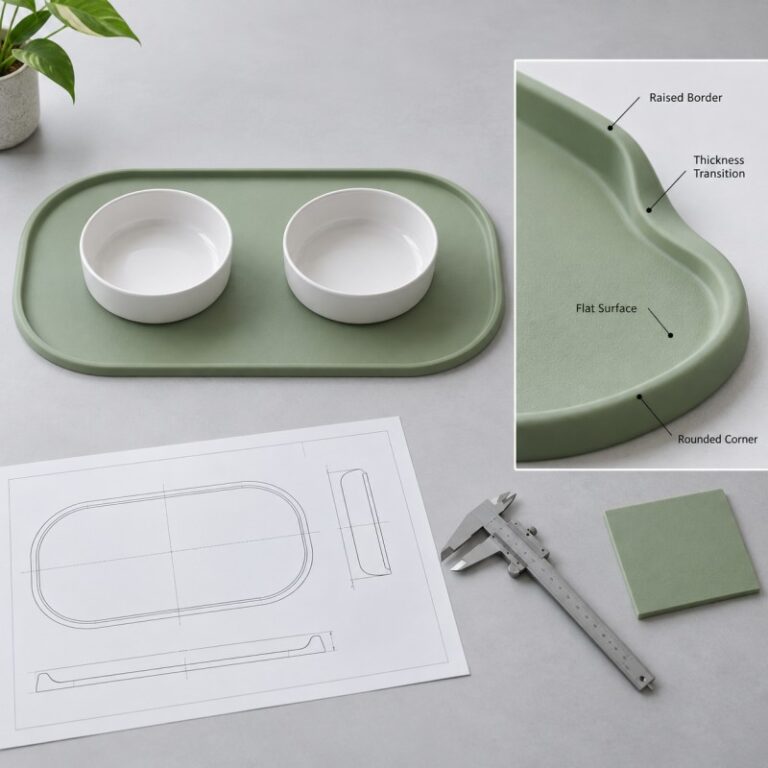
Poor Structural Design: Sharp edges or thin areas concentrate stress, leading to cracks.
-
Unqualified Pigments or Coatings: Surface-applied dyes or incompatible coatings can peel or migrate.
-
Improper Use or Harsh Conditions: Continuous exposure to strong oxidizers, solvents, or extreme heat can damage the polymer.
That’s why material formulation, mold design, and curing control together determine the real durability of a silicone product.
🏭 4. How LYA Silicone Ensures Superior Durability
-
✅ Certified Food-Grade & Toy-Grade Silicone with traceable COA.
-
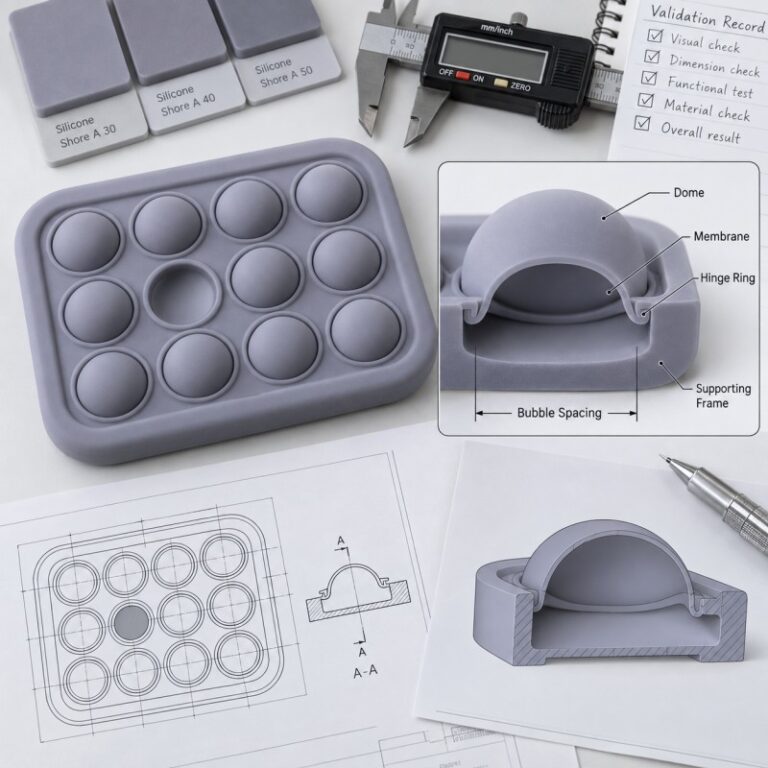
✅ Custom Engineered Formulations: Adjusted hardness (Shore A/00), crosslink density, and filler ratio per application — balancing chew resistance and softness.
-
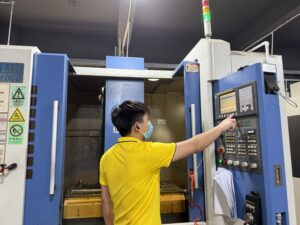
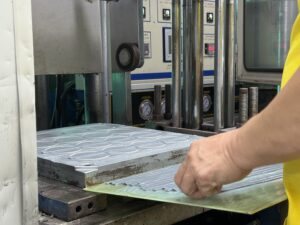
✅ Precision Molding & Injection: Controlled LSR injection or compression curing for complete crosslinking — no bubbles, no tackiness.
-
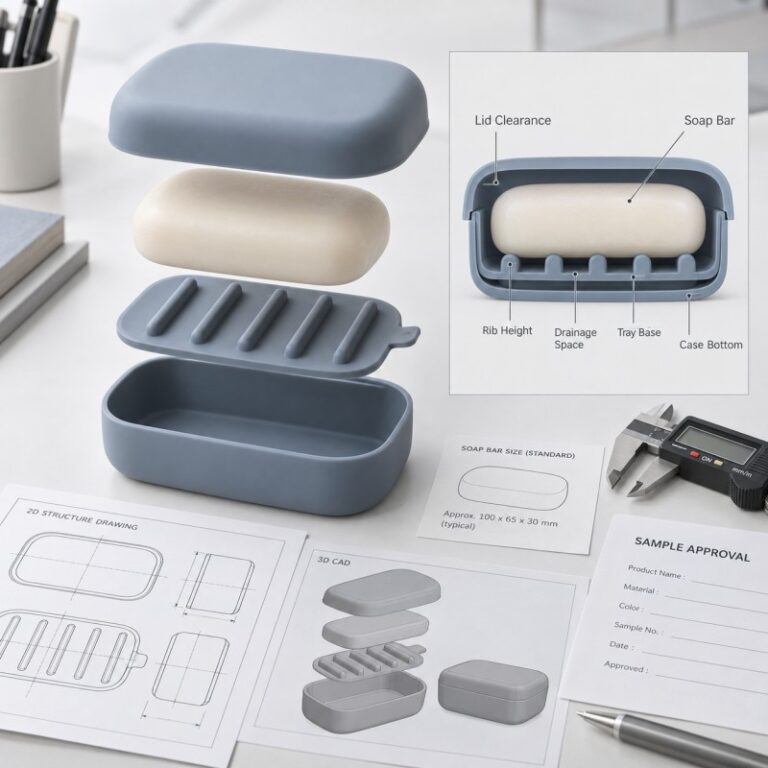
✅ Optimized Structure Design: Avoids thin sections or stress points; uses one-piece molding for integrity.
-
✅ Batch Testing: Every lot tested for tensile, tear, and compression recovery.
-
✅ Third-Party Certifications: ASTM, FDA, CPSIA, EN71 test reports available upon request.
These measures allow LYA Silicone to deliver products that perform reliably under daily stress — and meet global compliance for the U.S., EU, and Asia-Pacific markets.
🧼 5. Maintenance Tips — Extending Product Life
-
Proper Sterilization: Most food-grade silicones can be boiled or dishwashed (upper rack) within temperature/time limits.
-
Avoid Sharp Objects: Silicone is elastic, but pointed tools can puncture it.
-
Avoid Prolonged Contact with Strong Chemicals: Bleach or solvents may damage polymer chains.
-
Inspect Regularly: Replace items showing cracks, peeling, or deformation.
-
Teething Relief Tip: Short-term freezing is safe, but avoid long-term deep freezing to prevent hardening.
🌍 Why Choose LYA Silicone
-
20+ years of professional silicone molding & LSR injection experience
-
Certified food-grade & medical-grade silicone materials
-
Full OEM/ODM support — color matching, mold design, private label
-
Factory-direct pricing with strict ISO 9001 quality control
-
Global service covering baby, medical, and pet silicone products
❓ 7. Frequently Asked Questions (FAQ)
Q1: Will the silicone crack or peel after years of chewing?
A: No. Premium, fully-cured food-grade silicone has high elasticity and fatigue resistance. It will not delaminate like low-quality plastics. Always check tensile/tear test data or third-party certificates for proof.
Q2: What if the product gets damaged — can I return it?
A: If a material or manufacturing defect is confirmed under normal use, LYA Silicone provides replacement or refund support. Physical or intentional damage (cuts, punctures) is not covered.
Q3: Can silicone teethers or toys be frozen?
A: Yes. Short-term freezing for teething relief is safe. However, prolonged deep freezing may cause temporary hardening — follow product guidelines.
Q4: How can I tell if a product is low-quality?
A: Poor-quality silicone often smells, feels sticky, or shows uneven color and surface separation. Always choose products marked “food-grade, BPA-free, third-party tested.”
Q5: Can you provide material and testing reports for OEM buyers?
A: Absolutely. For bulk or OEM/ODM projects, LYA provides COA, ASTM / EN71 / FDA test reports, and mechanical property data upon request. Please contact our sales team with your compliance requirements.
📩 Contact Us
Ready to build durable, safe, and custom silicone products for your brand?
-
📧 Email: sale11@lyasilicone.com
-
📞 Phone: +86-13420974883
-
🌐 Website: www.lyasilicone.com