 English
  French
  German
  Spanish
  Polish
  Chinese
  Japanese
  Korean
  Russian
 Contents
Silicone products are widely recognized for their excellent performance across a range of industries — from baby care and household tools to industrial seals and medical components. However, a common question many engineers, product designers, and procurement professionals ask is:
👉 “Are silicone products prone to staining or mold growth?”
This concern is especially important when selecting materials for long-term use, product hygiene, regulatory compliance, and customer satisfaction.
1. Understanding the Nature of Silicone Materials
Silicone rubber, including liquid silicone rubber (LSR) and high-consistency silicone (HTV), is a synthetic polymer composed of silicon–oxygen chains. Its unique molecular structure gives silicone materials high thermal stability, low chemical reactivity, and resistance to many environmental factors.
These intrinsic properties are why silicone:
-
Maintains performance across wide temperature ranges
-
Repels water and forms effective seals
-
Is not a nutrient source for microorganisms
-
Offers excellent biocompatibility for medical and food-contact applications
2. Why Silicone Products Can Appear Stained or Moldy
Despite silicone’s inert nature, in real-world usage certain factors can lead to surface staining or what appears like mold growth. These conditions are usually not due to silicone degrading, but rather:
A. Surface Microtexturing and Micropores
Silicone products produced through molding processes can have microscopic surface irregularities, which may trap dirt, oil, or organic residue over time. These residues can facilitate surface discoloration or microbial proliferation if not cleaned regularly.
B. Environmental Conditions
Warm and humid environments — especially without airflow — provide ideal conditions for mold spores present in the air to settle and grow on residues trapped on the surface.
It’s important to note that the silicone material itself is not consumed by mold and does not support mold growth as a food source.
C. Contamination During Use
In food-contact products, cosmetics, or industrial applications, contaminants like oils, pigments, and organic matter can adhere to the surface and create a breeding ground for microbes — but this is a surface contamination issue, not silicone breakdown.
3. Scientific Perspective: Silicone and Microbial Resistance
From a material science standpoint:
✔ Silicone has low chemical reactivity, so it doesn’t degrade easily under environmental exposure.
✔ Silicone repels water, reducing moisture retention compared to many polymers.
✔ Silicone does not provide nutrients that mold or bacteria need to thrive.
✔ Silicone also exhibits excellent resistance to UV light and ozone, which further limits microbial colonization in outdoor and industrial environments.
4. Practical Tips for Preventing Stains and Mold on Silicone
To keep silicone products clean and mold-free over time:
✅ Regular Cleaning: Silicone surfaces should be cleaned with mild detergents and thoroughly dried after use.
✅ Good Ventilation: Avoid prolonged storage in cool, damp, and poorly ventilated areas.
✅ Surface Coatings or Treatments: For critical applications (medical, food), consider antimicrobial surface treatments or grades of silicone designed for lower surface energy.
✅ Design Considerations: In OEM manufacturing, optimizing surface finish and minimizing texture can reduce residue trapping.
5. Choosing the Right Manufacturer Matters
When sourcing silicone components, working with an experienced OEM partner like LYA Silicone ensures:
🔹 Food-grade & medical-grade compliant materials (e.g., FDA, LFGB, SGS, ROHS) that resist staining and maintain surface integrity.
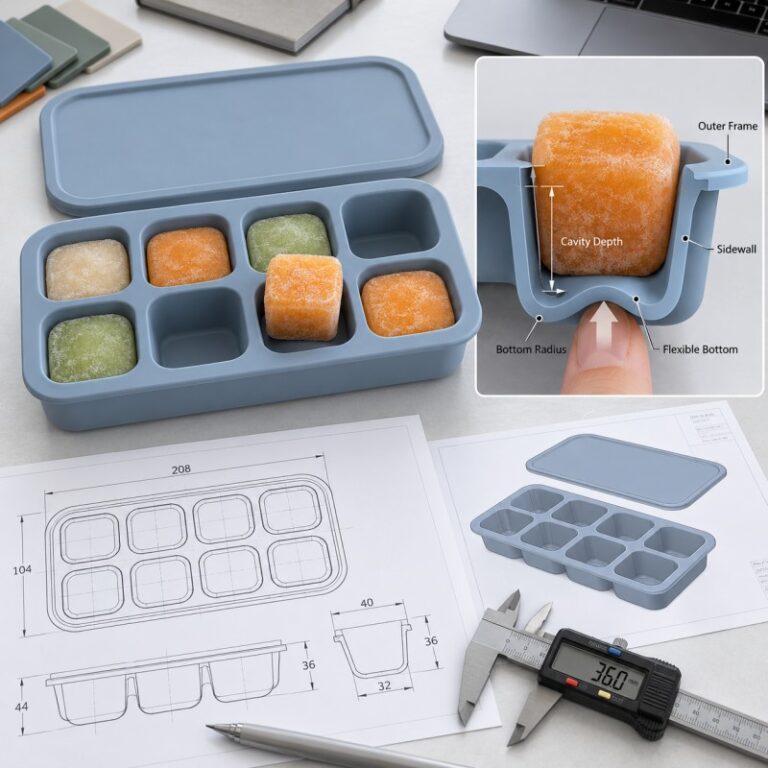
🔹 Advanced molding technologies including liquid silicone injection molding, compression molding, and overmolding.
🔹 Customized solutions tailored for specific environments — from baby products and kitchenware to industrial seals and medical components.
🔹 Quality management systems that control raw materials, process conditions, and final inspections for every production lot.
Recommended Silicone Products & OEM Solutions from LYA Silicone
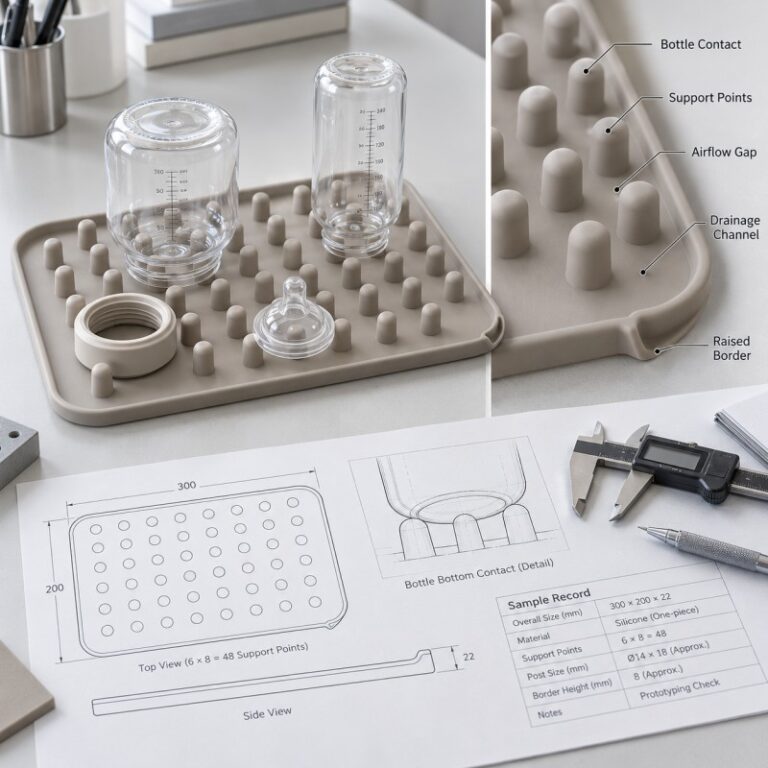
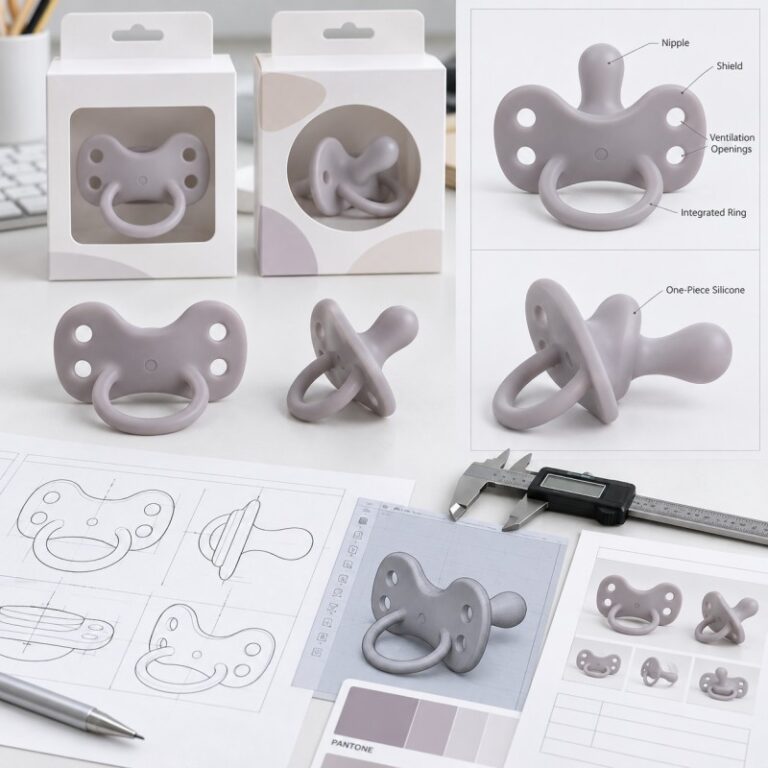
1. Silicone Baby Products: Designed for Safety & Hygiene
Baby products require the highest standards of material safety and cleanliness. LYA Silicone manufactures a wide range of food-grade and baby-safe silicone products using carefully selected raw materials and controlled molding processes.
Our silicone baby product capabilities include:
-
Silicone feeding accessories (teethers, training items, soft-touch components)
-
Silicone baby care accessories
Why silicone baby products resist stains and mold when properly made:
✔ Made from 100% food-grade silicone, free from BPA, PVC, and phthalates
✔ Non-porous molecular structure that does not absorb liquids
✔ Smooth surface finishes that reduce residue adhesion
✔ High-temperature resistance, allowing boiling or steam sterilization

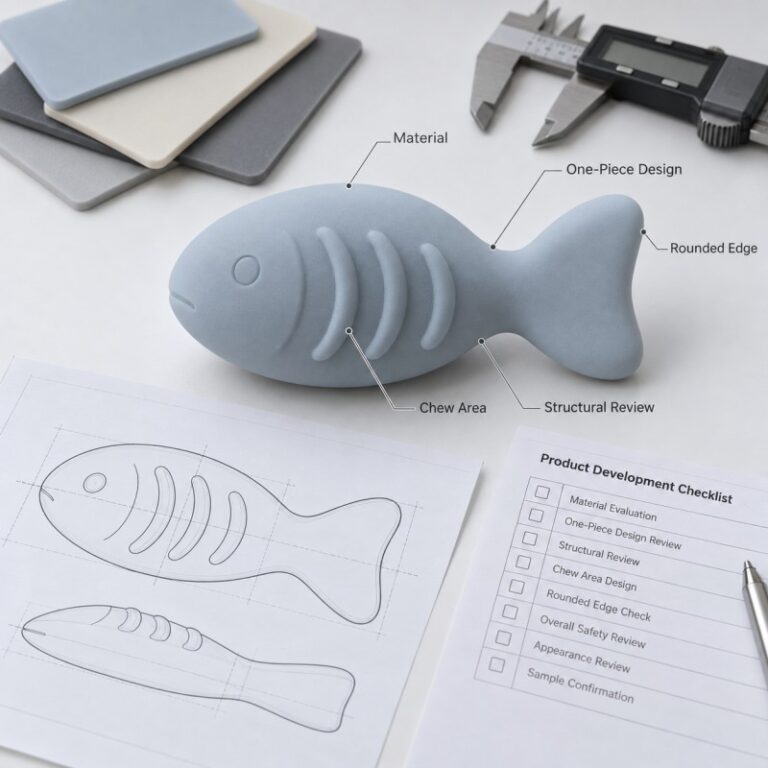
2. Silicone Pet Products: Durable, Safe & Easy to Clean
Pet products are frequently exposed to saliva, food residue, moisture, and outdoor environments, making material choice critical for preventing odor, staining, and mold-like buildup.
LYA Silicone produces a wide range of custom silicone pet products, including:
-
Silicone pet feeding accessories
-
Flexible silicone components for pet care items
Why silicone performs better for pet products:
✔ Naturally resistant to moisture and oils
✔ Does not crack or degrade like plastic or rubber
✔ Easy to clean with warm water or mild detergents
✔ Withstands repeated chewing, washing, and environmental exposure

FAQ: Silicone Stains, Mold & Material Performance
Q1: Does silicone naturally grow mold?
A: No — silicone doesn’t serve as a food source for mold. What you see is usually mold growing on trapped organic residue on the surface, not on the silicone itself.
Q2: Can staining be prevented?
A: Yes — good cleaning practices and proper storage environment minimize surface staining and microbial growth.
Q3: Are certain silicone grades more resistant to staining?
A: High-quality silicone with smooth finishes and FDA/LFGB compliance generally performs better in hygiene-sensitive applications.
Q4: Does surface texture affect mold adhesion?
A: Yes — smoother surfaces trap less residue, making it harder for any contaminants to adhere and remain. Proper molding and finishing during manufacturing help achieve this.
Contact Information
LYA Silicone – Your Trusted Silicone OEM Partner
-
 Email: sale11@lyasilicone.com
 -
 Phone: +86-13420974883
 -
 Website: www.lyasilicone.com
Looking for a reliable silicone manufacturer? Explore stain-resistant silicone products from LYA Silicone.