 English
  French
  German
  Spanish
  Polish
  Chinese
  Japanese
  Korean
  Russian
 Contents
A Scientific Analysis and Safety Guide
As the global pet products market continues to grow rapidly, both pet owners and pet product brands are paying increasing attention to product safety and long-term durability. This concern is especially critical for chewing-related products such as silicone pet toys, teething toys, and slow feeder bowls.
One of the most frequently asked questions is:
“Will long-term chewing cause silicone pet toys to wear down and release tiny particles that pets may swallow?”
🧪 1. What Is Food-Grade Silicone and Why Is It Safer?
High-quality silicone used in pet toys is typically produced using food-grade or medical-grade Liquid Silicone Rubber (LSR). These materials offer several key advantages:
-
Chemical Inertness
High-purity silicone has a stable molecular structure and contains no plasticizers, BPA, phthalates, or other harmful additives. It does not release toxic substances during chewing. -
Wide Temperature Resistance
Premium silicone maintains stable performance from -40°C to 230°C, making it highly resistant to aging, cracking, or degradation. - Non-Porous Structure
Silicone is inherently non-porous, with extremely low liquid absorption, which helps prevent bacteria growth, odor retention, and stain buildup.
🦷 2. Does Chewing Cause Silicone to Produce Micro-Particles?
The answer depends on material quality and usage conditions.
✔ High-quality food-grade silicone does NOT generate harmful micro-particles under normal use
Because of the molecular structure and elasticity of food-grade LSR:
-
Silicone does not fracture into sharp fragments like plastic
-
It has excellent elasticity and quickly returns to its original shape after bite pressure
- Minor surface marks or bite impressions do not result in hard, detachable particles
🐶 3. When Can Surface Wear Occur?
No material is completely immune to wear under extreme chewing behavior, particularly in the following situations:
-
Pets with exceptionally strong bite force (certain power-chewer dog breeds)
-
Products designed with overly thin walls or sharp edges
-
Use of low-grade silicone or insufficient curing during manufacturing
In such cases, very minor surface deformation may occur, similar to the fine residue seen when an eraser is used repeatedly. These particles are typically:
✅ Extremely small and non-sharp
✅ Made of inert silicone material with no toxic chemicals
✅ Unlikely to accumulate or cause toxic reactions if accidentally ingested
🧠 4. How to Control Particle Risk and Improve Durability from the Source
🔹 Use High-Quality Raw Materials
At LYA Silicone, we use high-purity food-grade or medical-grade silicone materials that are:
✔ Free from BPA, PVC, and phthalates
✔ Tested to FDA, LFGB, REACH, and RoHS standards
✔ Designed for high tear strength and excellent elastic recovery
🔹 Select the Right Silicone Hardness (Shore A)
Different chewing intensities require different silicone hardness levels:
-
Light chewers: Soft to medium silicone
-
Moderate chewers: Medium hardness silicone
- Aggressive chewers: Higher hardness silicone
🔹 Precision Design and Mold Control
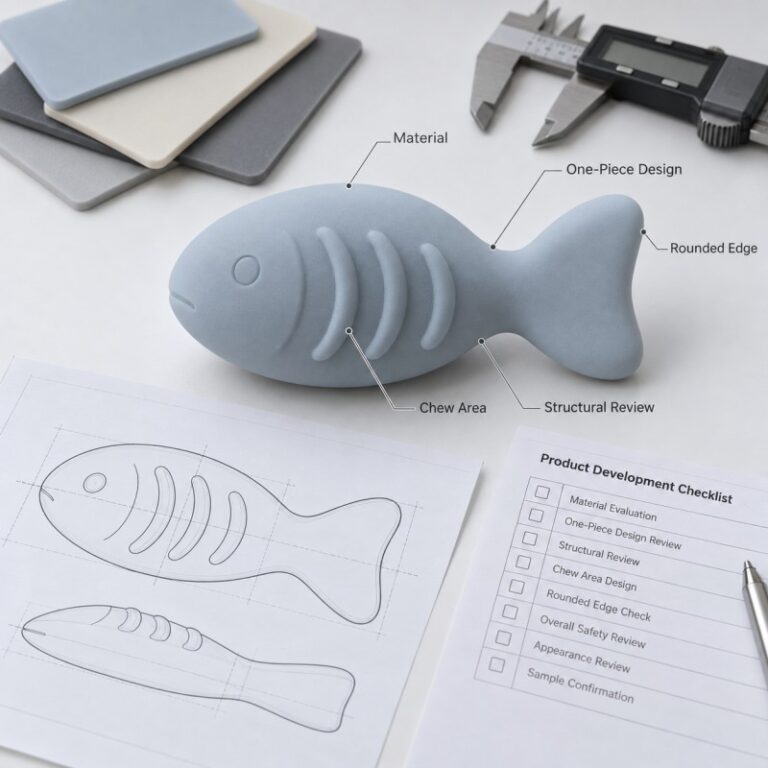
Thicker chewing walls, optimized geometry, and rounded, edge-free designs help distribute bite stress more evenly. Combined with precise mold design and controlled curing, this greatly reduces long-term wear and extends product lifespan.
📈 5. Why Pet Brands Choose LYA Silicone as Their OEM / ODM Partner
LYA Silicone is a professional silicone manufacturer with over 20 years of industry experience, meeting international quality standards while offering comprehensive services:
✔ OEM / ODM customization (color, logo, packaging, mold development)
✔ Rapid sampling and prototyping (samples ready in 3–5 days)
✔ Export experience across more than 30 countries
✔ Full-process quality control and international certification support


🔹 Recommended Silicone Pet Products by LYA Silicone
Designed for Long-Term Chewing Safety & Durability
🦴 Silicone Pet Chew Toys
(Food-Grade & Medical-Grade Options Available)
Ideal for:
Dog chew toys, teething toys, interactive training toys
Key Features:
✔ Manufactured from FDA / LFGB compliant food-grade silicone
✔ High tear resistance with excellent elastic recovery
✔ Optimized Shore A hardness for different chewing intensities
✔ Free from BPA, PVC, phthalates, and toxic fillers
✔ Rounded, stress-dispersing designs to reduce surface abrasion

🍽️ Silicone Slow Feeder Bowls & Lick Mats
Ideal for:
Slow feeding, anxiety relief, digestion support, enrichment activities
Key Features:
✔ Non-porous silicone surface that resists bacteria buildup
✔ Thickened structure designed for long-term bite resistance
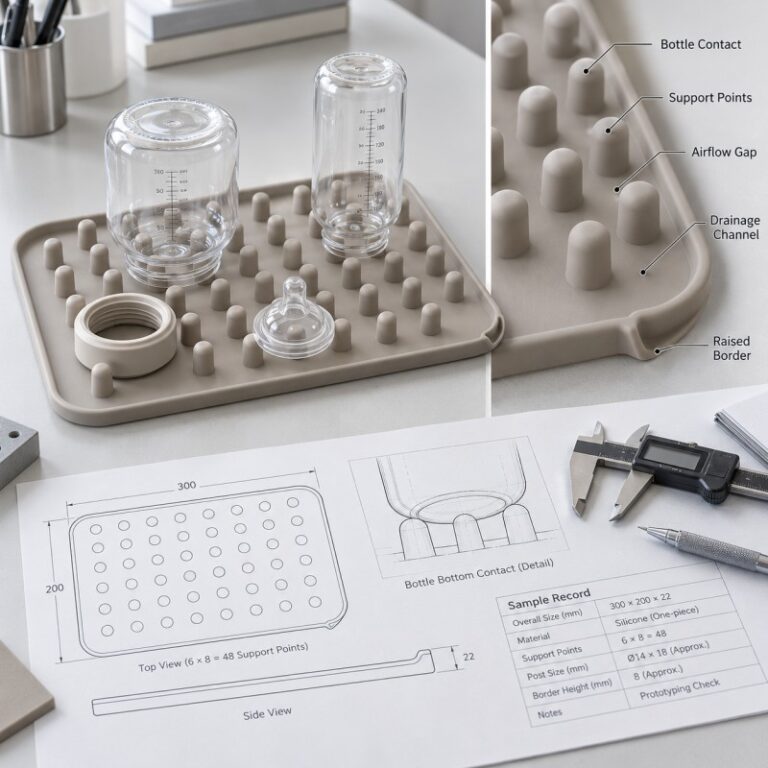
✔ Strong suction base produced through integrated overmolding processes
✔ Dishwasher-safe and heat-resistant from -40°C to 230°C

❓ Frequently Asked Questions (FAQ)
Q1. Do silicone pet products really not release harmful micro-particles after long-term chewing?
A: Yes. High-purity silicone that complies with international food and toy safety standards does not release harmful particles. Any minimal surface wear consists of inert silicone material and contains no toxic substances.
Q2. How can wear and tear be minimized in silicone pet chew toys?
A: By selecting the correct Shore A hardness, optimizing product structure, and strictly controlling material quality and mold precision during manufacturing.
Q3. Why are low-quality plastic or rubber toys not recommended?
A: Inferior materials are more likely to crack, break into sharp fragments, or harbor bacteria. High-quality silicone is non-porous, heat-resistant, easy to clean, and better suited for long-term pet use.
Q4. Does LYA Silicone support small-batch orders?
A: Yes. We offer flexible production volumes, from small pilot runs to large-scale manufacturing, along with full customization and packaging support.