 English
  French
  German
  Spanish
  Polish
  Chinese
  Japanese
  Korean
  Russian
 Contents
A Scientific, Manufacturing-Focused Insight for Global B2B Buyers
As silicone baby products are distributed and used worldwide, many B2B buyers, brand owners, and importers frequently ask an important question:
Do silicone baby products behave differently in hot & humid climates compared to cold environments?
The short answer is yes—but high-quality medical- and food-grade silicone is specifically engineered to remain stable across extreme climate conditions. In this article, we explore the science behind silicone performance, climate-related considerations, and how professional manufacturers like LYA Silicone ensure consistent quality for global markets.
Understanding Silicone Material Science
Silicone used in baby products is fundamentally different from plastics or traditional rubber. High-grade silicone is based on a cross-linked polysiloxane molecular structure, which provides:
- Exceptional thermal stability
- Long-term elasticity
- Low compression set
- Chemical and hydrolysis resistance
Performance in Hot & Humid Climates
Hot and humid environments—common in Southeast Asia, the Middle East, South America, and parts of Africa—pose several challenges to baby products:
Key Risks in Humid Conditions
- Moisture absorption
- Bacterial growth
- Material degradation
- Odor retention
How Silicone Performs
High-quality food-grade and medical-grade silicone is:
- Hydrophobic by nature – silicone does not absorb moisture
- Chemically inert – resistant to sweat, saliva, milk, and cleaning agents
- Naturally mold-resistant when properly cured and finished
Scientific studies show that silicone has extremely low water vapor permeability compared to rubber and many plastics. This means:
- No swelling or softening in humid environments
- No structural weakening due to moisture
- Stable mechanical performance over time
At LYA Silicone, our baby products undergo:
- High-temperature post-curing to remove volatile residues
- Surface optimization to reduce microbial adhesion
- Optional antibacterial silicone formulations upon request
Performance in Cold Climates
Cold climates—such as North America, Northern Europe, and parts of Central Asia—introduce a different set of challenges:
Common Issues in Cold Environments
- Material hardening
- Brittleness
- Loss of elasticity
- Cracking under stress
Silicone Advantage in Low Temperatures
Silicone elastomers retain flexibility even at sub-zero temperatures due to their low glass transition temperature .
- Silicone Tg: approximately -120°C (-184°F)
- Most plastics Tg: between -10°C to +50°C
This means silicone baby products:
- Remain soft and flexible in winter conditions
- Do not crack when dropped
- Maintain safe chewing softness for teething babies
LYA Silicone conducts:
- Low-temperature flexibility testing
- Compression recovery tests after cold storage
- Repeated freeze–thaw cycle evaluations
Does Climate Affect Safety or Compliance?
When manufactured correctly, climate does not compromise the safety of silicone baby products.
Our materials comply with:
- FDA (21 CFR 177.2600)
- LFGB
- EN 14350
- BPA-free, PVC-free, Phthalate-free standards
Manufacturing Quality Matters More Than Climate
While silicone as a material is climate-stable, manufacturing quality determines real-world performance.
We focus on:
- Precision mold design for consistent wall thickness
- Controlled curing and post-curing processes
- In-house tooling and engineering support
- Full material traceability
- Batch-level quality inspections
Our silicone baby product range includes:
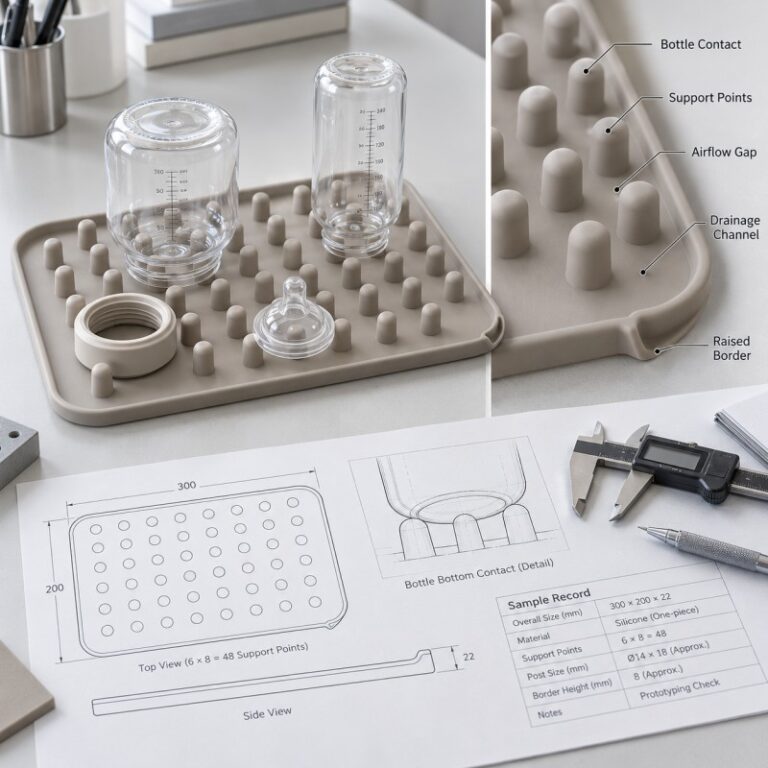
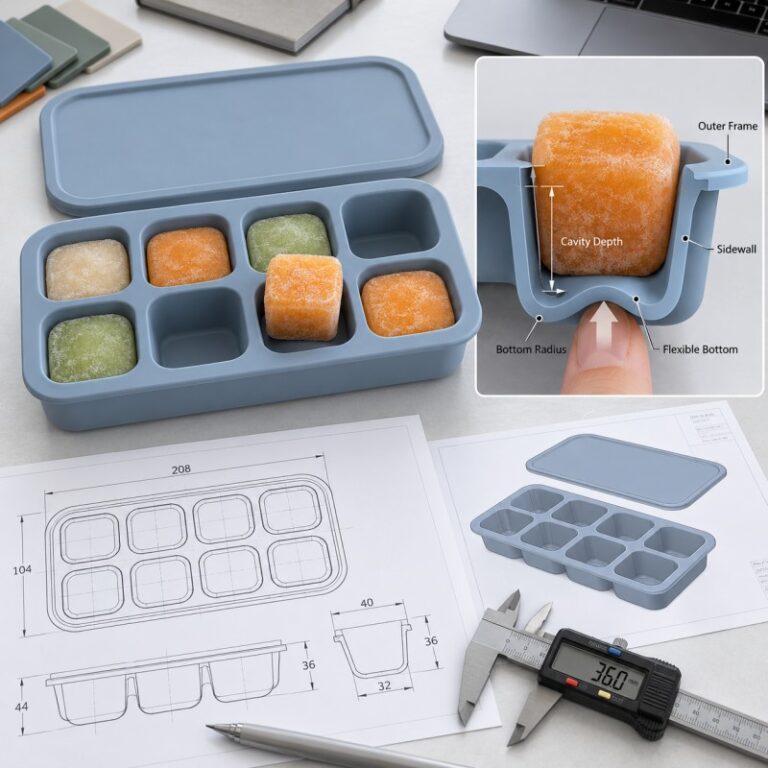
- Silicone baby feeding sets
- Silicone Baby spoons and forks
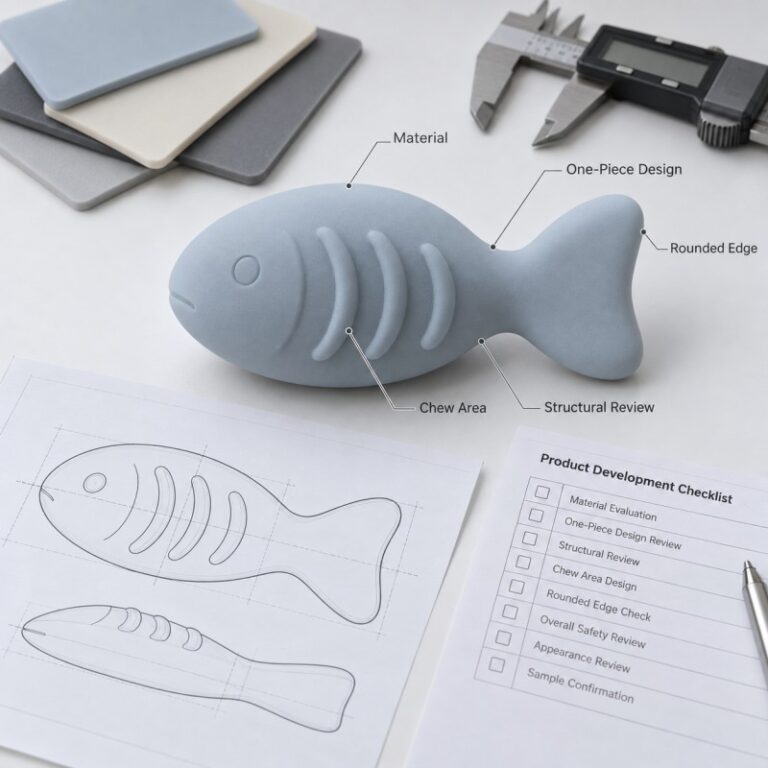
- Silicone teethers
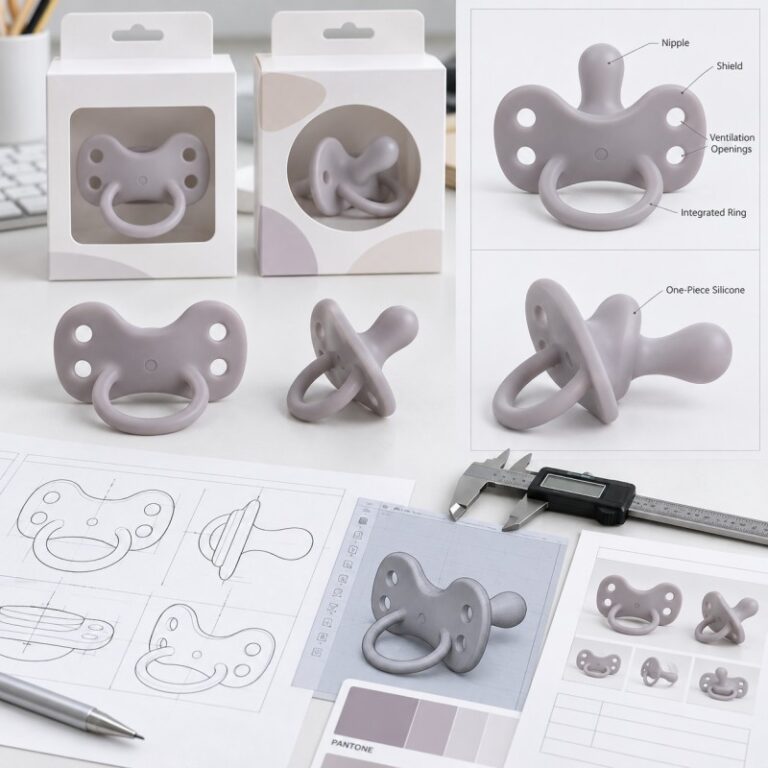
- Pacifiers and baby training products


Why Global B2B Buyers Choose LYA Silicone
International buyers searching for a reliable silicone baby product manufacturer often prioritize:
- Climate adaptability
- Long-term durability
- Regulatory compliance
- Stable supply capability
LYA Silicone supports B2B partners with:
- OEM & ODM customization
- Material selection guidance based on target markets
- Climate-specific testing support
- Export-ready documentation


Frequently Asked Questions (FAQ)
Q1: Will silicone baby products become sticky in hot climates?
No. High-quality silicone does not become sticky under heat. Stickiness usually indicates poor curing or low-grade material, which we eliminate through controlled production and post-curing.
Q2: Can silicone crack or harden in freezing temperatures?
No. Silicone remains flexible at extremely low temperatures due to its low glass transition temperature.
Q3: Does humidity affect silicone product lifespan?
Humidity has minimal impact on silicone. Silicone does not absorb water or degrade through hydrolysis under normal use conditions.
Q4: Are special silicone formulas needed for tropical markets?
In most cases, standard food-grade silicone is sufficient. However, antibacterial or enhanced surface treatments can be customized upon request.
Q5: Can LYA Silicone support climate-specific product testing?
Yes. We assist B2B clients with material selection, testing recommendations, and documentation based on their target markets.
Conclusion
Silicone baby products, when manufactured to high standards, deliver consistent performance across hot, humid, and cold climates. The key difference lies not in the environment, but in the material grade, processing technology, and manufacturing expertise behind the product.
If you are sourcing climate-resilient, compliant, and high-quality silicone baby products, LYA Silicone is your trusted manufacturing partner.
-
 Email: sale11@lyasilicone.com
 -
 Phone: +86-13420974883
 -
 Website: www.lyasilicone.com