 English
  French
  German
  Spanish
  Polish
  Chinese
  Japanese
  Korean
  Russian
 Contents
Introduction: Understanding the Safety of Silicone Pet Bowls
In recent years, silicone pet bowls have surged in popularity among pet owners seeking durable, flexible, and stylish feeding solutions. However, concerns about toxicity and safety have also grown, prompting a thorough examination of whether silicone is a safe material for your beloved pets. This comprehensive guide delves into the composition of silicone, potential health risks, and alternative feeding options that prioritize your pet’s well-being.
What Is Silicone and Why Is It Used in Pet Bowls?
Silicone is a synthetic, highly durable, heat-resistant polymer derived from silicon, oxygen, carbon, and hydrogen. Its flexibility, non-stick properties, and resistance to extreme temperatures make it an ideal material for various household items, including pet bowls.
Benefits of silicone pet bowls include:
- Flexibility and lightweight design
- Ease of cleaning and dishwasher safety
- Resistance to cracking, chipping, or breaking
- Non-absorbent surface that resists odors
Are Silicone Pet Bowls Toxic? An In-Depth Analysis
Chemical Composition and Regulatory Standards
Silicone used in pet products is typically food-grade, complying with FDA (Food and Drug Administration) and FDA-equivalent standards worldwide. These standards ensure that silicone does not release harmful chemicals into food or water under normal use.
Key points:
- Food-grade silicone is free from BPA, lead, phthalates, and other toxic additives.
- It is inert, meaning it does not react with food or liquids.
- When manufactured properly, silicone is considered safe for pet consumption.
Potential Risks and Concerns
Despite the safety assurances, some pet owners and experts raise concerns about:
- Degradation over time: Exposure to extreme temperatures, UV light, or abrasion can cause microcracks or degradation, potentially leading to chemical leaching.
- Low-quality silicone products: Poor manufacturing processes can result in non-food-grade silicone containing toxic additives or impurities.
- Heat exposure: While silicone withstands high temperatures, melting or deformation at excessive heat can release substances.
Scientific Evidence and Expert Opinions
Current scientific studies lack definitive evidence linking silicone pet bowls to toxicity when used as intended. Regulatory bodies approve food-grade silicone for human and animal consumption. However, long-term studies are limited, emphasizing the importance of quality and proper maintenance.
Signs of Silicone Degradation and When to Replace
Pet owners should be vigilant for signs of wear, including:
- Cracks or tears in the silicone
- Discoloration or cloudiness
- Unusual odors emanating from the bowl
- Brittleness or deformation
Best Practices for Using Silicone Pet Bowls Safely
- Choose reputable brands that certify their products as food-grade.
- Avoid exposing silicone bowls to extreme heat beyond manufacturer recommendations.
- Wash thoroughly after each use with hot, soapy water or place in a dishwasher.
- Replace if damage or deterioration occurs.
- Limit exposure to UV light and harsh cleaning chemicals.
What Are the Top Alternatives to Silicone Pet Bowls?
While silicone offers many benefits, some pet owners prefer alternative materials for peace of mind or specific needs.
1. Stainless Steel Pet Bowls
Advantages:
- Durability: Resistant to corrosion, rust, and denting.
- Hygienic: Non-porous surface prevents bacterial growth.
- Safe: Free from toxins like BPA or phthalates.
- Easy to clean: Dishwasher safe.
Disadvantages:
- Can be noisy when pets eat or drink.
- Slightly heavier, which might be a concern for some pets.
3. Glass Pet Bowls
Advantages:
- Non-porous and easy to clean.
- Chemical-free and non-toxic.
- Elegant and durable.
Disadvantages:
- Breakable and heavier.
- Potential sharp shards if broken.
4. Bamboo or Wooden Pet Bowls
Advantages:
- Eco-friendly and biodegradable.
- Unique aesthetic appeal.
Disadvantages:
- Porous, requiring regular cleaning.
- Can absorb odors or stains.
- Less resistant to water damage.
Comparative Table of Pet Bowl Materials
| Material | Safety | Durability | Ease of Cleaning | Environmental Impact | Price Range |
|---|---|---|---|---|---|
| Silicone | High (if food-grade) | Moderate | Easy | Moderate | $10 – $30 |
| Stainless Steel | Very High | Very High | Very Easy | Low | $15 – $50 |
| Ceramic/Porcelain | High (if glazed properly) | Moderate | Easy | Moderate | $20 – $60 |
| Glass | High | High | Very Easy | Low | $20 – $70 |
| Bamboo/Wood | Moderate | Low to Moderate | Moderate | High (biodegradable) | $15 – $40 |
Expert Recommendations for Pet Owners
- Prioritize food-grade materials like stainless steel and ceramic.
- Avoid cheap, non-certified silicone products.
- Regularly inspect feeding bowls for wear and tear.
- Consider individual pet needs: size, behavior, and material sensitivities.
- For outdoor or travel use, stainless steel remains the best choice due to its robustness.
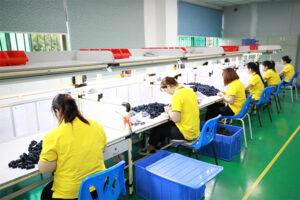
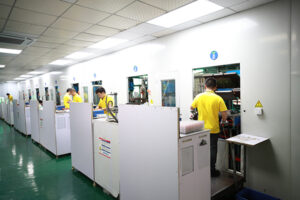
🌟 Why Choose LYA Silicone for Sensitive Pet Products?
-
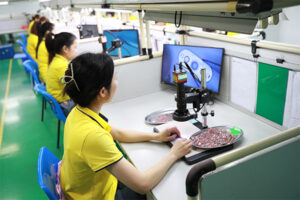
Pet & Safe: 100% BPA-free, hypoallergenic, toxin-free silicone.
-
Strict Standards: FDA, CE, ASTM, LFGB certified for global safety.
-
Advanced Technology: Precision LSR molding for durability and consistency.
-
Trusted Partner: Expertise in baby & pet silicone products, trusted by global brands.

Conclusion: Making the Best Choice for Your Pet’s Health
Silicone pet bowls, when sourced from reliable manufacturers and used appropriately, are generally safe and non-toxic. Their flexibility, ease of cleaning, and cost-effectiveness make them a popular choice. However, regular inspection and prompt replacement are critical to prevent microcracks and potential chemical exposure.
Alternatives such as stainless steel, ceramic, and glass offer additional peace of mind due to their long-term safety and robustness. Ultimately, selecting the right feeding bowl depends on your pet’s specific needs, lifestyle, and your confidence in product quality.
Investing in safe, durable, and high-quality feeding bowls ensures your pet’s health and happiness, providing peace of mind with every meal.
-
 Email: sale11@lyasilicone.com
 -
 Phone: +86-13420974883
 -
 Website: www.lyasilicone.com
❓ FAQ – Silicone Pet Bowls
Q1: Are silicone pet bowls safe for pets?
A1: Yes. Food-grade silicone used in pet bowls is FDA-approved, BPA-free, lead-free, and phthalate-free. It is inert, meaning it does not react with food or water, making it safe for pets when manufactured properly.
Q2: Can silicone pet bowls be toxic?
A2: High-quality, food-grade silicone is non-toxic. However, low-quality or uncertified silicone products may contain harmful additives. Always choose reputable brands with safety certifications.
Q3: How durable are silicone pet bowls?
A3: Silicone bowls are moderately durable. They resist cracking and breaking, but over time, extreme heat, UV light, or abrasion can cause microcracks and degradation. Regular inspection is recommended.
Q4: How should I clean and maintain a silicone pet bowl?
A4: Wash thoroughly with hot, soapy water after each use or place it in the dishwasher. Avoid harsh chemicals and extreme heat beyond manufacturer recommendations.
Q5: When should I replace a silicone pet bowl?
A5: Replace the bowl if you notice cracks, tears, discoloration, unusual odors, brittleness, or deformation. These signs indicate material degradation.
Q6: What are the best alternatives to silicone pet bowls?
A6: Alternatives include:
-
Stainless steel: Highly durable, safe, and hygienic.
-
Ceramic/porcelain: Attractive and safe if properly glazed, but fragile.
-
Glass: Non-toxic and easy to clean, though breakable.
-
Bamboo/wood: Eco-friendly, but less durable and more porous.
Q7: Which type of pet bowl is best for travel or outdoor use?
A7: Stainless steel bowls are the most reliable for outdoor or travel use due to their durability and resistance to corrosion.
Q8: How can I ensure I’m buying a safe silicone pet bowl?
A8: Look for food-grade certifications (FDA or equivalent), buy from reputable brands, and avoid low-cost, uncertified products.