 English
  French
  German
  Spanish
  Polish
  Chinese
  Japanese
  Korean
  Russian
 Contents
Silicone pet toys are widely recognized for their flexibility, safety, and durability. However, many pet brands and distributors have encountered a common problem: some silicone pet toys crack, tear, or break far sooner than expected. For B2B buyers sourcing manufacturers, understanding why this happens is critical to choosing the right factory partner and ensuring long-term product quality.
At LYA Silicone, a professional silicone product manufacturer specializing in custom pet and baby products, we believe durability is not accidental—it is engineered. Below, we break down the scientific and manufacturing reasons behind premature silicone toy failure, and how professional-grade production eliminates these risks.
1. Low-Quality Silicone Raw Materials
One of the primary reasons silicone pet toys break easily is the use of low-grade or recycled silicone.
Scientific Explanation
High-quality food-grade or medical-grade silicone is composed of a stable polysiloxane backbone (Si–O–Si), which provides excellent elasticity, tear resistance, and thermal stability. Inferior materials often:
- Contain excessive fillers (calcium carbonate, silica powder)
- Use recycled silicone with degraded polymer chains
- Have inconsistent molecular weight distribution
2. Improper Hardness (Shore A) Selection
Silicone hardness plays a decisive role in durability, especially for pet chewing behavior.
Why It Matters
- Silicone that is too soft (low Shore A) may stretch excessively and tear
- Silicone that is too hard (high Shore A) may lose elasticity and crack under impact
From an engineering perspective, durability depends on achieving the correct balance between elastic modulus and tear resistance, tailored to the pet’s bite force.
Professional Manufacturing Approach
LYA Silicone customizes Shore A hardness based on:
- Pet size and chewing intensity
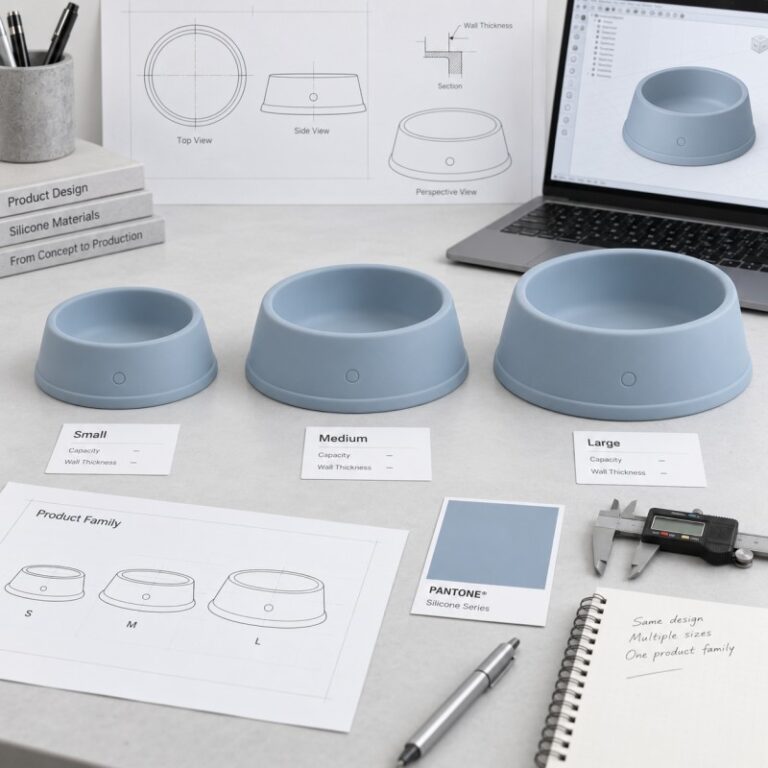
- Product geometry and wall thickness
- Intended use (teething, chewing, interactive toys)
3. Poor Mold Design and Wall Thickness Control
Even with good materials, bad mold design can lead to weak points.
Engineering Factors
- Uneven wall thickness creates stress concentration zones
- Sharp internal corners increase crack initiation risk
- Inadequate venting leads to air traps and micro-voids
Our Solution
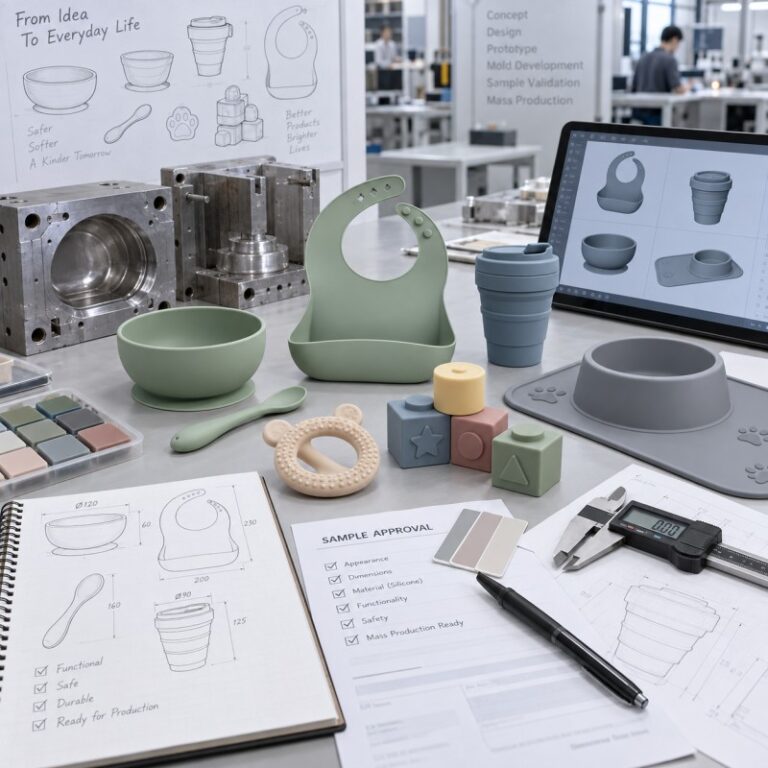
LYA Silicone integrates DFM (Design for Manufacturability) and finite stress analysis concepts during mold development. This ensures:
- Uniform wall thickness
- Smooth stress transitions
- Optimized structural reinforcement in high-load areas
4. Incorrect Curing and Vulcanization Process
Silicone strength is heavily dependent on proper curing parameters.
Scientific Insight
Incomplete or uneven vulcanization results in:
- Lower cross-link density
- Reduced tensile strength
- Poor elastic recovery
LSR & Advanced Molding at LYA Silicone
As an experienced manufacturer, LYA Silicone utilizes:
- Precision-controlled LSR injection molding
- Optimized temperature and curing time profiles
- Post-curing processes when required
5. Lack of Quality Testing and Real-World Simulation
Many low-cost silicone pet toys fail because they are never tested under realistic conditions.
Critical Tests Often Skipped
- Tear resistance testing
- Tensile strength and elongation tests
- Repeated bite and fatigue simulation
- Aging and thermal cycling tests
Our Quality Control System
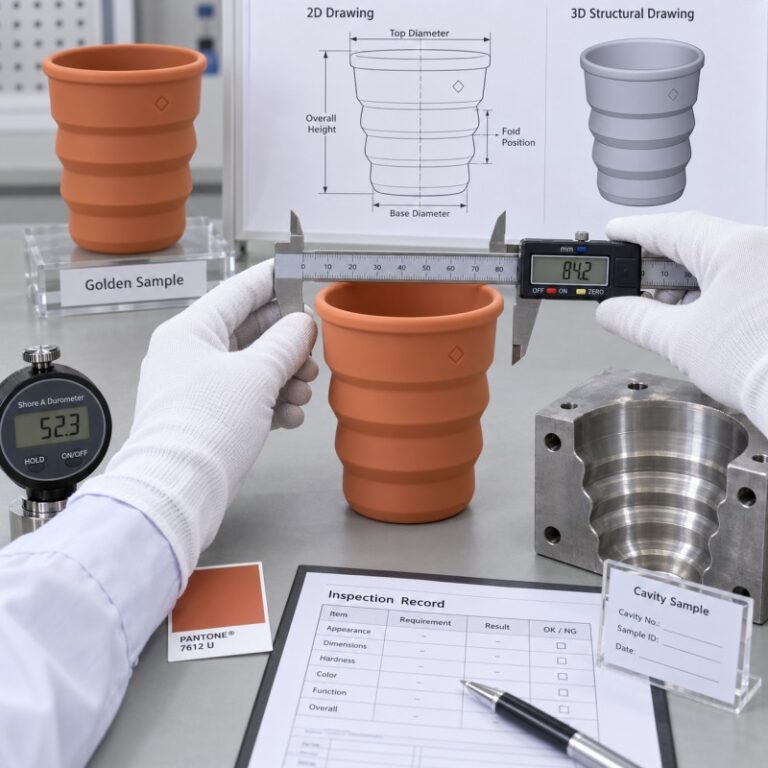
At LYA Silicone, every custom pet toy project undergoes:
- Incoming raw material inspection
- In-process quality monitoring
- Finished product mechanical testing
Why Global B2B Buyers Choose LYA Silicone
As a factory-direct silicone manufacturer, LYA Silicone supports international B2B clients with:
- Custom mold development (no stock products)
- OEM & ODM silicone pet toys
- Food-grade and medical-grade silicone options
- Stable mass production with consistent quality


Our silicone pet toy solutions are widely used in:
- Silicone Chew Toys and interactive toys
- Silicone dog brushes and feeders
- Flexible silicone tubes and soft components


Frequently Asked Questions (FAQ)
Q1: Are silicone pet toys really safer than rubber or plastic?
Yes. High-quality silicone is non-toxic, BPA-free, phthalate-free, and does not release harmful substances when chewed or heated.
Q2: Can silicone pet toys be made chew-proof?
No toy is completely chew-proof. However, proper material selection, optimized hardness, and reinforced structural design can significantly extend product lifespan.
Q3: Do you offer custom designs instead of ready-made toys?
Yes. LYA Silicone focuses exclusively on custom mold development. We do not offer off-the-shelf products.
Q4: What certifications can your silicone pet products meet?
Our products can comply with FDA, LFGB, RoHS, and REACH requirements, depending on project needs.
Q5: How can I start a custom silicone pet toy project?
Simply contact us through www.lyasilicone.com with your design concept or application requirements. Our engineering team will support you from design to mass production.
Contact Information
LYA Silicone – Your Trusted Silicone OEM Partner,
-
 Email: sale11@lyasilicone.com
 -
 Phone: +86-13420974883
 -
 Website: www.lyasilicone.com