 English
  French
  German
  Spanish
  Polish
  Chinese
  Japanese
  Korean
  Russian
 Contents
🐶 Introduction: Why Material Choice Matters for Dog Chew Toys
When sourcing chew toys for dogs, material selection is one of the most critical decisions — not only for dog safety and satisfaction, but also for brand reliability and customer trust. Dogs chew with varying intensity: from gentle teething puppies to powerful adult chewers. The material must balance non-toxicity, durability, mechanical performance, and ease of cleaning — attributes that directly affect product performance, compliance with US/EU standards, and your product’s acceptance in global markets.
At LYA Silicone, we specialize in silicone materials engineered for pet product performance. With over 20 years of liquid silicone rubber (LSR) manufacturing experience, we help brands design chew toy lines that are safe, durable, and easy to brand and customize.
🧪 Material Science: What Makes Silicone a Great Choice
Silicone is a cross-linked elastomer, meaning its polymer chains form a stable network with remarkable chemical and thermal stability. Unlike many plastics or rubbers, high-quality silicone exhibits:
-
Non-toxic, inert chemistry — Without BPA, PVC, phthalates, or other harmful additives.
-
Hygienic, non-porous surface — Inhibits bacterial colonization and odor buildup, making toys easier to clean and safer for pets.
-
Wide temperature tolerance — Silicone maintains flexibility and performance from extreme cold to high heat (approx. −40 °F to 446 °F / −40 °C to 230 °C).
-
Excellent elastic recovery — After being bent or compressed, silicone returns to shape, reducing permanent deformation under repeated chewing loads.
🔍 Durometer (Shore Hardness): Matching Silicone to Chewer Type
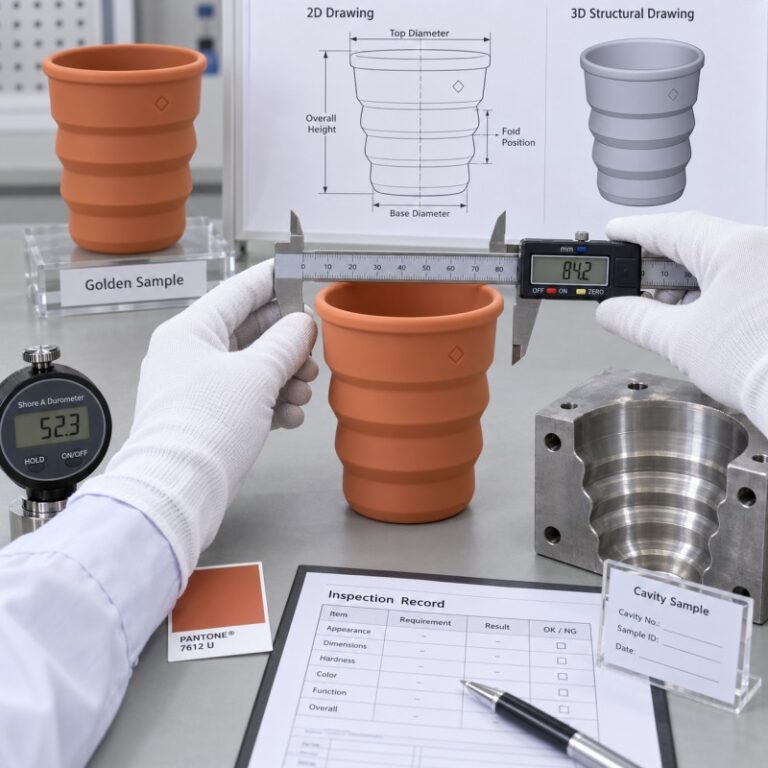
One of the most important technical parameters in silicone chew toy design is Shore hardness — a standardized measure of material firmness.
| Chewer Type | Typical Shore A Range | Performance Consideration |
|---|---|---|
| Puppies / Light chewers | 30A or lower | Soft and gentle on gums; ideal for teething toys |
| Moderate adult chewers | 40–60A | Balanced flexibility with resistance to puncture |
| Aggressive / powerful chewers | 60–90A+ | Firmer, more tear-resistant materials for robust bite forces |
🦴 Silicone vs. Other Toy Materials
Dog chew toys are commonly produced from several elastomeric materials, but silicone stands out for specific reasons:
🔹 Silicone
-
Pros: Food-grade safety, thermal resistance, hygienic surface, chemical inertness.
-
Cons: Higher cost than some synthetic rubbers; may require careful durometer selection for power chewers.
🔹 Thermoplastic Elastomers (TPE/TPR)
-
Pros: Wide hardness range and low cost.
-
Cons: Often less stable under heat and long-term use; some grades may absorb odors or stain.
🔹 Natural Rubber
-
Pros: Durable and tear-resistant for many chewers.
-
Cons: Potential allergen concerns and quality variability; less hygienic surface than silicone.
🔎 Recommended Silicone Pet Products from LYA Silicone for Durable Chew Toy Lines
When you’re sourcing materials and finished products for your pet chew toy line, it helps to see examples of real silicone product categories that align with durability, safety, and market appeal. At LYA Silicone, we offer a wide range of products that can either be finished retail items or OEM/ODM custom designs based on these proven styles and functions:
🦴 1. Silicone Dog Chew Toy – Durable Pet Chew Toys
A classic chew toy style ideal for adult dogs and moderate to aggressive chewers. These toys can be designed with textured surfaces to encourage interactive play, dental stimulation, and extended chew time — perfect for pet brands who want multi-functional chew products that also promote oral health.
✔ BPA-free, food-grade silicone (meets FDA / LFGB safety requirements)
✔ Textured design can help clean teeth and massage gums
✔ Ideal base platform for branded OEM versions for global markets

🐾 2. Teething & Chewable Silicone Toys – Puppy & Sensory Toy Base
Perfect for puppies and light chewers, these products use softer silicone durometers and engaging shapes to soothe gums during teething phases. While focused on puppies, they also appeal to markets emphasizing gentle, sensory play.
✔ Soft but resilient silicone — excellent for teething stages
✔ Great option for mixed product lines (puppy + adult tiers)
✔ Fully customizable with color & branding
🏭 Why Partner with LYA Silicone for Your Chew Toy Line
At LYA , we provide one-stop OEM/ODM services tailored to pet brands:
✔ Food-Grade, BPA-Free LSR Materials — Compliant with FDA, REACH, and LFGB standards.
✔ Custom Durometer Formulation — From soft teething ranges to firmer chew-resistant options.
✔ Full Customization — Colors, logos, packaging, and advanced textures for sensory engagement.
✔ Fast Sampling & Mold Development — Prototypes in as little as 3–5 days.
✔ Global Export Experience — Supplying brands in the US, EU, Asia, and beyond.


🧠 FAQ — Frequently Asked Questions
Q1: Is food-grade silicone safe for aggressive chewers?
A: Yes — food-grade silicone itself is chemically safe, but its chew resistance depends on Shore hardness and design. For aggressive chewers, firmer formulations (60–90A) and thicker geometries are recommended.
Q2: How does silicone compare to natural rubber in chew toy applications?
A: Silicone offers better hygienic properties, heat resistance, and inertness, though natural rubber can sometimes provide superior tear strength in certain designs. Material choice should align with target chewer behavior.
Q3: Why choose silicone over cheaper TPE/TPR materials?
A: While TPE/TPR can be cost-effective, silicone stands out for non-toxic clarity, temperature tolerance, and ease of sterilization, which are critical for long-term pet products.
Q4: Can silicone chew toys be cleaned in a dishwasher?
A: Absolutely. Silicone’s thermal stability and non-porous surface make it ideal for dishwasher or boiling sanitation.
Q5: What certifications should I insist on?
A: Look for FDA 21 CFR 177.2600, EU LFGB/EN71, and ISO quality system compliance to ensure safety and export readiness.
Contact Information
LYA Silicone – Your Trusted Silicone OEM Partner,
-
 Email: sale11@lyasilicone.com
 -
 Phone: +86-13420974883
 -
 Website: www.lyasilicone.com