 English
  French
  German
  Spanish
  Polish
  Chinese
  Japanese
  Korean
  Russian
 Contents
Short answer:
Yes — well-designed silicone slow feeder bowls have been scientifically shown to help pets eat more slowly, reducing choking, bloating, and digestive issues associated with fast eating.
Let’s explore how they work, the science behind them, and why silicone is the ideal material for your pet’s mealtime.
Why Do Pets Eat Too Fast?
Many dogs — and even some cats — tend to gulp their food due to competition, stress, habit, or natural instinct. Rapid eating (also known as scarfing or gulping) can lead to:
-
Air swallowing (aerophagia)
-
Choking and gagging
-
Gas and bloating
-
Poor digestion
-
Increased risk of vomiting or even Gastric Dilatation-Volvulus (GDV) in large breeds
How Do Silicone Slow Feeder Bowls Work?
A silicone slow feeder bowl (also known as a silicone pet slow feeder or slow feeder dog bowl) uses internal ridges, maze patterns, or raised barriers to make pets work for their food — transforming mealtime into a healthy challenge.
Here’s how it works:
-
🌀 Increases feeding difficulty: The maze design divides food into smaller portions, forcing pets to eat bite by bite.
-
🐶 Reduces gulping and air intake: Smaller mouthfuls mean fewer digestive issues.
-
🍽️ Improves digestion: Slower eating allows better salivation and pre-digestion.
-
🧠 Promotes mental stimulation: Pets stay focused and engaged during feeding.
Because silicone is soft, flexible, and food-safe, it’s the ideal material to mold complex feeding structures without harming a pet’s mouth or teeth.
Scientific Evidence Behind Slow Feeding
-
Behavioral Studies:
Animal behavior research consistently shows that increasing feeding time reduces binge eating and helps establish more balanced eating rhythms. Pets fed from slow feeders exhibit lower stress and improved eating behavior. -
Digestive Health:
Clinical observations have found that slowing down eating reduces incidents of vomiting, bloating, and excessive air intake, which are common among fast eaters. -
Prevention of GDV (Bloat):
While GDV is multi-factorial (affected by genetics, anatomy, and lifestyle), fast eating is a modifiable risk factor. Using a slow feeder bowl helps mitigate part of that risk. -
Individual Differences:
The effectiveness of slow feeders varies among breeds and temperaments. However, for most dogs and cats, even a modest reduction in eating speed brings significant digestive benefits.
Disclaimer:
These observations are based on behavioral and veterinary studies. Always consult a veterinarian if your pet experiences frequent vomiting, abdominal pain, or other health concerns.
Why Choose a Silicone Slow Feeder?
At LYA Silicone, we specialize in food-grade and medical-grade liquid silicone rubber (LSR) products that combine safety, durability, and flexibility.
Here’s why silicone is superior to plastic or metal feeders:
-
✅ Food-grade & non-toxic: BPA-free, odorless, and safe for daily use.
-
💪 Soft yet durable: Gentle on gums and teeth — perfect for puppies and small pets.
-
🧩 Flexible design options: Silicone can be molded into complex maze or spiral shapes to maximize feeding time.
-
🚿 Easy to clean: Dishwasher-safe, waterproof, and resistant to bacteria buildup.
-
🌍 Eco-friendly & customizable: Long lifespan, recyclable material, and full OEM/ODM support for custom logo, color, and packaging.
Best Practices for Using a Slow Feeder Bowl
-
Start small: Introduce gradually by spreading a small portion of food into the maze.
-
Combine with training: Use positive reinforcement to encourage slower eating.
-
Monitor your pet: Adjust maze complexity as your pet adapts.
-
Clean regularly: Wash with hot water or in a dishwasher to prevent residue.
-
Feed smaller, more frequent meals: Combine slow feeding with portion control for the best results.
LYA Silicone’s Custom Slow Feeder Solutions
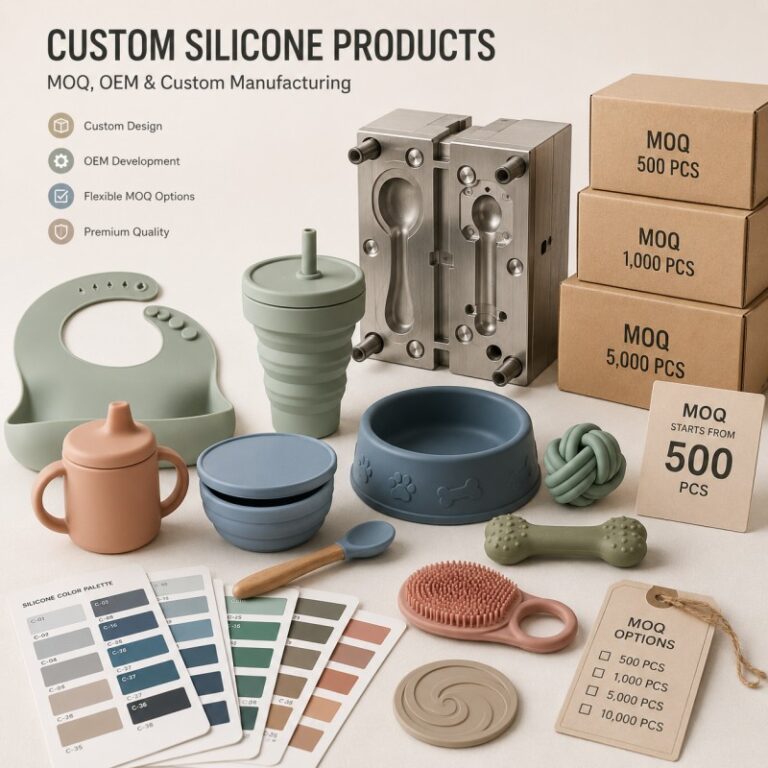
we offer OEM & ODM silicone slow feeder bowls for both retail and wholesale markets.
🐾 Product Highlights:
-
Material: 100% food-grade or medical-grade liquid silicone rubber (LSR)
-
Designs: Maze, spiral, puzzle, ridge, or anti-choking layouts
-
Sizes: Small / Medium / Large for dogs and cats
-
Features: Non-slip base, chew-resistant, flexible, dishwasher-safe
-
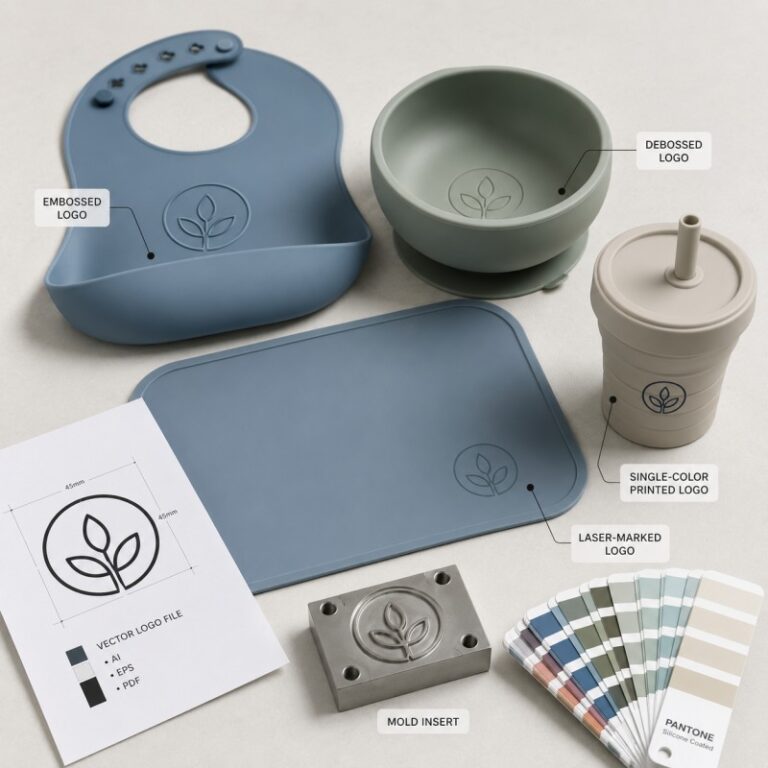
Customization: Custom logo, Pantone color matching, and private-label packaging
FAQ: Everything You Need to Know
Q1: Do slow feeder bowls work for all dogs?
Most dogs and cats benefit from slow feeders, but results vary depending on breed, size, and temperament. Consistent use improves long-term feeding behavior.
Q2: Are silicone bowls safe for pets?
Yes. Food-grade and medical-grade silicone is non-toxic, BPA-free, odorless, and resistant to bacteria. It’s one of the safest materials for pet feeding.
Q3: Can slow feeder bowls prevent bloating or GDV?
They can help reduce the risk, but cannot fully prevent it. GDV has multiple causes; using a slow feeder is part of a broader prevention strategy recommended by veterinarians.
Q4: Are silicone slow feeders easy to clean?
Absolutely. Silicone is non-stick and dishwasher-safe, making it more hygienic than plastic or rubber bowls.
Q5: Can I customize color, logo, or shape?
Yes! LYA Silicone provides OEM & ODM services, offering full customization — including brand logo engraving, color matching, and packaging design.
Q6: Can I use wet food in a silicone slow feeder?
Yes, though you may need to rinse more thoroughly afterward. Silicone’s non-stick surface helps prevent buildup.
Conclusion
A silicone slow feeder bowl is a scientifically backed, safe, and cost-effective way to promote healthier eating habits for your pets.
By combining behavioral insight, food-grade silicone technology, and ergonomic design, LYA Silicone helps pet brands and owners deliver smarter feeding solutions.
👉Your trusted partner in custom silicone pet products, OEM slow feeders, and innovative silicone molding solutions.
-
📧 Email: sale11@lyasilicone.com
-
📞 Phone: +86-13420974883
-
🌐 Website: www.lyasilicone.com