 English
  French
  German
  Spanish
  Polish
  Chinese
  Japanese
  Korean
  Russian
 Contents
In today’s lively market of silicone-based baby toys, feeding accessories and pet products, one question keeps coming up: “Why does silicone sometimes irritate skin?” Whether it’s a baby’s soft cheeks, a pet’s muzzle, or a sensitive wrist wearing a silicone device — the answer often lies not in the silicone itself, but how it’s formulated, processed and maintained.
Understanding the risk of irritation
While silicone is widely regarded as hypoallergenic and safe — even used in medical devices — irritation can still occur. For example, one article points out that although silicone materials are chemically stable and non-toxic, improper use (too much friction, inadequate cleaning, low-quality additives) can cause discomfort.
Key factors include:
-
Surface friction or pressure: A silicone brush pressed hard against skin may rub, scratch or trap sweat.
-
Residues or bacteria buildup: Even though silicone repels many microbes, if it’s not cleaned properly, debris can accumulate.
-
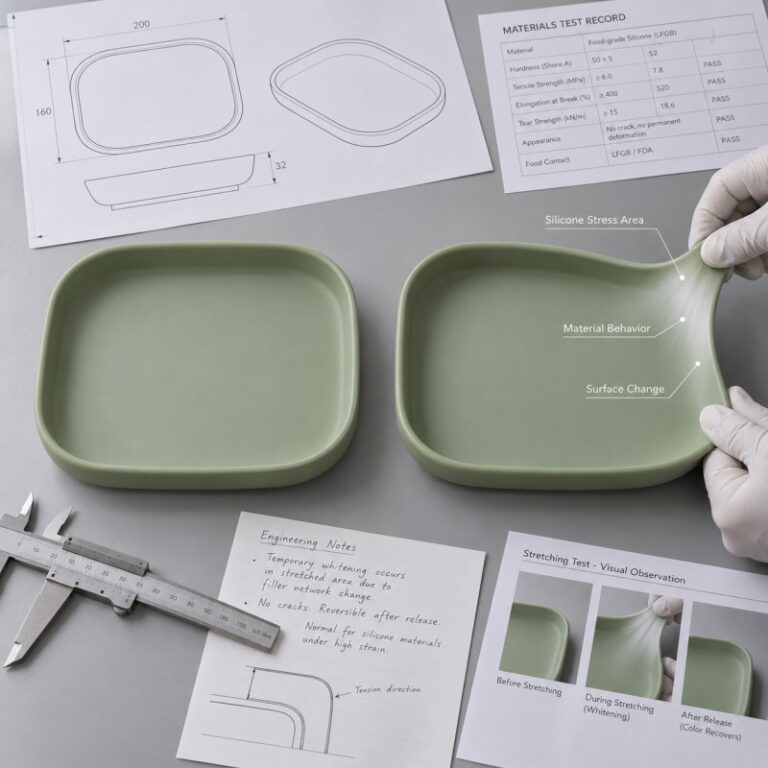
Low-grade materials or additives: True silicone allergies are extremely rare — most reactions come from fillers, dyes or curing agents.
What to look for when choosing silicone baby & pet products
To ensure you’re buying a safe, comfortable silicone product for babies or pets, keep these in mind:
-
Material grade: Look for “food-grade silicone”, “medical-grade silicone”, or certifications like FDA, LFGB. That implies minimal harmful additives.
-
Cure method / purity: High-purity platinum-cured silicone generally has lower potential for irritation than cheap tin-cured grades or inferior blends.
-
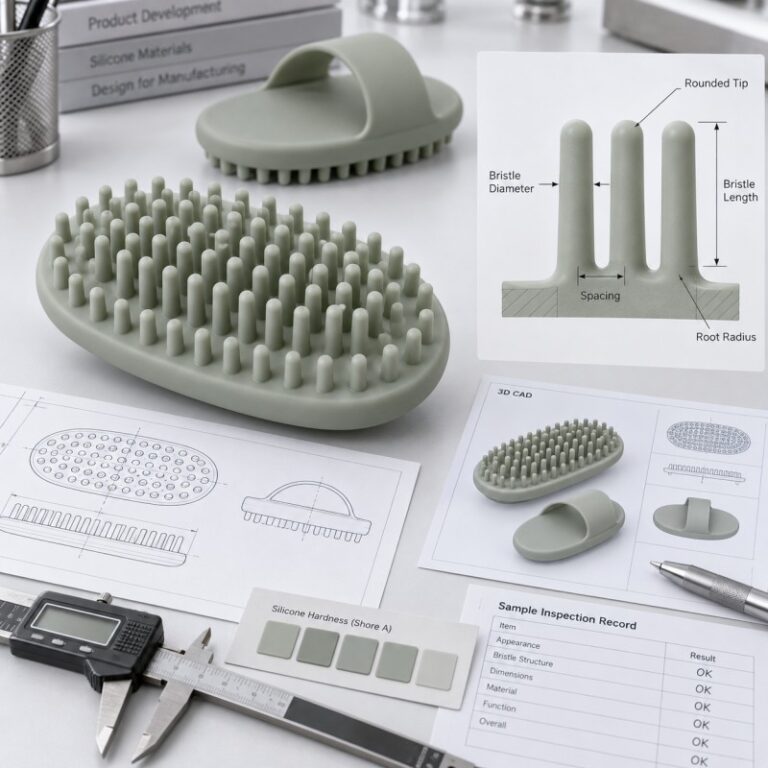
Surface finish & design: Smooth, well-molded surfaces reduce friction. If it’s a wearable or contact item, softness matters.
-
Cleaning and maintenance: Products should be easy to sterilize, quick to dry, and designed to avoid moisture traps.
-
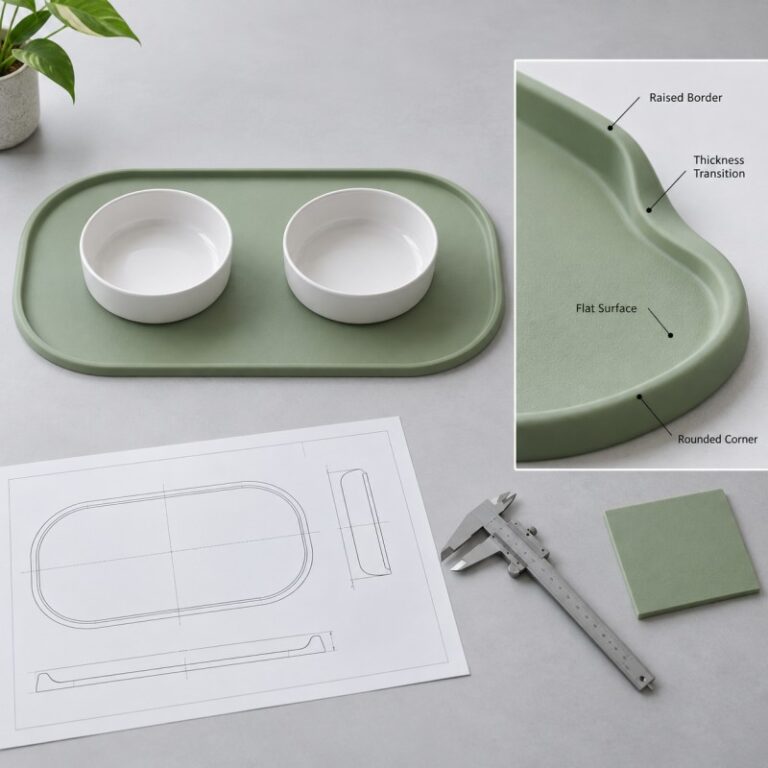
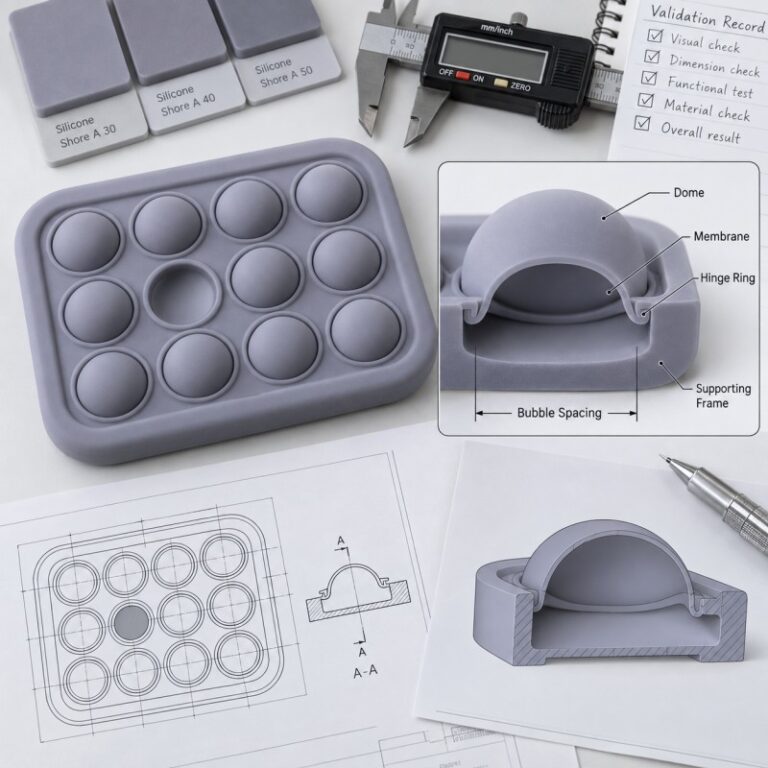
Use context & hardness: For baby items (teethers, nipples) you want softer silicone; for pets (chew toys, feeding mats) a slightly firmer hardness may improve durability.
Why this matters for baby and pet products
-
Baby items: A soft teether or spoon touches delicate gums, cheeks and fingers. If the silicone is too firm, poorly finished, or contains additives, the child may fuss or react.
-
Pet items: Dogs and cats often chew, scratch, or use products in more vigorous ways. Silicone designed for baby use may not hold up; conversely, a product made for durability might compromise softness for an infant. By understanding these differences we can choose materials and designs that suit each scenario.
-
Skin contact & sensitive users: Babies, pets with sensitive skin, or humans with known sensitivities deserve extra care. By choosing high-quality silicone, many avoid skin irritation entirely.
How to use silicone products safely
-
Clean the item before first use with warm water and mild soap.
-
After use, rinse thoroughly; allow to air-dry fully before storing (to avoid trapped moisture).
-
For wearable silicone items, allow periodic breaks so skin can breathe.
-
If you observe redness, rash, swelling or discomfort in baby or pet, temporarily stop use, inspect the product for damage or residue, and consider switching to a higher-quality grade.
-
When in doubt, perform a patch test: let baby or pet interact briefly with the product and monitor for any reaction. (While true silicone allergy is rare, precaution is wise.)
✅ Bottom line
Silicone remains one of the safest and most versatile materials for baby and pet products — flexible yet durable, soft yet stable, safe for mouth, skin and environment when made correctly. The difference lies in material quality, manufacturing standards, and correct usage.
By choosing well-manufactured silicone accessories with appropriate hardness, certified grade, excellent finish and designed for the specific user (baby or pet), you minimise risk and maximise comfort and safety.
🧩 FAQ
Q1: Can silicone itself cause skin allergies?
A1: True allergies to pure high-grade silicone are extremely rare. Most skin reactions stem from additives, fillers or surface residues rather than the silicone polymer itself.
Q2: How can I identify “high-quality” silicone for my baby or pet product?
A2: Look for food/medical-grade labels, platinum curing, minimal additives, smooth surface finish, and a reputable manufacturer. Also check that cleaning instructions are easy and that the product feels rightly soft or firm for its purpose.
Q3: What hardness should a silicone baby product have compared to a pet product?
A3: Generally for baby-mouth use a softer feel is preferable (low Shore A number), whereas pet chew/toy items may benefit from a firmer hardness for durability. The right hardness depends on function, age/size and usage.
Q4: My baby/ pet got a red mark after using a silicone product — what should I do?
A4: Stop using the product for a short period, clean the item thoroughly, inspect for surface defects or residue, and monitor the skin. If the mark persists or worsens, consult a physician or vet. Consider switching to a higher-quality silicone item.
Q5: Is silicone always safe for baby’s mouth and pet’s mouth?
A5: When the silicone is food-grade, properly cured and manufactured to high standards, it is considered very safe for oral contact. But always verify certifications, test new products with care, and follow cleaning/usage guidance.
📩 Contact us today to discuss your project:
-
📧 Email: sale11@lyasilicone.com
-
📞 Phone: +86-13420974883
-
🌐 Website: www.lyasilicone.com