 English
  French
  German
  Spanish
  Polish
  Chinese
  Japanese
  Korean
  Russian
 Contents
A Deep Dive into Scientific Safety Standards & Why It Matters for Your Brand**
When it comes to baby products, “safe material” isn’t just a marketing term — it’s a technical requirement backed by global standards and rigorous testing. Choosing the right silicone for infants can make the difference between a product that meets compliance and one that risks reputational damage or regulatory trouble.
At LYA Silicone, we understand this deeply. With over 20 years of OEM/ODM silicone manufacturing experience, we help global brands develop high-quality baby silicone products that meet international safety benchmarks.
1. Silicone Safety: Material Science Behind Baby-Safe Silicone
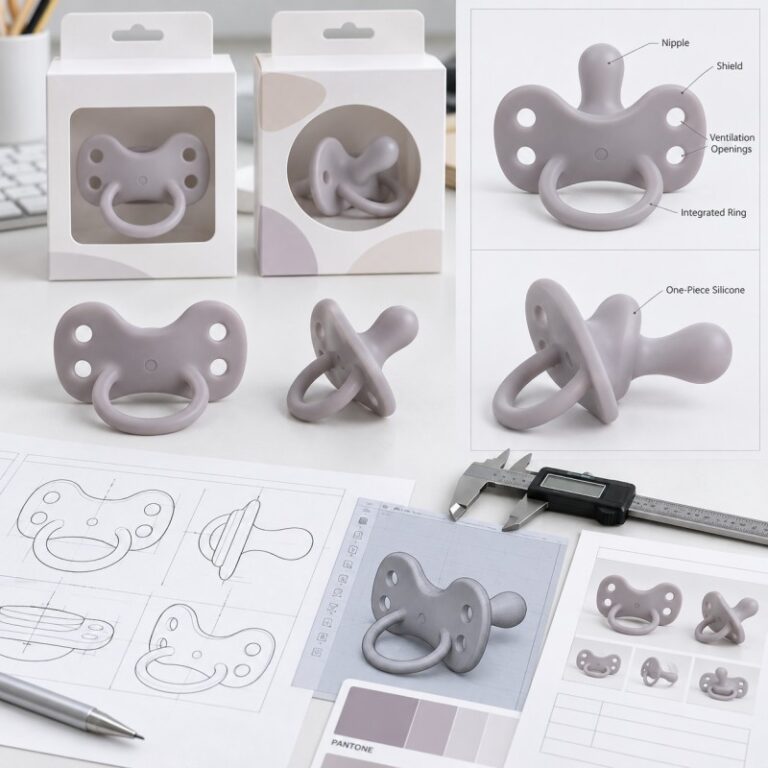
Silicone used in baby products is fundamentally different from generic rubber or low-grade polymers. It’s typically derived from high purity silica (from sand) combined with oxygen and cured into a stable elastomer that is inert and non-reactive. For baby applications, these material attributes matter:
Non-Toxic & BPA-Free
Unlike many plastics that can release harmful substances such as BPA, phthalates, or plasticizers when chewed or heated, high-quality silicone is chemically stable and non-toxic. It does not leach harmful chemicals into food or saliva under normal use.
Hypoallergenic and Biocompatible
Silicone’s molecular structure makes it hypoallergenic and unlikely to irritate sensitive skin. Clinical evidence shows that well-manufactured silicone rarely causes dermatitis or allergic reactions — a key requirement for products that spend hours in contact with baby skin or mouth.
Thermal Stability and Sterilization Friendly
Infant items are frequently sterilized. Food-grade silicone can withstand repeated heating in boiling water, steam sterilizers, and dishwashers without degrading, warping, or releasing chemicals — a core advantage over most plastics.
Non-Porous Surface = Hygiene Boost
Silicone’s non-porous surface doesn’t harbor bacteria easily, making it much easier to clean and maintain hygienic conditions compared to textured plastic or porous polymers.
2. What Really Makes Silicone “Baby-Safe”?
Certifications and Compliance**
The material alone isn’t enough — third-party testing and certification are essential for baby products to be trusted internationally.
FDA (Food and Drug Administration – USA)
Silicone must meet strict FDA requirements for food contact safety, ensuring it doesn’t transfer harmful substances into food or liquid. This is crucial for items like teethers, feeding accessories, and utensils.
LFGB (Food, Commodity and Feed Law – Germany)
The LFGB standard is widely regarded as even more stringent in many respects, requiring extensive chemical migration tests. Silicone that passes both FDA and LFGB is considered high-grade global-ready silicone.
When you partner with LYA Silicone, all our baby silicone products are manufactured to comply with FDA, LFGB, and other related standards, giving you confidence during product development and global market entry.
3. Why Silicone Outperforms Other Materials for Baby Safety
| Feature | Silicone | Typical Plastics |
|---|---|---|
| Heat resistance | –40°C to 230°C | ~ –20°C to 100°C |
| Chemical leaching risk | Extremely low | Can be significant |
| Hypoallergenic | Yes | Often no |
| Sterilization durability | Excellent | Moderate to poor |
| Bacterial adhesion | Low | Higher |
4. Choosing a Reliable Silicone OEM Partner
Not all silicone factories are the same. When sourcing silicone baby products:
✔ Ask for complete compliance documentation
Certificates for FDA, LFGB, and other food contact test reports should be provided.
✔ Check manufacturing control capabilities
Look for full control from raw material selection to finished product testing.
✔ Evaluate OEM experience
A qualified OEM like LYA Silicone, with over 20 years of experience and thousands of silicone projects completed, understands global standards and export requirements.
At LYA Silicone, our one-stop services include material selection, custom tooling, molding, quality testing, and logistics — making it easier for foreign brands to launch baby-safe silicone products efficiently and compliantly.
5. Recommended Baby-Safe Silicone Products from LYA Silicone
Here are some of the baby-oriented categories we manufacture for global brands:
-
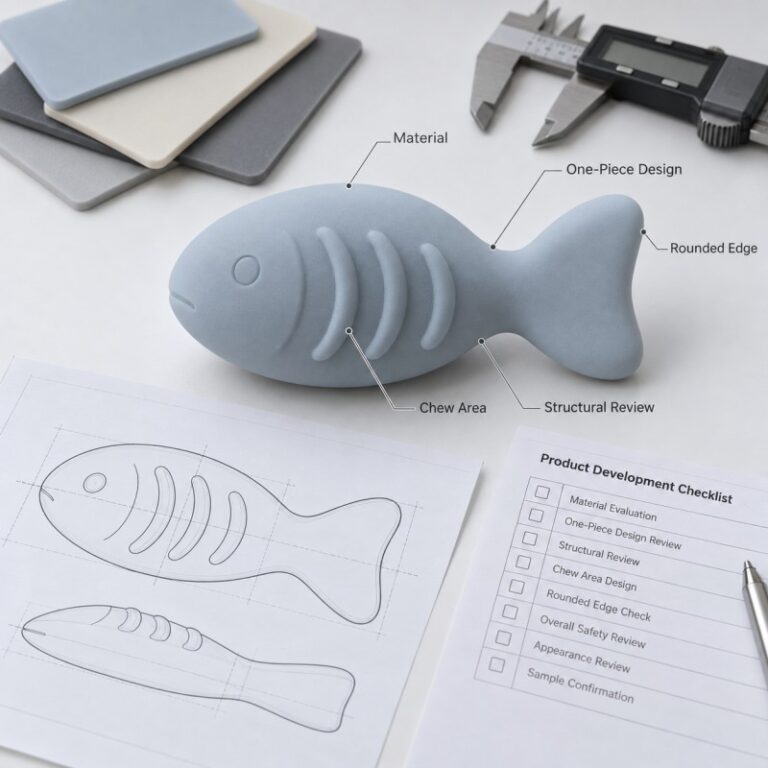
Silicone Baby Teethers & Sensory Toys – soft, easy to grip, non-toxic designs.
-
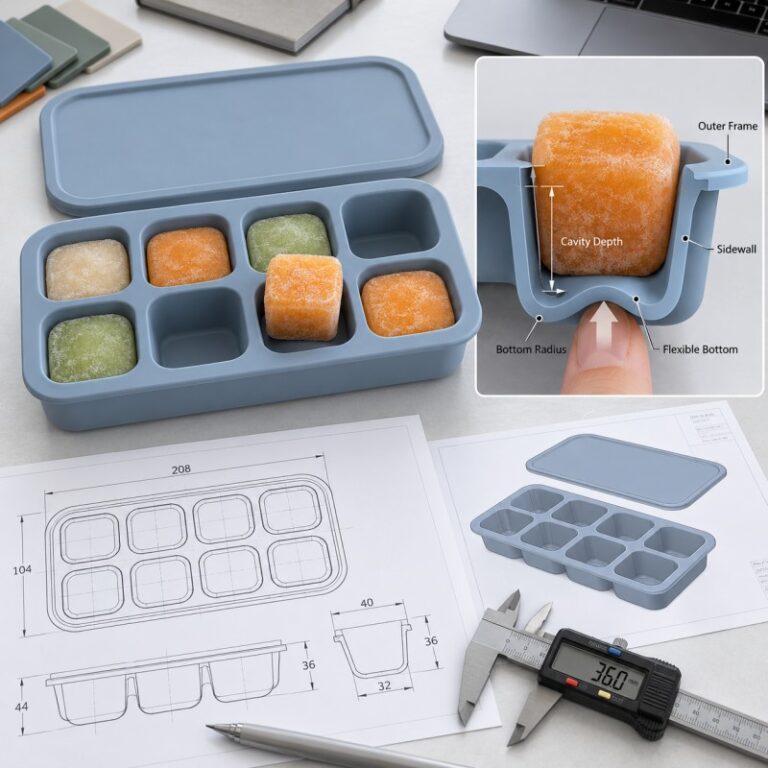
Feeding Utensils & Tableware – food-grade silicone bowls, spoons, and plates.
-
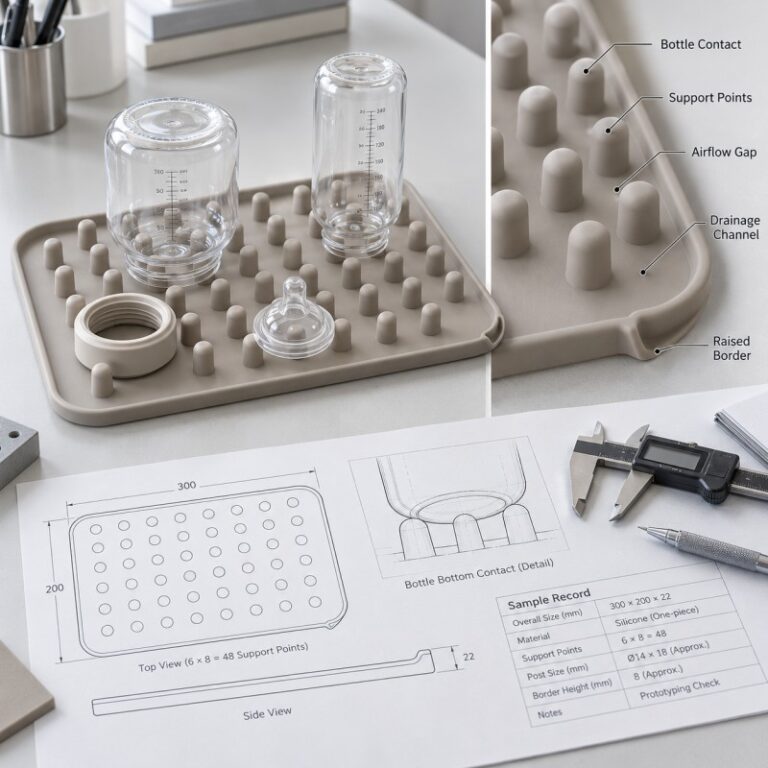
Baby Bottle Accessories & Brushes – durable silicone tools for daily use.


FAQ – Baby-Safe Silicone (English Version)
Q1: Is all silicone baby-safe?
A: No — only silicone that is food-grade and certified by reliable standards like FDA and LFGB can be confidently used in baby products. Material labeling alone isn’t enough without third-party test reports.
Q2: What certifications should I look for?
A: FDA, LFGB, SGS and other food contact safety certificates are essential. These ensure chemical migration, toxicity, and hygiene standards are met.
Q3: Does silicone withstand sterilization?
A: Yes — high-quality food-grade silicone can be boiled, steam-sterilized, or dishwasher cleaned repeatedly without degrading.
Q4: Can LYA Silicone help with custom designs and testing?
A: Absolutely. We offer OEM/ODM full service including custom tooling, prototype, compliance support and quality inspection.
Q5: What markets does LYA serve?
A: Our products are exported globally, serving brands in North America, Europe, Asia, and beyond
Contact Information
LYA Silicone – Your Trusted Silicone OEM Partner
-
 Email: sale11@lyasilicone.com
 -
 Phone: +86-13420974883
 -
 Website: www.lyasilicone.com