 English
  French
  German
  Spanish
  Polish
  Chinese
  Japanese
  Korean
  Russian
 Contents
Silicone baby products have become increasingly popular among parents seeking safe, durable, and versatile alternatives to traditional materials. However, one common concern persists: odor retention in silicone items such as bottles, teething toys, and utensils. The presence of unwanted smells can be unsettling, raising questions about safety, quality, and proper maintenance.
In this comprehensive guide, we address the top five questions parents and caregivers frequently ask about ensuring silicone baby products are completely free from odors. We delve into the science behind silicone odors, manufacturing standards, effective cleaning techniques, storage practices, and how to select the safest products on the market.
1. What Causes Odors in Silicone Baby Products, and Are They Safe?
Understanding the origin of odors in silicone is crucial to addressing concerns about safety and quality. Silicone, a synthetic material composed mainly of silicon, oxygen, carbon, and hydrogen, is inherently odorless. However, initial odors may develop during manufacturing or packaging processes, or from the presence of residual chemicals, manufacturing oils, or unreacted monomers.
Common causes include:
- Residual Manufacturing Substances: Silicone may retain traces of curing agents, release agents, or lubricants used during production.
- Packaging and Storage Conditions: Exposure to certain plastics, adhesives, or environmental factors can lead to odor absorption.
- Environmental Contaminants: Dust, bacteria, or other particles can cause smells if the product isn’t properly cleaned or stored.
Are these odors safe?
Most odors associated with silicone are harmless and not indicative of toxicity. They are often simply volatile compounds that dissipate over time. Nevertheless, persistent or strong odors can be unsettling and may indicate subpar manufacturing standards. High-quality, food-grade silicone undergoes rigorous testing to ensure it is free from harmful chemicals like BPA, phthalates, and latex.
Key takeaway:
While minor, temporary odors are common with new silicone products, they pose no health risk when the product is made from certified food-grade silicone. Proper cleaning and airing can eliminate residual smells effectively.
2. How Can We Effectively Remove Odors from Silicone Baby Products?
Proper cleaning is essential for odor removal. The process involves deep cleaning, airing, and sometimes boiling or baking to eliminate volatile compounds.
Step-by-Step Odor Elimination Process:
a. Rinse Thoroughly with Hot Water
Start with a hot water rinse to remove surface residues. Use a gentle, fragrance-free dish soap to scrub all surfaces, paying close attention to crevices.
b. Boil in Water
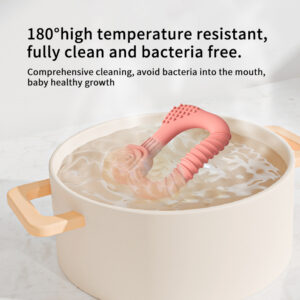
Boiling silicone products in water for 5-10 minutes is one of the most effective methods. It helps evaporate residual chemicals and sanitize the product. Ensure the product is heat-resistant and food-grade before boiling.
c. Use Baking Soda Paste
Create a paste of baking soda and water, then scrub the silicone with it. Baking soda is a natural deodorizer that neutralizes odors without leaving harmful residues.
d. Air Dry in a Well-Ventilated Space
After cleaning, air the product in a well-ventilated area for at least 24 hours. Exposure to fresh air accelerates the dissipation of residual volatile compounds.
e. Use Vinegar Rinse (Optional)
A vinegar rinse (diluted with water) can be used periodically to neutralize stubborn smells. Vinegar is a natural deodorizer and disinfectant.
Additional Tips:
- Avoid using harsh chemicals, bleach, or alcohol-based cleaners, as they can degrade silicone and leave residues.
- Regular cleaning after each use prevents buildup of odors.
3. What Are the Best Manufacturing Practices to Ensure Silicone Baby Products Are Odor-Free?
Manufacturers play a critical role in delivering odor-free silicone products. To guarantee safety and quality, manufacturers should adhere to strict standards and best practices:
a. Use of Food-Grade Silicone
Only certified medical or food-grade silicone should be used. This silicone is free from BPA, phthalates, lead, latex, and other harmful chemicals.
b. Rigorous Curing and Post-Processing
Proper curing processes ensure complete polymerization, reducing residual monomers and chemicals that cause odors. Post-curing procedures, such as heat treatments, help eliminate volatile residues.
c. Quality Control and Testing
Manufacturers should perform comprehensive testing for odor emissions, chemical residues, and toxicity. Independent laboratories often provide certification to verify compliance with safety standards.
d. Minimizing Packaging Contaminants
Use non-odor-absorbing packaging materials and ensure products are sealed and stored in controlled environments to prevent contamination.
e. Transparent Labeling and Certification
Clear information about the material source, manufacturing standards, and certifications (e.g., FDA, LFGB, ASTM) reassures consumers of product safety.
4. How Should Silicone Baby Products Be Properly Stored to Prevent Odor Development?
Storage conditions significantly influence the longevity and odor profile of silicone items. Proper storage can prevent absorption of environmental odors and contamination.
Best Storage Practices:
- Keep in a Clean, Dry Environment: Store silicone products in a clean container or sealed bag to prevent dust, dirt, and odors from settling.
- Avoid Exposure to Strong Odors: Keep silicone items away from perfumes, cleaning agents, smoke, or food scents that can be absorbed.
- Use Airtight Containers: For long-term storage, airtight containers or vacuum-sealed bags are ideal to prevent odor absorption.
- Maintain a Controlled Temperature: Store in a cool, dry place away from direct sunlight or heat sources, which can accelerate chemical degradation and odor development.
Additional Tips:
- Regularly inspect stored items and re-clean if odors develop over time.
- Rotate usage to prevent prolonged storage of unused items, which may develop stale smells.
5. What Are the Key Factors to Consider When Choosing Odor-Free Silicone Baby Products?
Selecting the right silicone baby products involves evaluating multiple factors to ensure they are safe, odor-free, and durable.
Certifications and Standards
Always check for industry certifications such as:
- FDA approval
- LFGB certification
- ASTM standards
These certifications confirm that the product complies with strict safety and odor standards.
Material Quality and Source
Opt for products made from high-quality, medical-grade silicone sourced from reputable manufacturers. Avoid cheap, unbranded alternatives that may use inferior materials.
Manufacturing Transparency
Choose brands that provide detailed information about their manufacturing processes, testing procedures, and material sources.
Customer Reviews and Expert Endorsements
Research reviews and endorsements from pediatricians or baby product safety organizations. Positive feedback regarding odor absence indicates reliable quality.
Design and Features
Opt for simple, minimal designs with smooth surfaces that are easy to clean and less likely to harbor residues or odors.
Sample Testing
Request or purchase samples first, then perform initial cleaning and airing to assess odor presence before committing to larger purchases.
Conclusion
Ensuring that silicone baby products are completely odor-free involves a multi-faceted approach—from understanding the causes of odors, practicing effective cleaning methods, selecting high-quality manufacturing standards, proper storage, and making informed purchasing decisions.
Parents and caregivers must prioritize products that adhere to rigorous safety standards and undergo thorough testing. Regular maintenance, proper storage, and mindful selection are key to providing a safe, odorless, and hygienic environment for your baby’s delicate needs.
By following these detailed guidelines, you can confidently choose silicone baby products that are not only safe and durable but also completely free from unwanted odors, ensuring your child’s health and happiness.
- Email: sale11@lyasilicone.com
- Phone: +86-13420974883
- Website: www.lyasilicone.com
FAQ – One-Sentence Version
-
Why do silicone baby products have an odor?
It usually comes from manufacturing residues or absorbed packaging smells. -
Are these odors safe for babies?
Mild odors from high-quality food-grade silicone are harmless. -
How can I remove odors quickly?
Wash, boil, and air-dry to eliminate the smell. -
Can silicone baby products be boiled?
Most food-grade silicone items are safe to boil. -
How do manufacturers ensure odor-free silicone?
They use certified materials, proper curing, and strict quality control. -
How should I store silicone to prevent odors?
Keep it sealed, dry, and away from strong smells. -
Why does silicone smell after long storage?
Silicone absorbs ambient odors, which disappear after cleaning. -
What certifications should I look for?
Choose products with FDA, LFGB, and ASTM certifications. -
How can I identify high-quality silicone?
Check for certifications, good material quality, and reputable manufacturing. -
What if the odor remains after cleaning?
Try boiling again or using baking soda; if persistent, replace the product.