 English
  French
  German
  Spanish
  Polish
  Chinese
  Japanese
  Korean
  Russian
 Contents
A Scientific, Manufacturing, and Safety Perspective for Global B2B Buyers
Pet safety has become a top priority for global brands in the pet supplies industry. From chew toys and feeding accessories to grooming tools and smart interactive products, material selection directly impacts animal health, regulatory compliance, and brand credibility.
One of the most frequently asked questions by brand owners, importers, and distributors is:
Is silicone dangerous if pets accidentally ingest it?
As a custom silicone product manufacturer specializing in pet, baby, and medical-grade silicone solutions, LYA Silicone provides a science-backed, industry-focused answer—while explaining why high-quality silicone has become the preferred material for modern pet products.
1. What Is Silicone? A Material Science Overview
Silicone is a synthetic polymer primarily composed of silicon, oxygen, carbon, and hydrogen. Unlike plastics, silicone does not contain BPA, phthalates, PVC, or latex, making it chemically stable and biologically inert.
In pet products, manufacturers typically use:
- Food-grade silicone (FDA / LFGB compliant)
- Medical-grade or platinum-cured silicone (for higher safety standards)
These materials are engineered to be:
- Non-toxic
- Odorless and tasteless
- Resistant to heat, saliva, and digestive enzymes
2. What Happens If a Pet Accidentally Ingests Silicone?
2.1 Toxicity: The Scientific Consensus
From a toxicological standpoint, pure, high-quality silicone is non-toxic. Numerous studies and regulatory evaluations confirm that cured silicone does not chemically break down inside the digestive system and does not release harmful substances.
Key points:
- Silicone is chemically inert in the gastrointestinal tract
- It does not react with stomach acid
- It does not leach toxins when properly cured
2.2 The Real Risk: Mechanical Obstruction
While silicone is non-toxic, accidental ingestion of large silicone pieces may pose a physical risk, particularly:
- Intestinal blockage
- Choking hazards (for small pets)
This risk is mechanical, not chemical, and depends on:
- Size and shape of the ingested piece
- Pet species, size, and chewing habits
3. Why Silicone Is Safer Than Traditional Pet Toy Materials
| Material | Toxic Risk | Breakage Risk | Sharp Edges | Chemical Leaching |
|---|---|---|---|---|
| Hard Plastic | Medium–High | High | Yes | Possible |
| Natural Rubber | Medium (allergies) | Medium | Possible | Possible |
| Nylon | Low–Medium | High | Yes | Possible |
| High-Quality Silicone | Very Low | Low | No | No |
4. The Importance of Manufacturing Quality
Not all silicone products are created equal.
Low-quality silicone products—often produced without proper curing control—may:
- Contain fillers
- Have incomplete cross-linking
- Fail food-grade or medical-grade standards
At LYA Silicone, we ensure:
- 100% platinum-cured silicone options
- Strict raw material traceability
- Compliance with FDA, LFGB, ROHS, and REACH
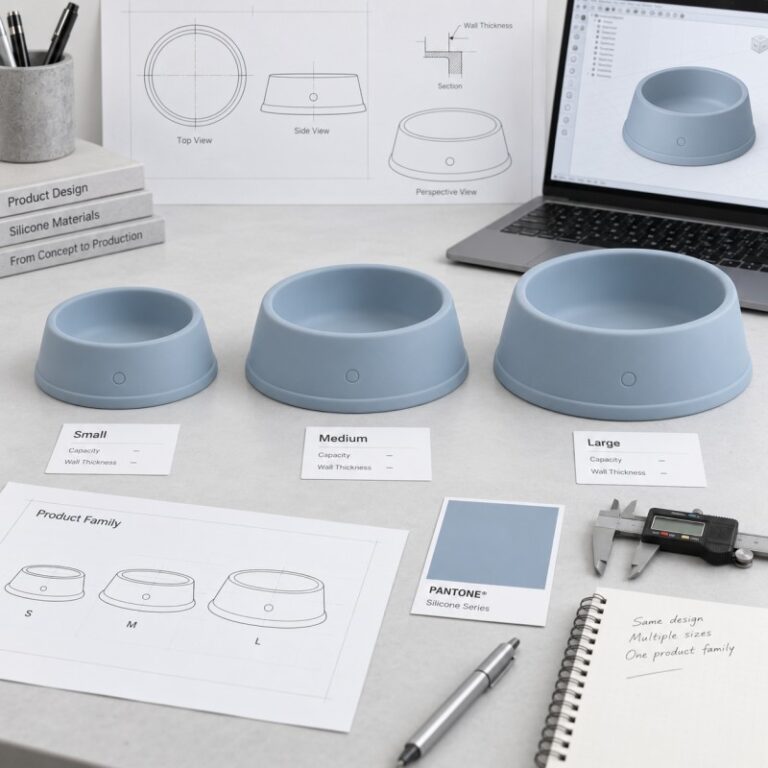
- In-house mold design for controlled wall thickness and tear resistance
5. Why Global Pet Brands Choose LYA Silicone
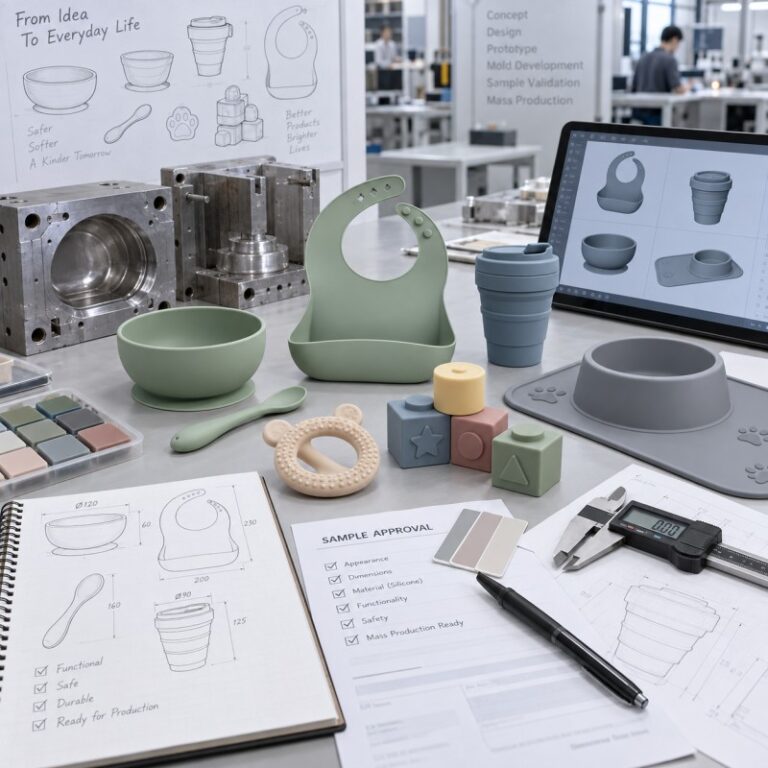
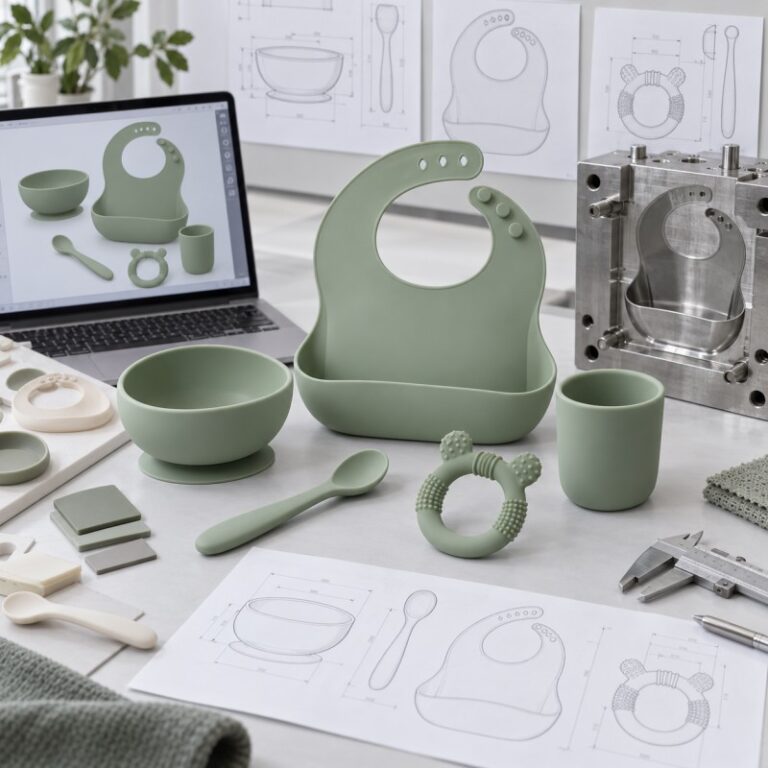
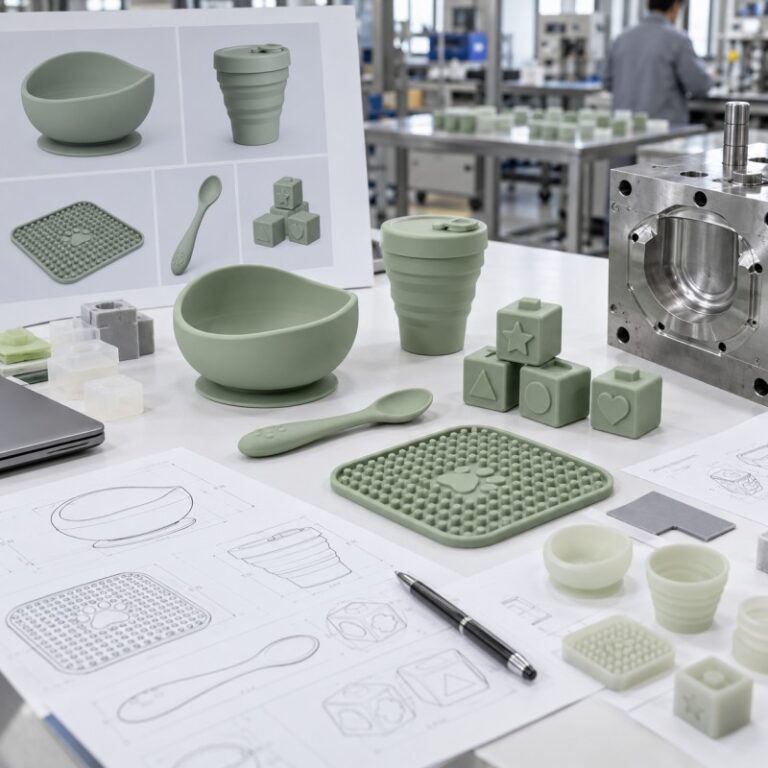
As a B2B-focused silicone manufacturer, LYA Silicone supports pet brands from concept to mass production:
- Custom silicone pet toys & chew products
- Silicone dog brushes & grooming tools
- Silicone feeding bowls & slow feeders
- Interactive pet product components
- LSR overmolded pet accessories


Our advantages:
- In-house tooling & mold development
- Expertise in liquid silicone rubber (LSR)
- Scalable production for global markets
- Engineering-driven design for pet safety


6. Regulatory & Market Trends Supporting Silicone Adoption
Global regulations increasingly favor non-toxic, recyclable, and durable materials.
Silicone aligns with:
- FDA food-contact regulations (US)
- LFGB standards (EU)
- Growing consumer demand for “plastic-free” pet products
7. Conclusion: Is Silicone Safe for Pets?
Scientifically and industrially speaking:
✔ High-quality silicone is non-toxic ✔ It does not release harmful chemicals if ingested ✔ The primary risk is physical blockage, not poisoning ✔ Proper design and manufacturing dramatically reduce risks
For brands committed to pet safety and long-term reputation, partnering with a professional silicone manufacturer is essential.
FAQ – Frequently Asked Questions
Q1: Is food-grade silicone safe for dogs and cats?
Yes. Food-grade silicone that meets FDA or LFGB standards is non-toxic and widely used in pet feeding and chewing products.
Q2: What should happen if a pet swallows a small piece of silicone?
In many cases, small flexible pieces may pass naturally. However, pet owners should always consult a veterinarian to rule out obstruction risks.
Q3: Is silicone safer than rubber pet toys?
High-quality silicone generally offers better chemical stability, lower allergy risk, and higher tear resistance than traditional rubber.
Q4: Can silicone break into sharp pieces?
No. Properly cured silicone tears rather than splinters, reducing internal injury risk compared to hard plastics.
Q5: Does LYA Silicone provide custom pet product development?
Yes. We specialize in OEM & ODM silicone pet products, offering material selection, mold design, prototyping, and mass production for global brands.
Contact Information
LYA Silicone – Your Trusted Silicone OEM Partner,
-
 Email: sale11@lyasilicone.com
 -
 Phone: +86-13420974883
 -
 Website: www.lyasilicone.com