 English
  French
  German
  Spanish
  Polish
  Chinese
  Japanese
  Korean
  Russian
 Contents
A Scientific & Manufacturing-Based Guide for Pet Brands
With the global pet care market continuing to expand, silicone pet products—such as dog bowls, feeding mats, slow feeders, chew toys, and grooming tools—have become increasingly popular due to their flexibility, durability, and safety.
However, one critical concern for pet brands and distributors is often overlooked:
Can silicone pet products grow mold—and how can manufacturers prevent it?
As a custom silicone product manufacturer, LYA Silicone works closely with international pet brands to address this issue at the material, design, and production levels. Below is a science-backed, factory-side explanation.
1. Can Silicone Pet Products Grow Mold?
Pure silicone itself does NOT support mold growth.
Medical- and food-grade silicone is:
-
Non-porous at the molecular level
-
Chemically inert
-
Hydrophobic (water-resistant)
-
Resistant to bacteria and fungi
However, mold can grow on contaminants that remain on the surface, such as:
-
Food residue (wet pet food, oils, saliva)
-
Biofilms formed by bacteria
-
Moisture trapped in micro-design structures
2. Scientific Factors That Influence Mold Formation
2.1 Surface Porosity & Material Purity
Low-quality silicone products may contain:
-
Fillers (calcium carbonate, industrial oils)
-
Recycled silicone
-
Inconsistent curing
These factors create microscopic surface defects, increasing the risk of residue retention.
High-purity LSR (Liquid Silicone Rubber) has:
-
Higher crosslink density
-
Smoother molecular structure
-
Lower surface energy
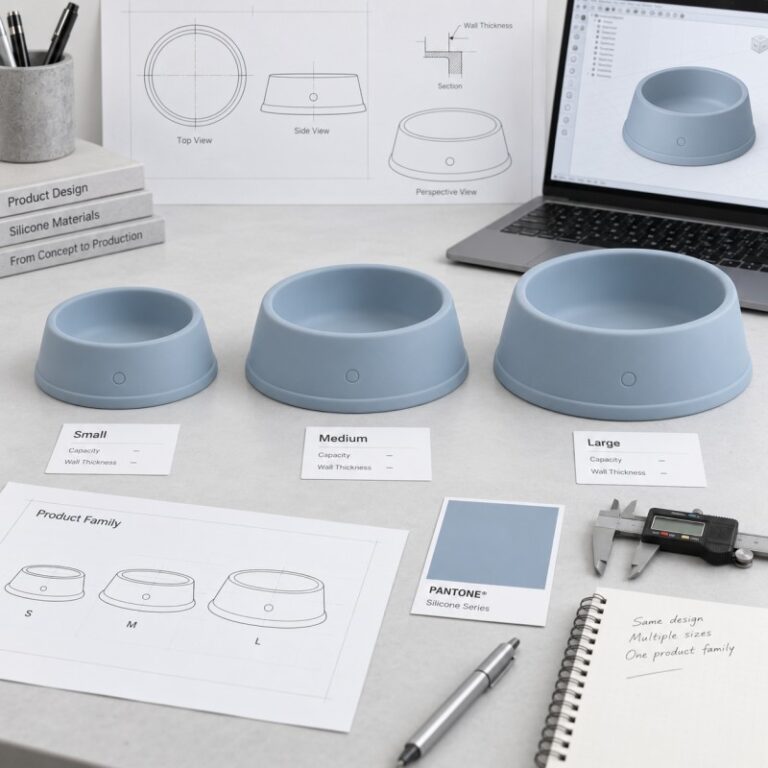
2.2 Design Geometry & Drainage
From a mold-design perspective, mold risk increases when products have:
-
Deep grooves with poor drainage
-
Sharp internal corners
-
Enclosed cavities that trap water
Professional silicone mold design incorporates:
-
Rounded internal radii
-
Optimized wall thickness
-
Easy-clean geometry (DFM-focused design)
2.3 Post-Curing & Volatile Removal
Scientifically, post-curing is essential.
Without post-curing:
-
Volatile organic compounds (VOCs) remain
-
Surface tackiness increases
-
Odor retention occurs
Post-curing at controlled temperatures:
-
Enhances thermal stability
-
Improves surface cleanliness
-
Increases resistance to microbial adhesion
3. Manufacturing-Level Solutions to Prevent Mold
From a factory standpoint, preventing mold is not about coatings—it’s about process control.
✔ Material Selection
-
100% food-grade or medical-grade silicone
-
BPA-free, phthalate-free
-
No fillers or recycled content
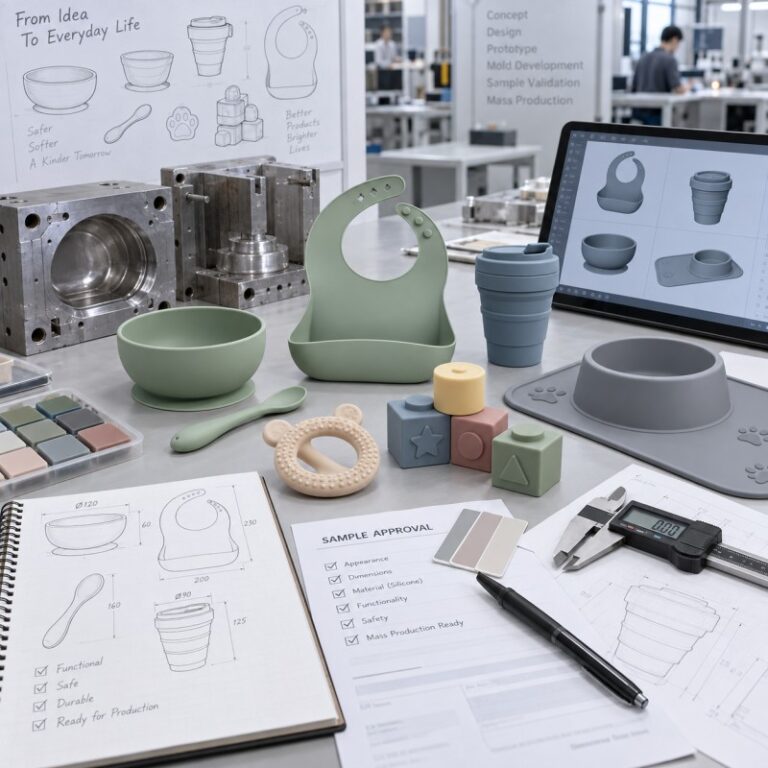
✔ Advanced LSR Injection Molding
-
Fully automated, closed-system molding
-
No human contact during production
-
Consistent curing and density
✔ Precision Mold Polishing
-
Mirror or fine matte finishes
-
Reduced surface friction
-
Easier cleaning for end users
✔ Cleanroom or Controlled Environment Production
-
Especially for pet feeding products
-
Reduces initial microbial load
4. How Proper Silicone Pet Products Benefit Brands
For pet brands and importers, mold-resistant silicone products mean:
-
Fewer customer complaints
-
Lower return rates
-
Improved brand trust
-
Compliance with FDA / LFGB food-contact standards
5.Recommended Silicone Pet Products – Custom Manufacturing by LYA Silicone
| Product Category | Key Features | B2B Benefits |
|---|---|---|
| Silicone Feeding Bowls & Mats | Non-porous, food-grade silicone; easy to clean; dishwasher-safe | Reduces microbial growth; customizable shapes, textures, and colors; long-lasting durability |
| Slow Feeder Silicone Trays | Anti-choke design; smooth surfaces; soft yet durable | Supports healthy feeding; reduces cleaning frequency; brandable with custom molds |
| Silicone Dog Chew Toys | Flexible, chew-resistant; BPA-free; safe for teeth and gums | Ergonomic design for pets; long-lasting; mold-resistant material; custom shapes available |
| Grooming Brushes & Cleaning Tools | Soft silicone bristles; ergonomic handles; water-resistant | Easy to clean; reduces bacterial adhesion; enhances user experience; fully customizable |
| Interactive Pet Toys | Durable LSR silicone; integrated metal or electronic inserts (optional) | Engaging designs; safe and hygienic; supports high-volume customization; OEM/ODM ready |
6.Why Choose LYA Silicone Products?
-
Custom Mold Only: No stock, full control over material, color, and texture
-
Hygiene-Optimized Design: Easy-clean surfaces, drainage-friendly geometry
-
High-Volume Manufacturing: Stable LSR injection molding ensures consistent quality
-
Compliance Ready: Food-grade, medical-grade silicone; FDA / LFGB compliant
-
Technical Support: Mold design, DFM analysis, post-curing optimization


7. FAQ – Silicone Pet Products & Mold Prevention
Q1: Is silicone better than plastic for preventing mold?
Yes. Silicone is non-porous and chemically stable, while many plastics develop micro-cracks over time that trap moisture and bacteria.
Q2: Can antibacterial additives be added to silicone?
Yes, but they must be food-safe and migration-tested. We help B2B customers evaluate whether additives are necessary or if design optimization alone is sufficient.
Q3: Does dishwashing damage silicone?
High-quality silicone withstands repeated dishwasher cycles up to 200–230°C without degradation.
Q4: Why do some silicone pet bowls smell over time?
Odor usually comes from:
-
Incomplete post-curing
-
Low-grade silicone raw materials
-
Oil-based food residue buildup
Q5: Do you provide mold design support for pet brands?
Yes. We provide:
-
DFM analysis
-
Mold structure optimization
-
Material selection guidance
-
Scale-up production support
Contact Information
LYA Silicone – Your Trusted Silicone OEM Partner,
-
 Email: sale11@lyasilicone.com
 -
 Phone: +86-13420974883
 -
 Website: www.lyasilicone.com