 English
  French
  German
  Spanish
  Polish
  Chinese
  Japanese
  Korean
  Russian
 Contents
A Scientific & Industry Perspective for B2B Buyers**
Silicone has become a preferred material across industries ranging from baby care and medical devices to consumer goods and industrial applications thanks to its exceptional thermal stability, durability, and biocompatibility. But a common question from procurement teams and product engineers is: “Will silicone release harmful substances when exposed to high temperatures?” Let’s explore this scientifically and explain what it means for sourcing quality silicone products from a trusted manufacturer like LYA Silicone.
1. What Silicone Is — And Why It’s Thermally Stable
Silicone is a synthetic polymer composed of silicon, oxygen, carbon, and hydrogen. The Si–O backbone of this polymer gives it significantly greater thermal stability than many traditional plastics and rubbers used in product manufacturing. High-quality silicone typically withstands a wide temperature range (from –40 °C to 230 °C and beyond) without breaking down or losing structural integrity.
This heat tolerance explains why silicone is used in applications such as:
-
Food contact items (e.g., bakeware, baby feeding products)
-
Medical and healthcare components
-
Industrial seals and high-temperature gaskets
Unlike some plastics, silicone does not contain BPA, phthalates, lead, or PVC, common sources of toxic emissions when plastics are heated.
2. Scientific Evidence on Heat and Chemical Release
High-quality, properly cured silicone — including food-grade and medical-grade formulations — is generally chemically inert and does not release harmful substances under normal use temperatures. Research and regulatory reviews show that silicone products meeting stringent certifications (e.g., FDA, LFGB, ISO) remain stable and do not leach chemicals into food or bodies even when exposed to typical cooking or sterilization conditions.
However, it’s important to understand the limits:
-
At temperatures below about 230 °C–250 °C, high-quality silicone remains safe and does not emit harmful compounds.
-
At extreme or sustained overheating well above the recommended limits (e.g., open flames or direct contact with heating elements), silicone can begin to degrade, and trace amounts of siloxane compounds or VOCs may release. These substances are typically associated with material breakdown, not with normal product performance.
3. Why Grade and Cure Method Matter
Not all silicone is the same. The industry distinguishes silicone by grade and how it is cured:
-
Food-Grade Silicone — meets FDA and LFGB standards and is designed for direct contact with food or skin without chemical leaching.
-
Medical-Grade Silicone — undergoes more exhaustive biocompatibility testing and is suitable for critical applications like medical components.
4. Practical Recommendations for Safe Use
To ensure silicone products perform safely in high-temperature applications:
✔ Choose Certified Silicone Materials
Select parts that meet FDA, LFGB, EN71, CPSIA, ISO, and other relevant standards. This ensures rigorous testing and minimal risk.
✔ Respect Temperature Limits
Verify the operating temperature range for each product. For example, food contact silicone is typically safe up to ~230 °C.
✔ Follow Manufacturer Guidelines
Avoid direct flame exposure and keep within tested thermal specifications.
✔ Inspect For Damage
Discontinue use if products show discoloration, cracking, or persistent odor — signs of material breakdown.
Why Partner With LYA Silicone?
At LYA Silicone, we specialize in premium silicone manufacturing for global B2B markets. Our products (including custom silicone baby teether toys, BPA-free silicone tableware, and high-temperature resistant silicone components) are made from certified food-grade and medical-grade silicone, ensuring safety, stability, and performance you can trust.
Featured products you can customize:
-
Custom Silicone BPA-Free Teethers — Food-grade, safe for children and tested by international standards.
-
Silicone Bowls & Utensils — FDA & LFGB certified products for food service and consumer goods.
-
High-Temperature Silicone Components — Designed to perform safely within rated thermal ranges for industrial or consumer applications.


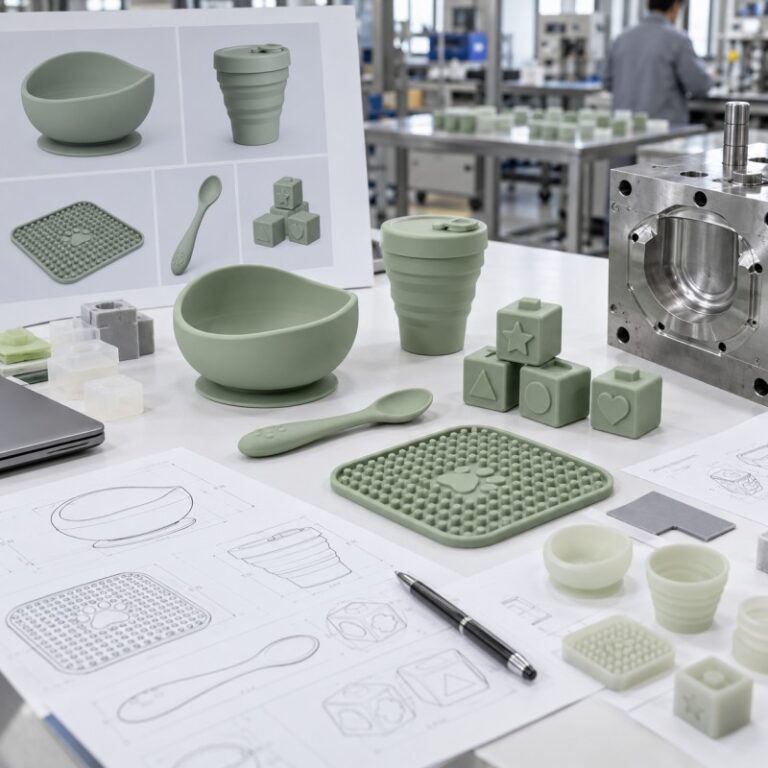
Featured Silicone Baby & Pet Products You Can Customize
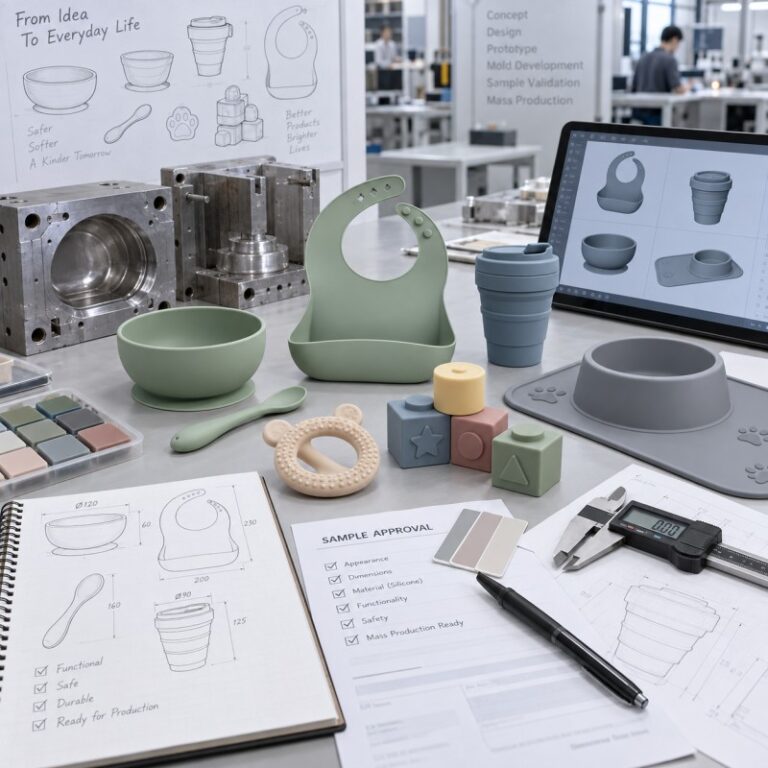
At LYA Silicone, we focus on the two most safety-critical and fast-growing silicone application sectors: baby care products and pet products. All solutions are developed with certified materials, strict quality control, and full OEM/ODM customization support to meet international B2B requirements.
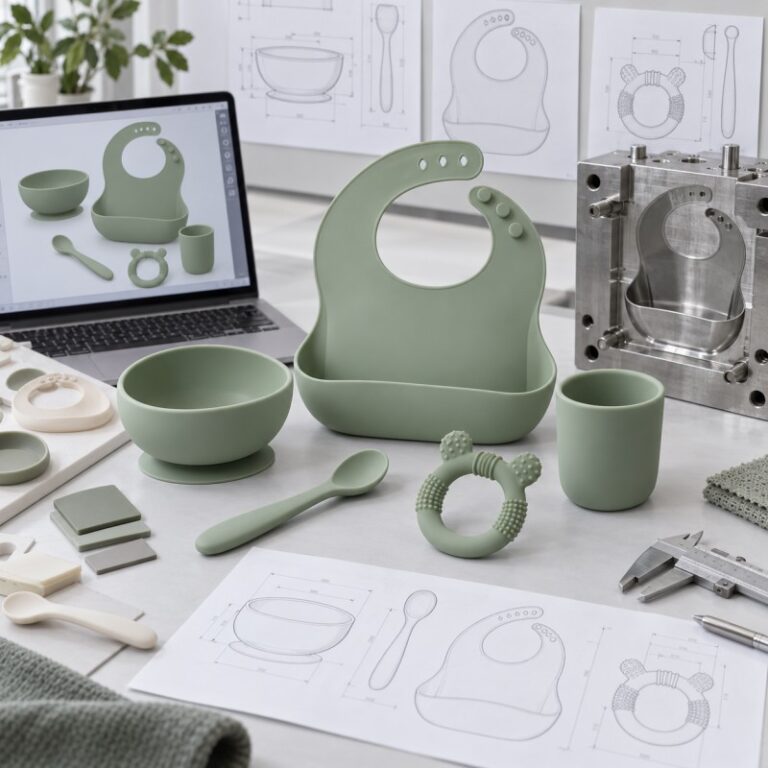
Custom Silicone Baby Products
Our silicone baby product range is manufactured using 100% food-grade or medical-grade silicone, specifically designed for direct skin and oral contact.
Typical customizable baby products include:
-
Silicone Baby Teethers (BPA-free, soft touch, platinum-cured)
-
Silicone Baby Feeding Sets (bowls, plates, spoons, bibs)
-
Silicone Bottle Brushes & Baby Care Accessories
-
Educational & Sensory Silicone Baby Toys

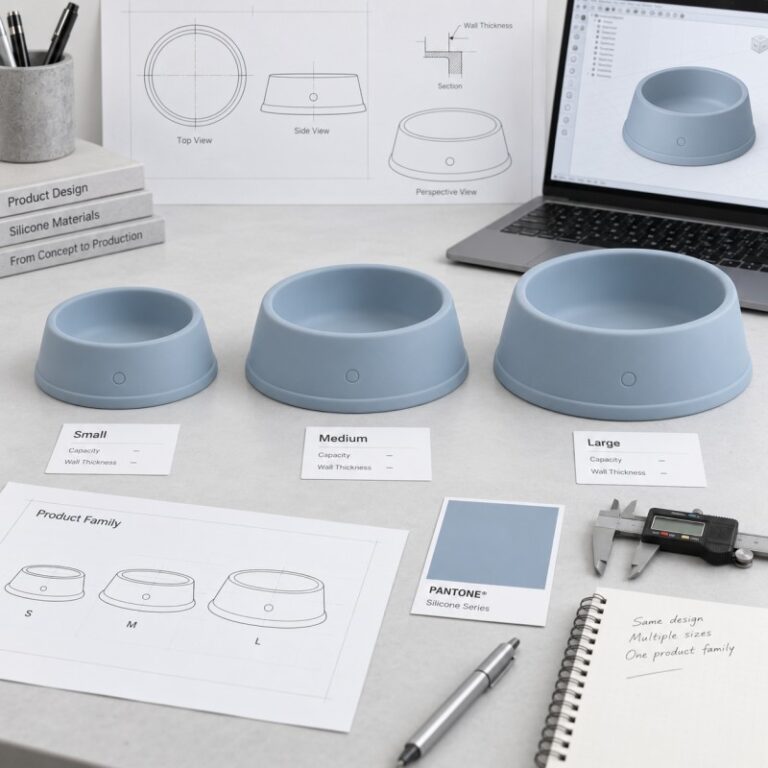
Custom Silicone Pet Products
Silicone is increasingly replacing plastic in pet products due to its durability, flexibility, non-toxicity, and heat resistance. LYA Silicone offers full-process manufacturing support for global pet brands.
Our silicone pet product capabilities include:
-
Silicone Dog & Cat Feeding Bowls
-
Silicone Pet Toys (chew-resistant, tear-resistant)
-
Silicone Pet Brushes & Grooming Tools
-
Custom Silicone Pet Accessories

FAQ — Silicone Heat Safety
Q1: Can silicone release harmful chemicals when used as intended?
A: No — high-quality, certified silicone does not release harmful substances under normal temperature ranges for its intended use.
Q2: What happens if silicone is overheated?
A: If exposed beyond its rated temperature (e.g., far above 230 °C), silicone may degrade and release trace byproducts, but this is outside normal use conditions and not typical for certified products.
Q3: How do I verify product safety?
A: Check for certifications (FDA, LFGB, ISO, CPSIA, EN71), request material safety data sheets (MSDS), and partner with experienced manufacturers with documented quality systems.
Q4: Are medical-grade and food-grade silicone different?
A: Yes — medical grade undergoes even stricter testing for direct human contact applications, while food grade is optimized for safe food contact and thermal stability.
Contact Information
LYA Silicone – Your Trusted Silicone OEM Partner
-
 Email: sale11@lyasilicone.com
 -
 Phone: +86-13420974883
 -
 Website: www.lyasilicone.com