 English
  French
  German
  Spanish
  Polish
  Chinese
  Japanese
  Korean
  Russian
 Contents
As the global pet industry continues to premiumize, pet owners are no longer satisfied with products that are merely functional or low-cost. Safety, durability, hygiene, sustainability, and brand values now play a decisive role in purchasing decisions.
This shift in consumer expectations has driven a clear trend:
more and more high-end pet brands are abandoning traditional plastic pet products and switching to silicone—especially food-grade and liquid silicone rubber (LSR).
But why is this change happening, and why is silicone becoming the preferred material for premium pet products?
1. The Hidden Risks of Plastic Pet Products
Plastic has long been used in pet bowls, toys, feeders, and accessories due to its low cost and ease of manufacturing. However, its limitations are becoming increasingly evident—particularly in premium markets such as North America, Europe, Japan, and Australia.
1.1 Chemical Safety Concerns
Many conventional plastics may contain substances such as BPA, phthalates, or other plasticizers, which can migrate under heat, repeated washing, or long-term use.
For pets that chew, lick, or eat directly from these products, long-term exposure raises health concerns and brand liability risks.
Premium pet brands are under growing pressure to meet FDA, LFGB, and REACH compliance requirements, making traditional plastics less attractive.
1.2 Poor Durability and Chewing Resistance
Plastic pet toys and feeders often crack, splinter, or deform when exposed to strong chewing, UV light, or temperature changes.
Broken plastic parts can lead to:
-
Accidental ingestion of fragments
-
Short product lifespan
-
Negative customer reviews and brand reputation damage
1.3 Hygiene and Bacterial Growth Issues
Plastic surfaces scratch easily. These micro-scratches trap food residue, moisture, and bacteria, making plastic pet products difficult to keep truly clean—even with regular washing.
For products in direct contact with pet food, saliva, or water, hygiene has become a non-negotiable requirement for premium brands.
2. Silicone: A Material Designed for Safety and Performance
Food-grade silicone—especially when produced using LSR injection molding—offers a combination of properties that plastic simply cannot match.
2.1 Non-Toxic and Food-Safe by Design
High-quality silicone is free from BPA, phthalates, latex, and heavy metals.
It is chemically inert and does not release harmful substances, even under high temperatures or repeated sterilization.
For this reason, food-grade silicone is widely used not only in pet products, but also in baby products, medical devices, and kitchenware—industries with extremely high safety standards.
2.2 Exceptional Heat and Cold Resistance
Silicone maintains stable physical properties across a wide temperature range (approximately -40°C to 230°C).
This allows silicone pet products to be:
-
Boiled or steam-sterilized
-
Cleaned in dishwashers
-
Used safely in hot or cold outdoor environments
2.3 Superior Durability and Chew Resistance
Unlike plastic, silicone has high elasticity and tear resistance.
When bitten or chewed, silicone flexes rather than cracking, significantly reducing the risk of sharp fragments or breakage.
For pet toys and feeders, this translates into:
-
Longer product life
-
Fewer safety incidents
-
Higher customer satisfaction and repeat purchases
2.4 Hygienic, Non-Porous Surface
Silicone has a smooth, non-porous surface that resists bacterial adhesion.
It does not develop micro-cracks like plastic, making it easier to keep clean and odor-free.
This is particularly important for:
-
Pet bowls and feeders
-
Slow-feeding mats
-
Treat-dispensing toys
2.5 Sustainability and Brand Value
While silicone is not biodegradable, its long lifespan and reusability significantly reduce waste compared to disposable or short-lived plastic products.
For premium pet brands, silicone supports:
-
Sustainable product positioning
-
Reduced replacement frequency
-
Alignment with eco-conscious consumer values
3. Why Premium Pet Brands Choose LSR Silicone Manufacturing
Not all silicone products are created equal.
High-end brands increasingly prefer Liquid Silicone Rubber (LSR) over traditional solid silicone molding.
LSR injection molding offers:
-
Higher dimensional accuracy
-
Better consistency for mass production
-
Fully automated, contamination-controlled manufacturing
-
Excellent repeatability for global brands
4. Why Choose LYA Silicone as Your Manufacturing Partner
At LYA Silicone, we specialize in custom silicone product manufacturing for global B2B clients, including premium pet brands.
Our Key Advantages:
✔ OEM & ODM One-Stop Service
From concept development and material selection to mold design, prototyping, and mass production.
✔ Food-Grade & Medical-Grade Silicone Options
Materials compliant with FDA, LFGB, RoHS, and REACH standards.
✔ Advanced LSR & Solid Silicone Molding
Equipped with LSR injection machines and precision compression molding for different product needs.
✔ Strict Quality Control System
From incoming material inspection to final product testing, ensuring consistent quality for international markets.
✔ Customization Without Limits
Custom shapes, colors, hardness, logos, and packaging—helping your brand stand out.


5. Popular Silicone Pet Products We Manufacture
LYA Silicone supports OEM/ODM manufacturing for a wide range of pet products, including:
-
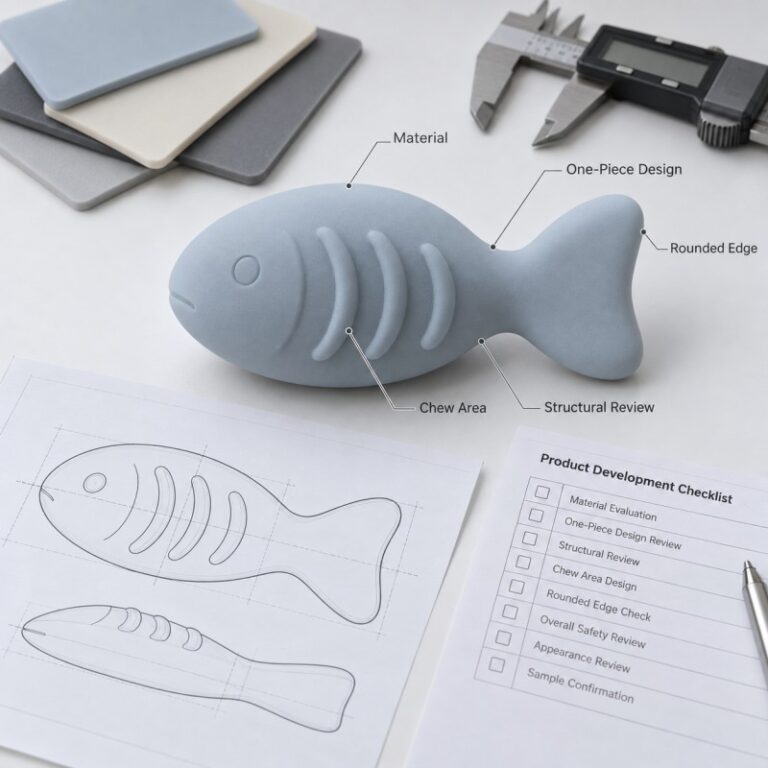
Silicone dog chew toys
-
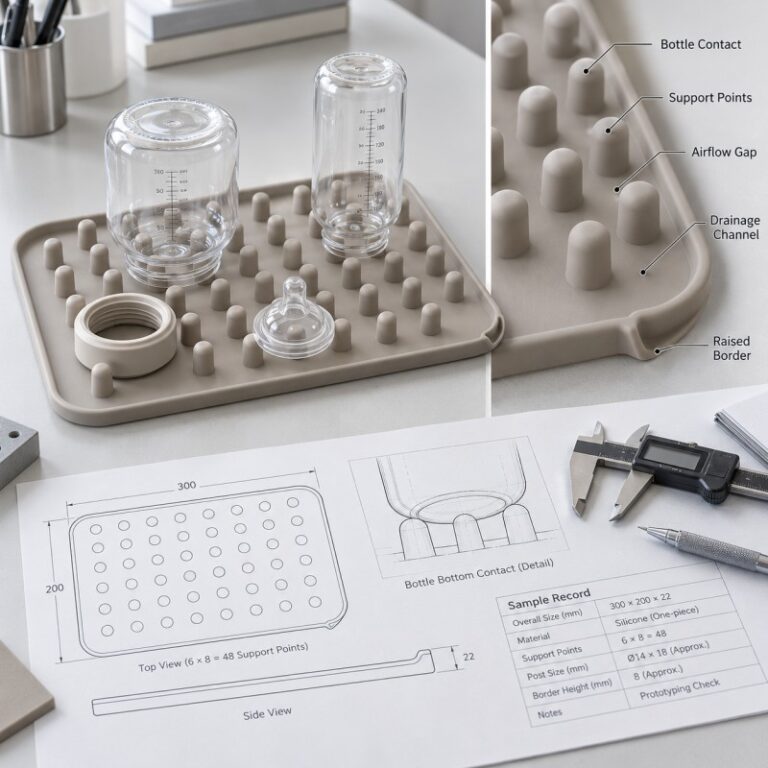
Silicone slow-feeding mats
-
Food-grade silicone pet bowls and water bowls


Frequently Asked Questions (FAQ)
Q1: Is silicone really safer than plastic for pet products?
A: Yes. Food-grade silicone is non-toxic, chemically stable, and free from BPA and phthalates, making it safer for pets that chew, lick, or eat from the product.
Q2: Are silicone pet toys durable enough for aggressive chewers?
A: High-quality silicone offers excellent elasticity and tear resistance. While no material is completely indestructible, silicone is significantly safer and more durable than standard plastic.
Q3: Can silicone pet products be sterilized?
A: Yes. Most food-grade silicone products can be boiled, steam-sterilized, or cleaned in dishwashers without performance degradation.
Q4: What is the difference between LSR and traditional silicone?
A: LSR (Liquid Silicone Rubber) is injection-molded, offering higher precision, cleaner production, and better consistency—ideal for premium and large-scale manufacturing.
Q5: Does LYA Silicone support small trial orders?
A: Yes. We support prototyping, small trial orders, and scalable mass production to help brands test and launch products efficiently.
Contact Information
LYA Silicone – Your Trusted Silicone OEM Partner
-
 Email: sale11@lyasilicone.com
 -
 Phone: +86-13420974883
 -
 Website: www.lyasilicone.com