 English
  French
  German
  Spanish
  Polish
  Chinese
  Japanese
  Korean
  Russian
 Contents
A Material Science Perspective on Why Choosing the Right Silicone Manufacturer Matters
Silicone baby products—such as pacifiers, teethers, bottle brushes, and feeding utensils—are widely recognized for their safety, flexibility, and durability. As global regulations and consumer awareness continue to rise, food-grade and medical-grade silicone has become the preferred material for infant care products.
However, an important question is often overlooked by brands, importers, and distributors:
Do silicone baby products age—and if so, how can you identify the risks?
The reality is that silicone is highly durable, but not immune to aging. When aging occurs, it may introduce safety, compliance, and brand reputation risks—especially if the product was not manufactured with proper material control and processing standards.
1. What Is Silicone Aging? More Than Just “Getting Hard”
From a materials engineering standpoint, silicone aging refers to gradual changes in the polymer structure caused by:
-
Repeated high-temperature sterilization
-
Long-term exposure to UV light
-
Chemical reactions with detergents or food acids
-
Residual low-molecular-weight siloxanes due to improper curing
2. Six Key Risk Signals of Aging Silicone Baby Products
1️⃣ Sticky or Oily Surface Feel
Scientific explanation:
Low-quality silicone may contain excess silicone oil or unreacted oligomers that migrate to the surface over time.
Potential risks:
-
Increased attraction of dust and bacteria
-
Failure to meet FDA or LFGB food-contact standards
-
Reduced consumer trust and higher complaint rates
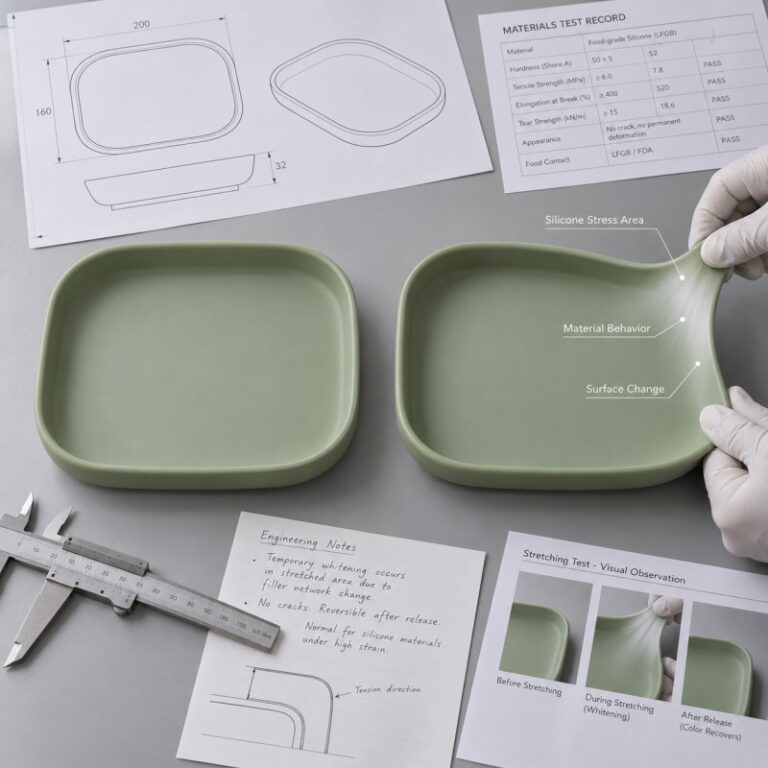
2️⃣ Whitening, Fogging, or Surface Powdering
Scientific explanation:
Insufficient crosslink density in silicone leads to structural fatigue under repeated heat sterilization.
Potential risks:
-
Reduced mechanical strength
-
Micro-surface defects that harbor bacteria
-
Shortened product lifespan
3️⃣ Unpleasant Odor Development
Scientific explanation:
-
Low-purity raw materials
-
Inadequate post-curing (secondary vulcanization)
-
Non-food-grade pigments or additives
Potential risks:
-
Strong negative perception by parents
-
High compliance risk in EU and North American markets
-
Increased likelihood of returns or recalls
4️⃣ Loss of Elasticity or Localized Hardening
Scientific explanation:
Thermal aging and repeated mechanical stress damage the silicone crosslink network.
Potential risks:
-
Poor sucking or chewing performance
-
Increased breakage risk
-
Failure to meet infant oral safety standards
5️⃣ Micro Cracks or Tearing
Scientific explanation:
Improper mold design combined with low fatigue-resistant silicone formulations.
Potential risks:
-
Structural failure during use
-
Potential choking hazards
-
Serious product safety liabilities
6️⃣ Poor Recovery After Cleaning or Sterilization
Scientific explanation:
Low chemical resistance to dishwashers, steam sterilizers, or detergents.
Potential risks:
-
Incompatibility with modern household use
-
Reduced repeat purchase rates
-
Damage to brand reputation
3. Why Choosing a Source Silicone Manufacturer Reduces Aging Risks
At LYA Silicone , aging resistance is engineered into silicone baby products from the very beginning.
✔ Raw Material Control
-
FDA / LFGB / BPA-free certified silicone
-
Strict limits on low-molecular residues and fillers
✔ Manufacturing Process
-
Precision LSR or solid silicone molding
-
Mandatory post-curing to remove volatiles
-
Optimized mold venting and stress distribution
✔ Testing & Validation
-
High-temperature aging tests
-
Tensile and fatigue resistance tests
-
Odor migration and cleaning stability evaluations


4. Silicone Baby Products Designed for Long-Term Safety & Durability
With a focus on aging resistance and regulatory compliance, LYA Silicone provides OEM/ODM manufacturing for:
-
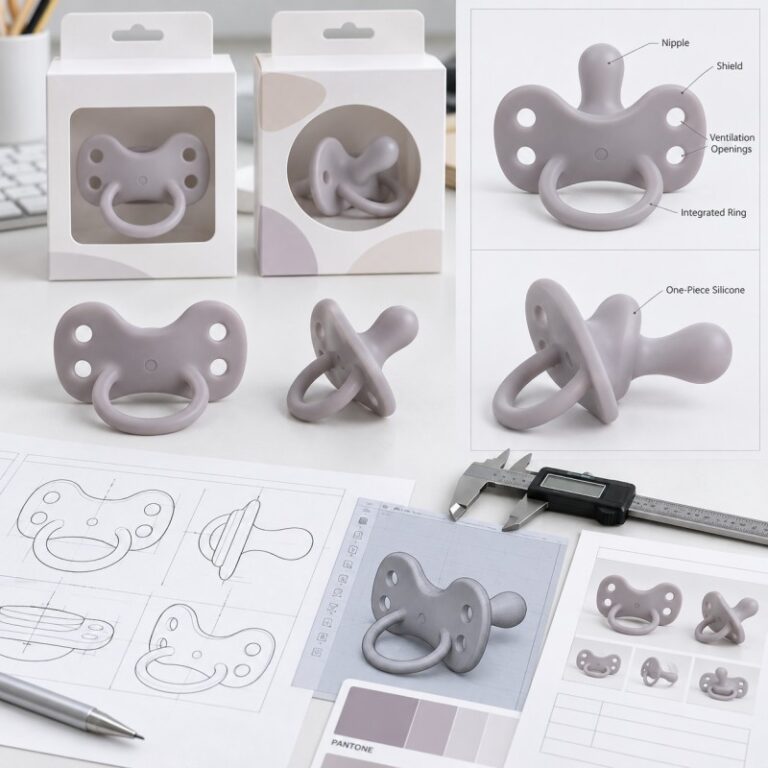
👶 Silicone pacifiers & soothers
-
🦷 Baby silicone teethers
-
🍼 Silicone bottle brushes & nipple brushes
-
🥄 Silicone baby feeding utensils
-
🧼 High-temperature sterilizable silicone accessories


Conclusion
Silicone does age—but quality silicone ages safely.
For baby product brands, choosing the right silicone source manufacturer is essential to product safety, regulatory compliance, and long-term brand success.
👉 Learn more about our silicone baby product solutions at
- Email: sale11@lyasilicone.com
- Phone: +86-13420974883
- Website: www.lyasilicone.com