 English
  French
  German
  Spanish
  Polish
  Chinese
  Japanese
  Korean
  Russian
 Contents
A Scientific & Manufacturing Perspective for Global Baby Brands
In the baby products industry, high-temperature sterilization safety is one of the most critical concerns for brand owners, importers, and distributors.
Whether it is silicone baby bottles, teething toys, nipples, or feeding accessories, these products must repeatedly withstand boiling water, steam sterilizers, and high-temperature disinfection cabinets throughout their service life.
This leads to a key question frequently asked by B2B buyers:
How many times can silicone baby products be safely sterilized at high temperatures?
Is higher price always equal to better durability? What is the real scientific basis behind it?
1. What Really Determines Sterilization Durability?
It’s Not “How Many Times”, but the Silicone Material System
From a material science perspective, not all silicone is created equal. The ability to withstand repeated high-temperature sterilization depends mainly on the following factors:
| Silicone Type | Typical Applications | Continuous Heat Resistance |
|---|---|---|
| Standard Solid Silicone | Industrial parts | -40°C to 200°C |
| Food-Grade Silicone | Baby products | -40°C to 220°C |
| Medical-Grade LSR (Liquid Silicone Rubber) | Premium baby & medical products | -40°C to 250°C |
2. Laboratory Data: How Many Times Can Silicone Really Be Sterilized?
🔬 Standard Industry Test Conditions:
-
Sterilization method: 100°C boiling water or steam
-
Duration per cycle: 5–10 minutes
-
Natural cooling after sterilization
-
No mechanical stretching during testing
📊 Test Results (Based on Qualified Food-Grade / Medical-Grade Silicone):
-
300–500 sterilization cycles
No significant change in appearance, elasticity, odor, or structure -
500–800 cycles
Minor surface haze or hardness variation, still within safe usage range -
800+ cycles
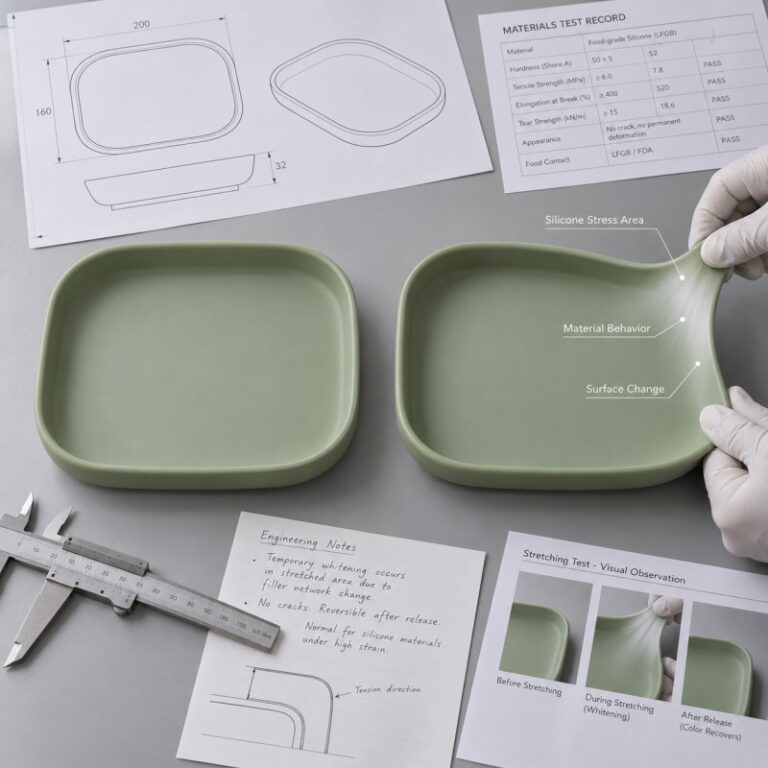
Performance depends heavily on formulation and process; low-quality silicone may show stickiness, discoloration, or degradation
✅ Conclusion:
High-quality silicone baby products can safely withstand hundreds of high-temperature sterilization cycles, far exceeding typical household or daycare usage.
3. Why Do Some Silicone Baby Products Fail After Just a Few Months?
This is not because silicone is unsuitable for sterilization, but because of manufacturing shortcuts.
Common causes of early failure include:
❌ Use of recycled or low-purity silicone
❌ Reduced crosslinking agents to cut costs
❌ Insufficient post-curing (secondary vulcanization)
❌ Poor mold design causing stress concentration
❌ Lack of aging and sterilization cycle testing
At LYA Silicone, every baby silicone product must pass:
-
High-temperature aging tests
-
Repeated boiling and steam sterilization cycle tests
-
Tensile strength and elastic recovery testing
-
Odor and volatile substance analysis
4. From a Manufacturing Perspective: What Makes Silicone Truly Sterilization-Resistant?
✅ Key Processes That Define Long-Term Durability
Within the baby product manufacturing system at www.lyasilicone.com, we strictly control:
-
Precision LSR injection molding for uniform molecular structure
-
Automated material dosing systems to eliminate human error
-
Complete post-curing processes to improve thermal stability
-
Low-volatility formulations to prevent odor after sterilization
-
Optimized mold design to reduce fatigue and stress cracking
5. What Does “Sterilization Durability” Mean for B2B Buyers?
For brand owners, importers, and distributors, sterilization resistance directly impacts:
-
✅ Customer complaint rates
-
✅ Regulatory compliance and recall risks
-
✅ Long-term brand reputation
-
✅ Market positioning in premium regions (EU, North America, Japan)
6. Why More Baby Brands Choose LYA Silicone
-
Focus on baby,Pet, and food-grade silicone products
-
Expertise in LSR injection molding and silicone overmolding
-
Full OEM / ODM / custom mold development support
-
Strong understanding of EU & US regulatory requirements


Recommended Silicone Baby Products from LYA Silicone
Designed for Repeated High-Temperature Sterilization
🍼 1. Silicone Baby Bottles
Silicone Baby Bottle Manufacturing
-
Breast-like design to reduce nipple confusion
-
Wide-neck structure for easy cleaning
-
Safe for boiling, steam sterilizers, dishwashers, and microwaves
-
Made from food-grade silicone materials
-
High-temperature resistance up to approx. 180°C (bottle body)
-
Designed for repeated sterilization without deformation

🧸 2. Silicone Teething Toys
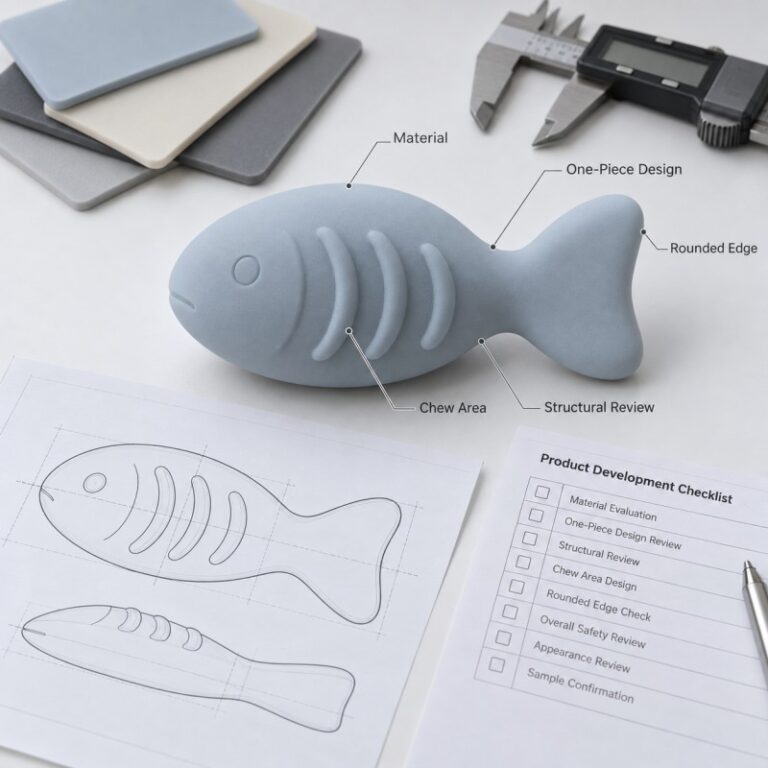
Chewable Silicone Teethers
-
Made from 100% food-grade silicone
-
BPA-free, phthalate-free, and non-toxic
-
Soft yet resilient for teething babies
-
Odorless after repeated boiling or steam sterilization
-
Custom colors, shapes, and branding available

🪥 3. Silicone Teether Toothbrush
Baby Teether Toothbrush
-
Combines teething relief and oral cleaning
-
Ultra-soft silicone bristles, gentle on gums
-
Customizable size, shape, color, and logo
-
OEM & ODM services supported
🍽️ 4. Silicone Baby Feeding Sets
Silicone Bowls & Spoon Sets
-
Designed for the baby complementary feeding stage
-
Heat-resistant, dishwasher-safe, and sterilizer-safe
-
Color and packaging customization available
-
Ideal for building full baby feeding product lines
FAQ – Silicone Baby Products & High-Temperature Sterilization
Q1: Can silicone baby products be sterilized daily?
Yes. High-quality food-grade and medical-grade silicone is designed for frequent sterilization.
Q2: Is whitening or stickiness after sterilization normal?
No. This usually indicates low-quality materials or improper manufacturing processes.
Q3: Is steam sterilization more damaging than boiling?
Steam sterilization operates at higher temperatures (~120°C). Premium LSR silicone is designed to handle this long-term.
Q4: How long do silicone baby products typically last?
With proper use and cleaning, high-quality silicone products can last 1–2 years or more, depending on frequency of use.
Q5: Can LYA Silicone provide test reports and certifications?
Yes. We support FDA, LFGB, RoHS, REACH, and other required compliance documentation.
Looking for a reliable silicone manufacturer? Explore durable silicone baby products from LYA Silicone.