 English
  French
  German
  Spanish
  Polish
  Chinese
  Japanese
  Korean
  Russian
 Contents
As the global pet care market continues to expand, silicone pet products are rapidly becoming a key differentiator for brands seeking safer, more durable, and eco-friendly solutions.
So the real question is: How can you build a competitive, scalable silicone pet product line from scratch?
This guide provides a complete, factory-oriented roadmap—covering market trends, material science, product development, and supply chain strategy—tailored for B2B buyers. We’ll also reference trusted manufacturers like LYA Silicone Official Website to help you bring your ideas to life efficiently.

1. Why Choose Silicone for Pet Products? (Market + Science)
1.1 Proven Safety & Material Stability
Food-grade silicone is widely used in baby products and medical applications due to its:
- BPA-free and non-toxic composition
- High thermal resistance (-40°C to 230°C)
- Anti-bacterial surface properties
- Soft, flexible texture that reduces injury risk
👉 Scientific basis:
Silicone is primarily composed of silicon dioxide (SiO₂), a chemically stable compound that does not react with water or most chemicals—making it ideal for long-term pet contact.
1.2 Sustainability Advantage
Eco-conscious consumers—especially in the US and Europe—are driving demand for:
- Reusable alternatives to plastic
- Long lifecycle materials
- Compliance with FDA / LFGB standards
1.3 Unlimited Customization Potential
Silicone offers unmatched flexibility for product innovation:
- Custom colors (Pantone matching)
- Adjustable hardness (Shore A 10–80)
- Complex shapes via molding
- Surface finishing (spray coating, silk printing, laser engraving)
2. Trending Silicone Pet Products (2026 Insights)
Based on export data and industry demand, these categories are growing fast:
2.1 Outdoor & Travel Essentials
- Silicone Collapsible pet bowls
- Silicone Portable feeding bottles
- Silicone Travel kits

2.2 Feeding & Health Products
- Silicone Slow feeder bowls
- Silicone lick mats
- Silicone Anti-slip feeding mats
👉 Scientific insight:
Slow feeding helps reduce bloating and improves digestion by controlling eating speed.
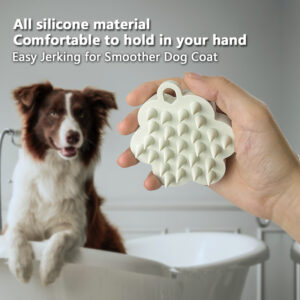
2.3 Silicone Pet Grooming & Silicone Pet Cleaning Tools
- Silicone bath brushes
- Silicone Deshedding tools
- Silicone Massage grooming pads
2.4 Smart + Functional Components
- Silicone overmolded GPS trackers
- Waterproof sealed electronic housings
- Smart collar components
👉 These require advanced processes like LSR overmolding and deliver higher profit margins.
3. Step-by-Step Product Development Process
Step 1: Define Your Market Positioning
Ask yourself:
- Target market: US, EU, or Japan?
- Price positioning: Premium or mass-market?
- Core value: Sustainability, design, or functionality?
Step 2: Build a Product Line Strategy
Use the “1 + N” model:
- 1 Hero product (traffic driver)
- N complementary products (increase AOV)
Example lineup:
- Silicone Collapsible bowl (Hero)
- Silicone Lick mat
- Silicone Grooming brush
- Silicone Travel feeding set
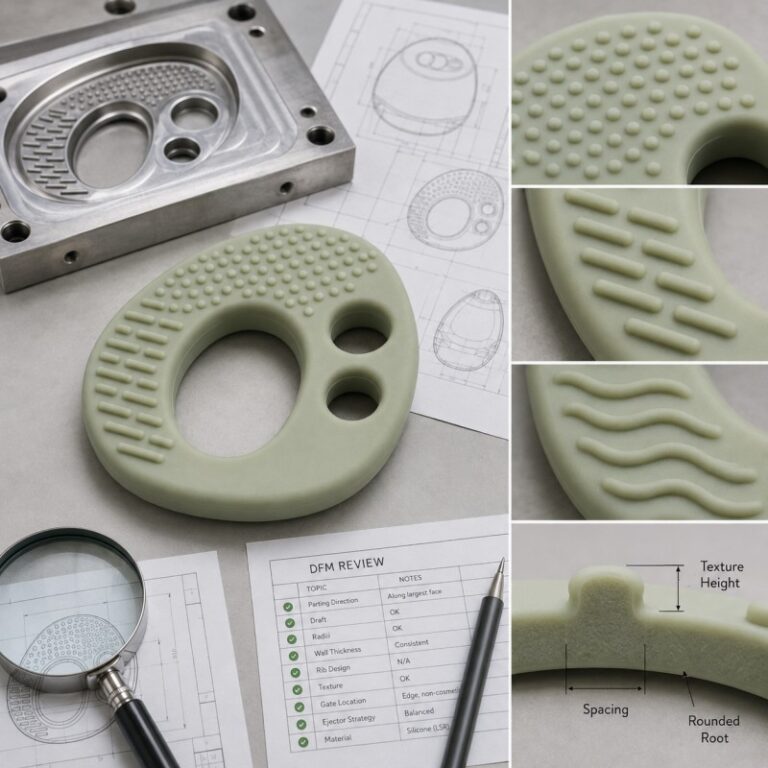
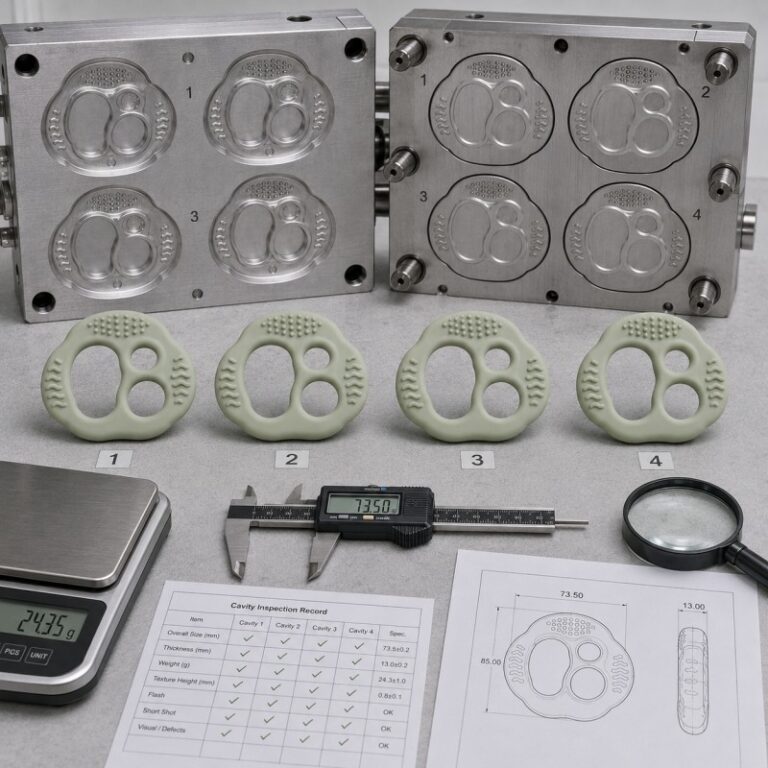
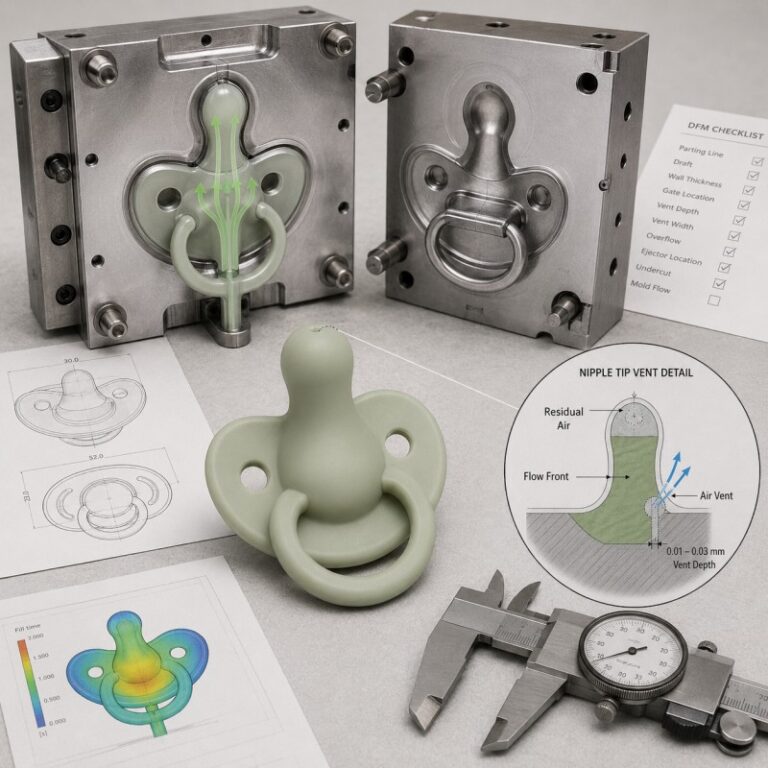
Step 3: Industrial Design & Prototyping
Working with an experienced manufacturer like LYA Silicone Official Website gives you:
- 3D CAD design support
- Structural optimization
- Mold feasibility analysis
- Fast prototyping (3–7 days)
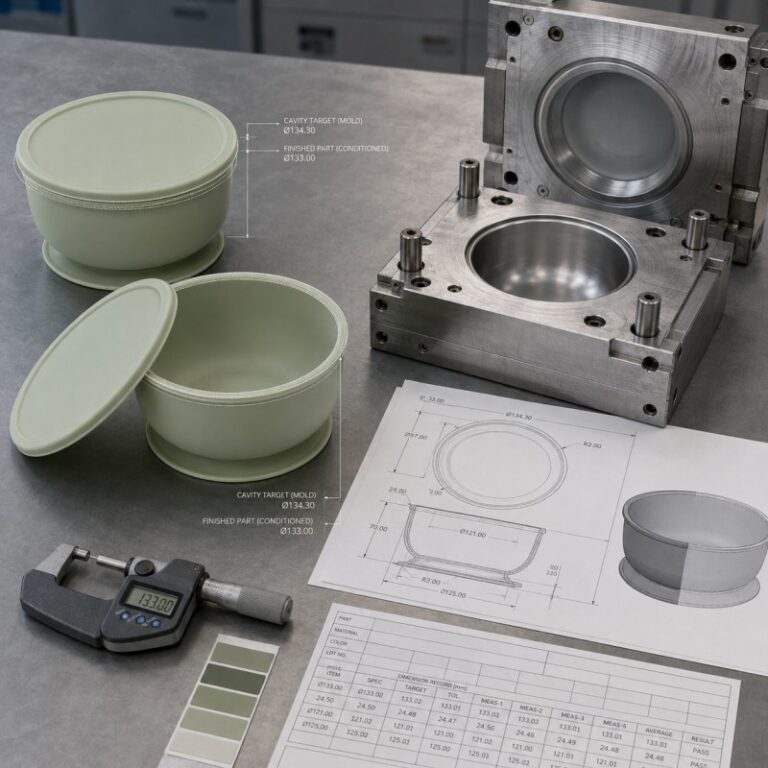
Step 4: Material & Process Selection
Silicone Types:
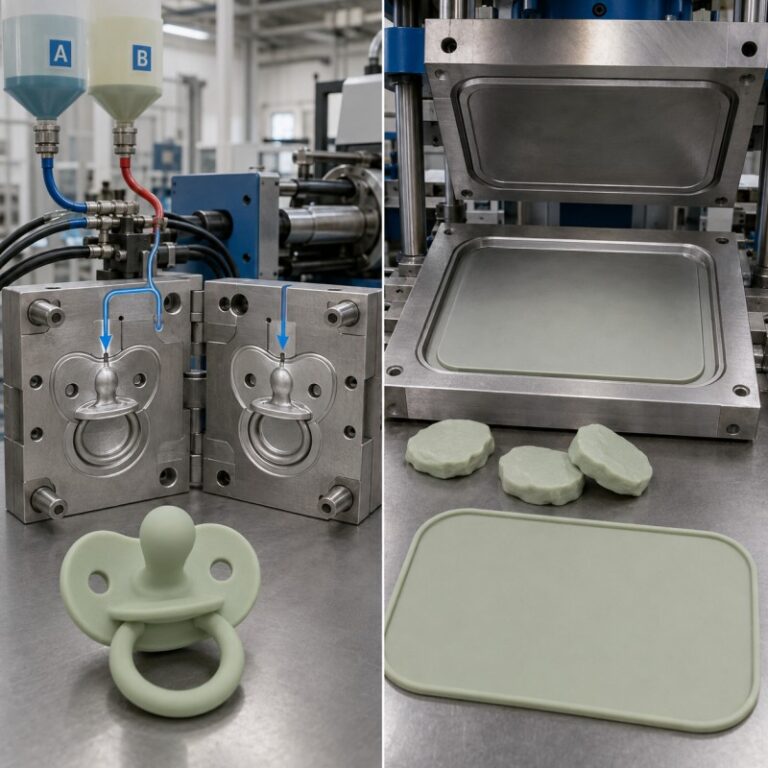
- Solid silicone (compression molding)
- Liquid Silicone Rubber (LSR injection)
👉 LSR advantages:
- Higher precision
- Ideal for complex and waterproof designs
Manufacturing Processes:
- Single-color / multi-color molding
- Silicone + plastic overmolding
- Waterproof sealing structures
👉 Best for smart pet devices and premium accessories.
Step 5: Certifications & Compliance
To enter Western markets, ensure compliance with:
- FDA (USA food-grade standard)
- LFGB (German safety standard)
- REACH / RoHS
tep 6: Mass Production & Quality Control
Key factors:
- MOQ (Minimum Order Quantity)
- Lead time
- QC systems (IQC / IPQC / OQC)
👉 Choose suppliers with:
- In-house tooling workshop
- Automated production lines
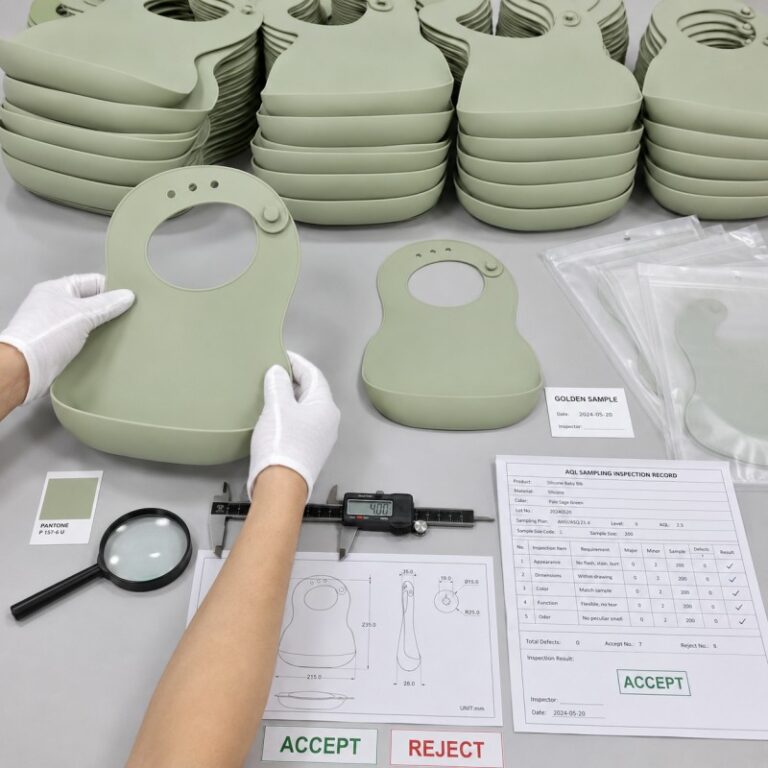
- ISO-certified quality systems
4. Why Work with a Professional Silicone OEM Manufacturer?
For example, LYA Silicone Official Website offers:
✔ One-Stop OEM/ODM Service
From concept → design → tooling → production → packaging
✔ Cross-Industry Expertise
- Pet products
- Baby care
✔ Advanced Manufacturing Capabilities
- LSR injection molding
- Silicone overmolding
- Waterproof structural engineering
✔ Flexible Customization
- Low-volume trial production
- Private mold development
- Branding & packaging support
6. FAQ (Frequently Asked Questions)
Q1: What is the typical MOQ for custom silicone pet products?
A: Usually 1,000–3,000 units depending on product complexity.
Q2: How long does product development take?
A:
Design & prototyping: 7–15 days / Tooling: 15–25 days / Mass production: 20–30 days
Q3: Are silicone pet products really safe?
A: Yes—when made from food-grade silicone and certified by FDA/LFGB, they are among the safest materials available.
Q4: Can I customize logo and packaging?
A: Absolutely. Options include:
- Logo embossing / printing / laser engraving
- Custom retail packaging / e-commerce packaging
Q5: How can I reduce development risk?
A: Start with small batch production / Choose experienced OEM manufacturers / Launch validated products first (e.g., collapsible bowls)
Contact Information
LYA Silicone – Your Trusted Silicone OEM Partner,
-
 Email: sale11@lyasilicone.com
 -
 Phone: +86-13420974883
 -
 Website: www.lyasilicone.com
 - Whatsapp:+86 19925429095