 English
  French
  German
  Spanish
  Polish
  Chinese
  Japanese
  Korean
  Russian
 Contents
Introduction
Reusable food storage products are becoming more important for outdoor, travel, lunch packing, camping, and daily lifestyle brands. Compared with rigid plastic containers, a silicone collapsible lunch box can save space, improve portability, and create a softer, more premium user experience.
For B2B buyers, developing a custom silicone collapsible lunch box is not only about choosing a foldable shape. Brands also need to evaluate food-grade material, wall thickness, lid sealing, folding durability, color design, logo placement, packaging structure, and mass production stability.
This guide explains what outdoor and food storage brands should consider before starting a custom silicone collapsible lunch box project.
Answer Excerpt
Custom silicone collapsible lunch box manufacturing is the OEM/ODM process of producing foldable food storage containers using food-grade silicone. Brands can customize the size, capacity, folding structure, lid design, Pantone color, logo, packaging, and product combination. Before sampling or bulk production, buyers should confirm the target user, food-contact requirements, sealing performance, folding durability, MOQ, packaging method, and sales channel.
Transition Paragraph
A collapsible lunch box may look simple, but the product structure directly affects user experience. If the silicone wall is too soft, the box may collapse during use. If it is too thick, it may become heavy and difficult to fold. If the lid structure is not tested properly, leakage, deformation, or poor fitting may affect reviews and repeat orders.
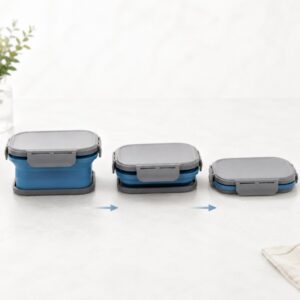
People Also Ask: What is a custom silicone collapsible lunch box?
A custom silicone collapsible lunch box is a foldable food container made from food-grade silicone and developed for a brand’s target market. It can be used for lunch packing, camping, hiking, office meals, school food storage, travel, outdoor activities, and reusable food storage programs.
Unlike standard rigid containers, the foldable silicone body can be compressed after use. This makes the product easier to store in backpacks, kitchen drawers, picnic bags, travel kits, and outdoor gear sets.
For B2B buyers, this product is suitable for outdoor brands, food storage brands, lunch box brands, promotional gift suppliers, supermarket channels, Amazon sellers, Shopify brands, distributors, and private label lifestyle product companies.
Many brands also combine collapsible lunch boxes with other silicone outdoor products to build a complete portable product line.
People Also Ask: Why do brands choose silicone for collapsible lunch boxes?
Brands choose silicone because it is flexible, reusable, soft-touch, and suitable for foldable food storage designs. Compared with hard plastic, silicone is easier to compress and recover, making it ideal for space-saving containers.
Food-grade silicone can also support a clean and modern product appearance. For lifestyle products, this matters because customers often care about color, touch feeling, storage convenience, and easy cleaning.
For brands, silicone collapsible lunch boxes can be positioned as:
- Reusable food storage containers
- Outdoor camping lunch boxes
- Travel food containers
- Office meal prep boxes
- School lunch containers
- Eco-friendly promotional gifts
- Private label kitchenware
- Portable lifestyle accessories
A successful product should balance softness, structural support, lid fit, folding life, user comfort, and retail presentation.
People Also Ask: What structure should buyers consider before mold development?
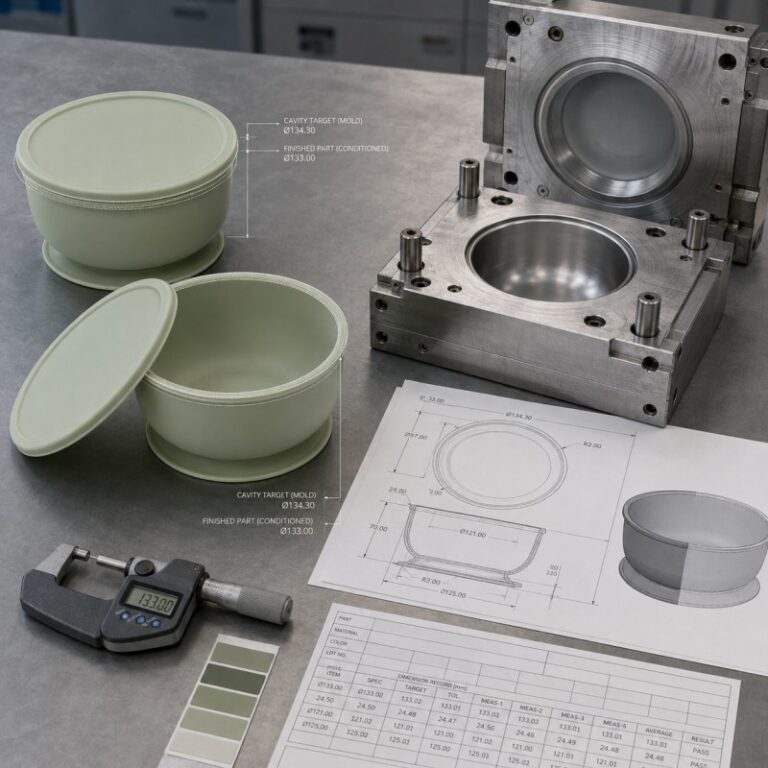
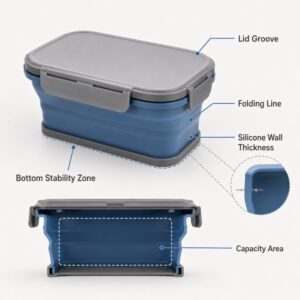
The structure of a silicone collapsible lunch box should be planned before mold development. A small change in wall thickness, folding line, lid groove, or rim design may affect the final product performance.
Important structure details include:
Custom silicone collapsible lunch box folding line design
The folding line controls how smoothly the lunch box collapses. If the folding line is too thin, the product may feel weak. If it is too thick, the box may be difficult to compress.
Wall thickness
Wall thickness affects stability, hand feel, weight, and cost. A lunch box needs enough strength to hold food, but it should still fold easily after use.
Lid sealing area
The lid should fit the silicone body properly. For some designs, a plastic lid may be used. For other designs, a silicone lid can create a softer and more flexible product style.
Bottom stability
The base should remain stable when food is placed inside. If the base is too soft, the product may wobble or deform during use.
Capacity and size
Common design decisions include single-compartment, multi-compartment, rectangular, round, square, or nested structures. The best choice depends on the sales channel and target user.
People Also Ask: How can brands customize a silicone collapsible lunch box?
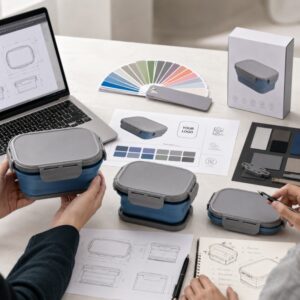
Customization is the main reason B2B buyers choose OEM/ODM silicone manufacturing. A factory can help brands adjust the product structure, appearance, capacity, color, packaging, and logo presentation according to the target market.
Common customization options include:
- Custom size and capacity
- Rectangular, round, square, or multi-compartment structure
- Pantone color matching
- Logo engraving on the silicone body
- Logo printing on the lid or packaging
- Silicone lid or plastic lid option
- Foldable height adjustment
- Matte or smooth surface finish
- Custom packaging box
- Barcode, label, and instruction insert
- Product set development with cup, straw cap, bottle cover, or travel bottle
For outdoor or travel brands, the lunch box can also be developed as part of a silicone travel set.
People Also Ask: What should buyers confirm before sampling?
Before sampling, buyers should prepare clear project information. This helps the supplier evaluate mold feasibility, unit price, sampling time, packaging cost, and production risk more accurately.
Buyers should confirm:
- Target market
- Product size
- Capacity requirement
- Lid material
- Food-contact requirement
- Folded height
- Open height
- Color quantity
- Logo method
- Packaging style
- Estimated order quantity
- Certification requirement
- Sales channel
- Whether the product needs to be part of a larger set
If the buyer already has a sample, 3D drawing, or reference product, the factory can evaluate the structure more quickly. If the buyer only has a concept, the project can start from product positioning, target price, capacity plan, and packaging direction.
LYA Silicone provides OEM and ODM support for silicone product development, including material selection, mold development, production, testing, and packaging support.
People Also Ask: What quality risks should brands avoid?
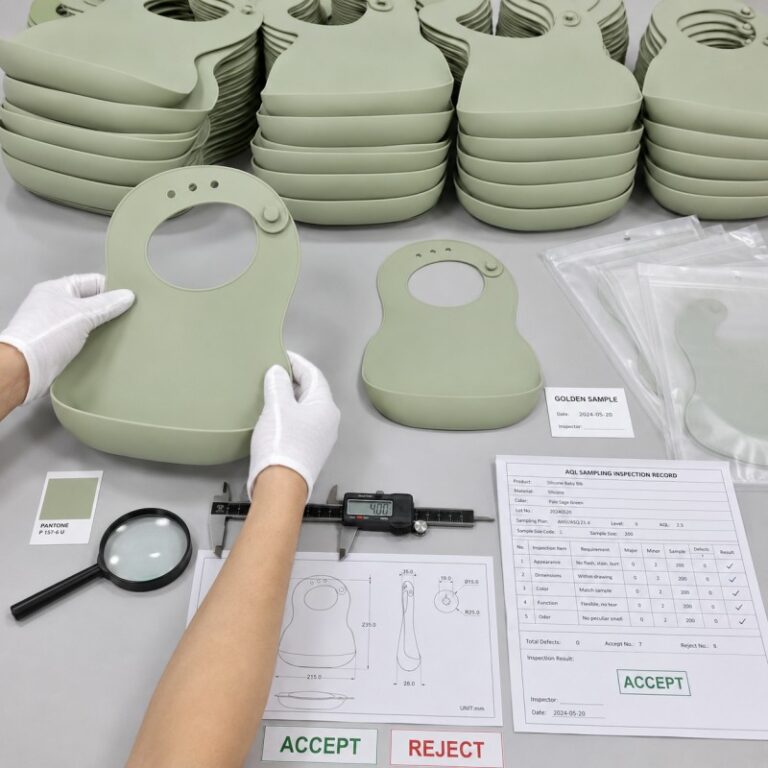
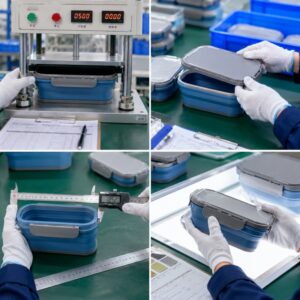
A silicone collapsible lunch box needs more than a good appearance. The product should remain stable after repeated folding, cleaning, packing, and daily use.
Common quality risks include:
Weak folding durability
If the folding structure is not designed well, the product may deform or lose its original shape after repeated use.
Poor lid fitting
If the lid is too loose, users may worry about leakage. If the lid is too tight, it may be difficult to open and close.
Unstable base
A soft base may affect food storage and user confidence. The bottom should be stable enough for normal use.
Color inconsistency
For retail brands, color consistency is important. Different batches should follow the approved color standard as closely as possible.
Odor or surface defects
A strong smell, sticky surface, rough edge, or visible defect can reduce buyer trust and increase return risk.
Packaging damage
For e-commerce and retail channels, packaging should protect the product during transportation and still look clean when customers receive it.
People Also Ask: How can a silicone lunch box become a stronger retail product?
To make a silicone lunch box more competitive, brands should not only focus on the container itself. They should think about the full retail offer.
A stronger product plan may include a lunch box, collapsible cup, straw cap, bottle cover, travel bottle, or carry bag. This can help brands create a complete outdoor food storage or travel lifestyle collection.
For private label brands, packaging also matters. A clean box design, product instruction, use scenario image, barcode label, and clear material information can improve the product’s perceived value.
The final goal is to make the product easy to understand, easy to use, easy to store, and easy to sell.
FAQ
Q1: Can the silicone collapsible lunch box be customized with our brand logo?
Yes. The logo can usually be engraved on the silicone body, printed on the lid, or added to the packaging. The best method depends on the product surface, color, order quantity, and brand style.
Q2: Can we choose custom colors?
Yes. Brands can use Pantone colors or provide physical color samples. For retail product lines, it is better to create a coordinated color system instead of choosing random colors.
Q3: Can the lunch box be made with multiple compartments?
Yes. Multi-compartment designs can be developed, but the mold structure, folding performance, lid fit, and production cost should be evaluated before development.
Q4: Can we start with an existing mold?
Yes. Existing molds can reduce development cost and shorten sampling time. Custom molds are better for brands that need exclusive shapes, unique capacity, or special structural design.
Q5: What information should we send for quotation?
Buyers should send the size, capacity, lid type, color, logo requirement, packaging style, estimated quantity, target market, and reference photos or drawings. If samples are available, they can help the factory evaluate the project more accurately.
Conclusion
Custom silicone collapsible lunch box manufacturing is a practical opportunity for outdoor, travel, food storage, and lifestyle brands. The product combines reusable value, space-saving design, soft silicone touch, and private label customization potential.
For B2B buyers, the most important step is to define the product structure before mold development. Size, wall thickness, folding line, lid fit, capacity, material, color, packaging, and quality inspection should all be considered before sampling and bulk production.
LYA Silicone supports custom silicone product development for baby, pet, outdoor, educational, household, and lifestyle brands. If you are developing a custom silicone collapsible lunch box or a complete outdoor silicone product line, you can send your product idea, drawings, samples, quantity, and packaging requirements to Contact LYA Silicone for project evaluation.