 English
  French
  German
  Spanish
  Polish
  Chinese
  Japanese
  Korean
  Russian
 Contents
In recent years, silicone baby products have gained immense popularity due to their durability, safety, and versatility. However, concerns about impurities within silicone materials have sparked widespread misconceptions. As industry leaders committed to transparency and safety, we aim to debunk these myths, providing detailed insights into the manufacturing processes, safety standards, and scientific evidence surrounding impurities in silicone baby products.
Understanding the truth behind these common misconceptions is essential for parents, caregivers, and industry professionals to make informed decisions that prioritize child safety and product quality.

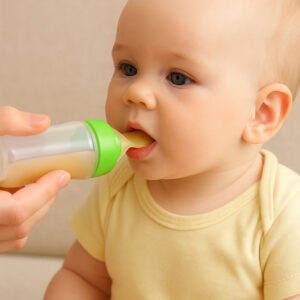


Myth 2: Impurities in Silicone Are the Cause of Allergic Reactions in Babies
Fact: Allergic Reactions Are Rare and Usually Due to Other Factors
Many parents worry that impurities in silicone might cause allergic reactions. While allergic responses are possible, they are extremely rare with certified silicone products. Most adverse reactions are attributed to allergies to other materials or sensitivities to additives used in manufacturing, such as colorants or flavorings.
Pure, medical-grade silicone is hypoallergenic and resistant to bacteria. It is not known to cause allergic dermatitis or respiratory issues. When manufactured properly, impurities are not present in quantities sufficient to trigger immune responses.
Clinical evidence supports that well-regulated silicone products are safe and unlikely to provoke allergies, making them a safe choice for even the most sensitive infant.
Myth 3: Impurities in Silicone Can Leach Into Food and Harm Infants
Fact: Properly Manufactured Silicone Does Not Leach Harmful Substances
A common concern is that impurities in silicone could leach into food or liquids, posing health risks to infants. This fear is understandable, but scientific testing and regulatory standards have demonstrated that high-quality silicone is stable and resistant to leaching.
Leaching of potentially harmful substances from silicone occurs only if the material contains excess residual chemicals or improper additives. Certified silicone products undergo comprehensive testing for migration limits, ensuring that any residuals are well below safety thresholds.
Moreover, FDA-approved and ISO-compliant silicone products are subjected to migration testing under various conditions, including high temperatures and acidic environments, simulating real-world use. The results consistently show no significant leaching of harmful substances.
Myth 4: Impurities Cannot Be Detected or Controlled in Silicone Manufacturing
Fact: Advanced Testing Techniques Ensure Impurity Control
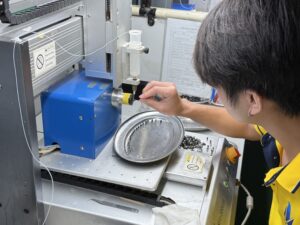
Many believe that impurities in silicone are invisible, undetectable, and uncontrollable. In reality, modern analytical techniques such as gas chromatography-mass spectrometry (GC-MS), inductively coupled plasma mass spectrometry (ICP-MS), and infrared spectroscopy enable precise detection of even trace impurities.
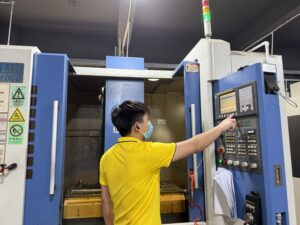
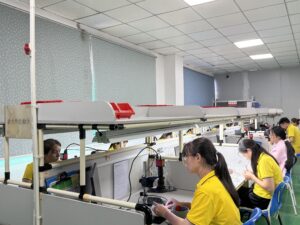
Manufacturers employ state-of-the-art quality control measures, including raw material testing, in-process inspections, and final product analysis. These ensure that impurity levels are strictly maintained within regulatory limits.
ISO 10993 standards for biocompatibility require comprehensive testing for toxicity, sensitization, and irritation, further reducing risks associated with impurities.
Myth 5: Cheaper Silicone Products Are Safer Because They Contain Fewer Impurities
Fact: Price Does Not Guarantee Safety or Purity
It is a myth that cheaper silicone products are necessarily safer. In fact, costly products often adhere to more stringent safety standards and utilize higher-quality raw materials. Conversely, lower-cost items might compromise on quality control, use inferior raw materials, or omit necessary testing.
Premium silicone baby products are manufactured following rigorous standards, often with certifications that attest to their purity, biocompatibility, and safety. When selecting silicone products for infants, certification labels and regulatory compliance are more reliable indicators than price alone.
Why Choose LYA Silicone
✔ Safe Materials
100% certified food-grade & medical-grade silicone.
✔ Strict Quality Control
Advanced testing (GC-MS / ICP-MS / IR) ensures purity and safety.
✔ Proven Standards
Meets FDA, LFGB, ISO 10993 biocompatibility requirements.
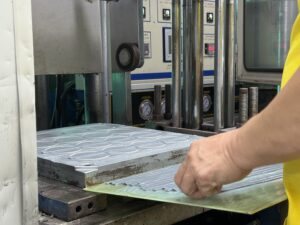
✔ Professional Manufacturing
Clean production, full traceability, stable quality.
✔ Trusted by Global Brands
Reliable, durable, and safe for babies and families.
Conclusion: Prioritizing Safety Through Knowledge and Choice
The myths surrounding impurities in silicone baby products are widely propagated but not supported by scientific evidence or regulatory standards. High-quality silicone used in baby products is meticulously manufactured, tested, and regulated to ensure minimal impurity levels, making it safe for daily infant use.
Parents and caregivers should focus on certified products from reputable brands, understanding that regulatory oversight and advanced testing methods provide robust safeguards against potential risks. By making informed choices, they can confidently provide safe, durable, and reliable silicone baby products that support their child’s health and well-being.
✅Contact us today to discuss your project:
- Email: sale11@lyasilicone.com
- Phone: +86-13420974883
- Website: www.lyasilicone.com