 English
  French
  German
  Spanish
  Polish
  Chinese
  Japanese
  Korean
  Russian
 Contents
Silicone baby products — teethers, pacifiers, bottle nipples, feeding spoons and bath toys — are popular because they’re soft, flexible and easy to clean. But when it comes to sterilization, parents and procurement teams rightly ask: Can silicone baby products be sterilized or boiled? At LYA Silicone, we design and manufacture medical-grade and food-grade liquid silicone rubber (LSR) products for infant care. This article explains the science behind silicone’s heat and chemical stability, compares common sterilization methods, outlines step-by-step safe procedures, lists caveats for mixed-material products, and answers the most common questions parents and OEM buyers ask.
Why silicone is well suited to sterilization — the science explained
-
Chemical inertness. Medical-grade silicone (platinum-cured LSR) is chemically inert and nonreactive with most household cleaners and disinfectants. That reduces the risk of toxic residues or material breakdown after repeated sterilization.
-
Thermal stability. High-quality silicone compounds maintain mechanical and dimensional stability over a wide temperature range. Typical medical-grade silicone withstands continuous use roughly between −50°C to +200°C (exact limits depend on formulation), which covers household boiling (100°C) and common autoclave cycles (121°C).
-
Low water absorption. Silicone absorbs very little water, so repeated wet-heat sterilization won’t swell or deform parts the way some polymers do.
-
Biocompatibility. Medical and food-grade silicones are formulated and cured to be biocompatible and BPA-free, making them appropriate for infant contact when produced to certified standards.
Which sterilization methods work for silicone baby products?
1. Boiling (100°C) — simple and effective
When to use: Everyday sterilization of silicone teethers, nipples, spoons, and feeding parts.
How to do it safely:
-
Clean the item with warm soapy water and rinse to remove visible dirt.
-
Place the silicone part in a pot of water (completely submerged).
-
Bring to a rolling boil for 3–5 minutes (manufacturer recommendations vary — many suppliers recommend 3–5 minutes; check product label).
-
Remove with clean tongs and place on a sanitized surface to air-dry.
Notes: Boiling is safe for most medical-grade and food-grade silicones. Avoid boiling items with embedded metal, electronics, adhesives, painted logos or wooden parts.
2. Autoclaving (steam sterilization, e.g., 121°C, 15–20 min) — clinical standard
When to use: Hospital or clinical settings; medical silicone parts that require validated sterilization.
Why it works: Autoclave uses pressurized steam at higher temperatures (commonly 121°C or 134°C) and is validated to achieve high levels of microbial inactivation.
Compatibility: Many medical-grade silicones tolerate standard autoclave cycles, but verify with the supplier — repeated high-temperature cycles can shorten lifetime for some formulations. LYA Silicone provides autoclave-rated LSR grades on request.
3. Dishwasher (high-temperature cycle) — convenient for home
When to use: Routine cleaning and sanitizing.
How: Place silicone items on the top rack and select a high-temperature sanitize cycle. Drying and heat help reduce surface microbes.
Caveat: Some dishwashers use detergent and mechanical action that may affect printed or glued decorations.
4. Chemical disinfection (bleach, diluted hydrogen peroxide, alcohol)
Common agents: Diluted household bleach (sodium hypochlorite), 3% hydrogen peroxide, 70% isopropyl alcohol, or commercial baby sterilizing solutions.
Guidance: Follow recommended concentrations and contact times. Rinse thoroughly with potable water after chemical disinfection to remove residues. Avoid prolonged exposure to strong oxidizers if the silicone contains colorants or coatings — check compatibility. Medical-grade pure silicone resists most common disinfectants.
5. UV-C sterilizers and microwave steam bags
-
UV-C boxes can be used for surface disinfection but may not penetrate crevices or internal channels; they are best as a supplementary method.
-
Microwave steam sterilization bags are commonly used for bottles and small parts; confirm the product is microwave-safe and silicone-compatible.
Step-by-step best practices (LYA recommended)
-
Clean first. Always wash with mild detergent and water to remove organic matter — sterilization is less effective on soiled items.
-
Inspect before sterilizing. Discard or replace parts with cracks, tears, hardening, or separated layers. Microbes can hide in damaged textures.
-
Follow manufacturer guidance. Some items (e.g., items with metal or electronics) are not boilable. LYA Silicone marks products suitable for boiling/autoclaving.
-
Rinse and dry. After chemical sterilization, rinse thoroughly. After wet sterilization, air-dry on a sanitized surface.
-
Storage. Store sterilized items in a clean, sealed container or drawer to prevent recontamination.
Special cautions and mixed-material products
-
Embedded metal parts (clips, springs, sensors): Do not boil or autoclave unless the entire assembly is rated for it. Metal can corrode or transfer heat in ways that damage seals.
-
Painted/printed logos, soft coatings, or glued parts: Heat and chemicals can degrade paints or adhesives; choose unprinted or laser-marked options if frequent sterilization is required.
-
Electronics (smart teethers, lights): Remove electronic modules before any wet-heat sterilization. Many silicone items are designed to separate for cleaning.
Longevity — how often should silicone baby parts be replaced?
Even though silicone tolerates sterilization, regular inspection and scheduled replacement is essential:
-
Replace at first sign of cracks, sticky surface, whitening, or tearing.
-
For high-use items (daily sterilization), consider a replacement cycle recommended by the manufacturer (commonly 6–12 months for frequently used items) or earlier if damage appears.
Why choose LYA Silicone products?
-
We provide medical-grade and food-grade LSR formulations engineered for repeated sterilization, including autoclave-compatible grades.
-
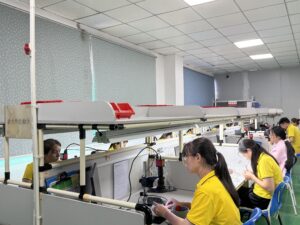
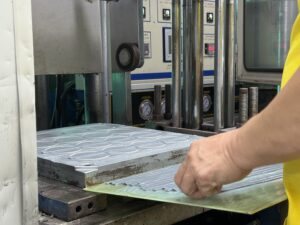
Our production follows strict quality control, cleanroom molding, and platinum cure systems to minimize residuals and improve biocompatibility.
-
Custom shapes, textured grips, and color options are available using stable pigments and post-process testing for sterilization durability.
Frequently Asked Questions (FAQ)
Q1: Can I boil a silicone baby teether every day?
A: Yes — if the teether is made from medical-grade or food-grade silicone and the product label states it is boilable. Clean before boiling and inspect regularly for damage.
Q2: Can silicone be autoclaved?
A: Many medical-grade silicones tolerate standard autoclave cycles (121°C). Confirm the silicone grade and prototype-test with your supplier. LYA offers autoclave-rated formulations.
Q3: Will boiling or dishwasher cycles make silicone yellow or brittle?
A: Pure, high-quality silicone resists yellowing and embrittlement. However, lower-grade compounds, pigments, or bonded materials may age faster. Use autoclave-rated or UV-stable grades for best results.
Q4: Is it safe to use chemical sterilizers on silicone baby products?
A: Yes, commonly used disinfectants (diluted bleach, hydrogen peroxide, alcohol) are generally compatible with medical-grade silicone. Rinse thoroughly afterward. Avoid strong oxidizers for prolonged periods unless compatibility is verified.
Q5: Can I microwave a silicone bottle nipple or teether?
A: You can use microwave steam bags designed for baby feeding accessories if the product is labeled microwave-safe. Do not microwave items with metal or electronics.
Q6: How should I sanitize silicone items used in hospitals or clinics?
A: Clinical settings typically use validated autoclave cycles or hospital-grade chemical sterilization following regulatory protocols. LYA supplies sterilizable silicone parts for medical applications with documentation on biocompatibility and sterilization compatibility.
Q7: What should I avoid sterilizing?
A: Do not boil or autoclave items containing electronics, glued wood handles, painted surfaces not rated for heat, or any parts the manufacturer explicitly labels as non-sterilizable.
📞 Contact LYA Silicone
At LYA Silicone, we specialize in medical-grade and food-grade LSR products that meet the highest safety and quality standards for babies and healthcare applications.
Whether you need custom silicone baby teethers, bottle nipples, pacifiers, or medical-grade silicone parts, our engineering team is ready to support your OEM/ODM requirements.
-
📧 Email: sale11@lyasilicone.com
-
📞 Phone: +86-13420974883
-
🌐 Website: www.lyasilicone.com