 English
  French
  German
  Spanish
  Polish
  Chinese
  Japanese
  Korean
  Russian
 Contents
Silicone baby products have surged in popularity due to their durability, flexibility, and non-toxic reputation. However, a common concern among parents is the presence of an odor—sometimes described as a chemical or plastic smell—emanating from these products. This article delves deeply into the safety of silicone baby items that smell, the science behind silicone odors, manufacturing processes, and essential tips for selecting the safest silicone products for your little one.
Understanding Silicone and Its Use in Baby Products
Silicone is a synthetic polymer made from silicon, oxygen, carbon, and hydrogen. Its versatility makes it ideal for a wide range of baby products, including pacifiers, teething toys, bottles, bibs, and utensils. Silicone’s non-reactive, hypoallergenic, and heat-resistant properties are highly valued, making it a preferred choice over plastics and rubber.
Why Do Some Silicone Baby Products Smell?
The odor associated with silicone products primarily stems from residual chemicals used during manufacturing, such as silicone oils, curing agents, or processing additives. These substances can emit volatile organic compounds (VOCs), especially when the product is new. The smell is usually mild and temporary, but in some cases, it can be more pronounced, leading to concerns about safety.
Are Smelly Silicone Baby Products Safe?
The safety of silicone baby products with a smell depends on several factors:
- Type of silicone used: Food-grade, medical-grade silicone is rigorously tested for safety and is free from harmful fillers or additives.
- Manufacturing quality: High-quality manufacturing processes minimize residual chemicals and VOCs.
- Intensity and persistence of odor: A strong or persistent smell may indicate incomplete curing or contamination.
How to Identify Safe Silicone Baby Products
Parents should prioritize safety by following these guidelines:
1. Look for Certifications and Labels
Always choose products labeled as food-grade, medical-grade, or BPA-free. Certifications from agencies like FDA, LFGB, or ISO are indicators of compliance with safety standards.
2. Examine the Manufacturing Brand and Reputation
Opt for trusted brands with transparent manufacturing processes and positive customer reviews. Brands that invest in quality control are less likely to produce products with harmful residues.
3. Check for Proper Curing and Finishing
Properly cured silicone has minimal residual chemicals. Products that are well-finished, smooth, and free of rough edges are less likely to emit odors or pose safety risks.
4. Assess the Presence and Nature of the Odor
A mild, natural silicone smell is usually harmless and diminishes over time. Persistent, chemical-like smells warrant caution and should prompt further inspection or replacement.
5. Conduct a Safe Odor Test
- Wash the product thoroughly with warm soapy water.
- Allow it to air out in a well-ventilated space for 24-48 hours.
- If the smell persists or worsens, consider discarding the item.
Impacts of Odor on Infant Health
Infants are particularly vulnerable to VOC exposure due to their developing respiratory systems. While most high-quality silicone products emit minimal VOCs, prolonged exposure to strong chemical odors can cause:
- Respiratory irritation
- Allergic reactions
- Behavioral disturbances
Best Practices for Maintaining Silicone Baby Products
1. Proper Cleaning and Sterilization
- Wash silicone items thoroughly before first use and after each use.
- Use hot water and gentle soap or boiling water for sterilization.
- Avoid harsh chemicals or abrasive scrubbers that may damage the surface and cause increased odor release.
2. Adequate Ventilation and Airing Out
- Air out new silicone products in a well-ventilated area for several days.
- Store products away from direct sunlight or heat sources that can amplify odors or degrade silicone quality.
3. Regular Replacement
- Even with proper care, replace silicone baby products every 6-12 months or if there are signs of wear, discoloration, or persistent odor
⭐ Why Choose LYA SILICONE for Baby-Grade Silicone Products?
Choosing the right manufacturer is the most important factor in ensuring your baby’s safety.
LYA SILICONE stands out because:
1. 100% Food-Grade & Medical-Grade Silicone
All raw materials are certified and sourced from top global suppliers.
Free from BPA, phthalates, PVC, fillers, and harmful additives.
2. Advanced LSR & Solid Silicone Manufacturing
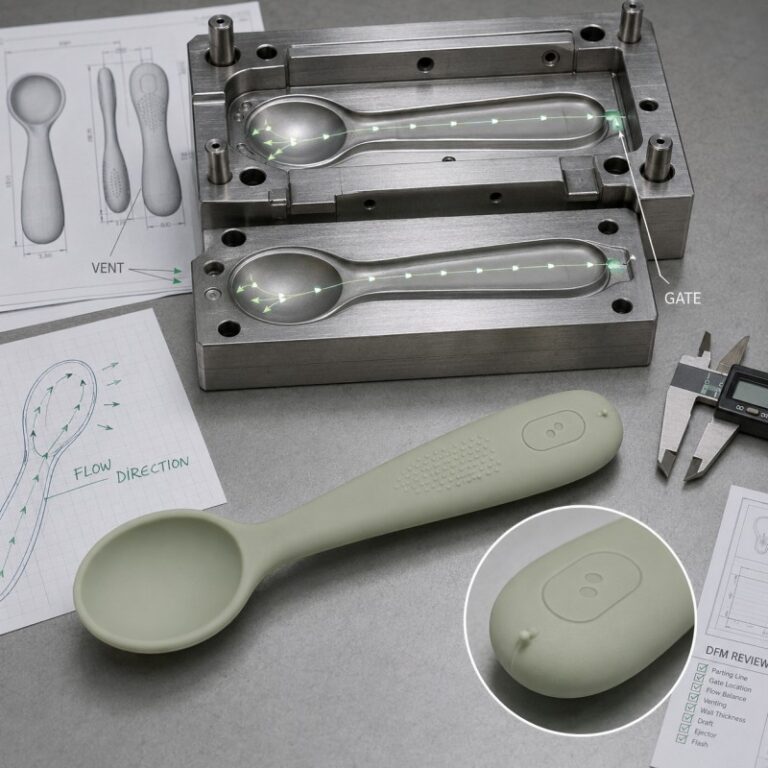
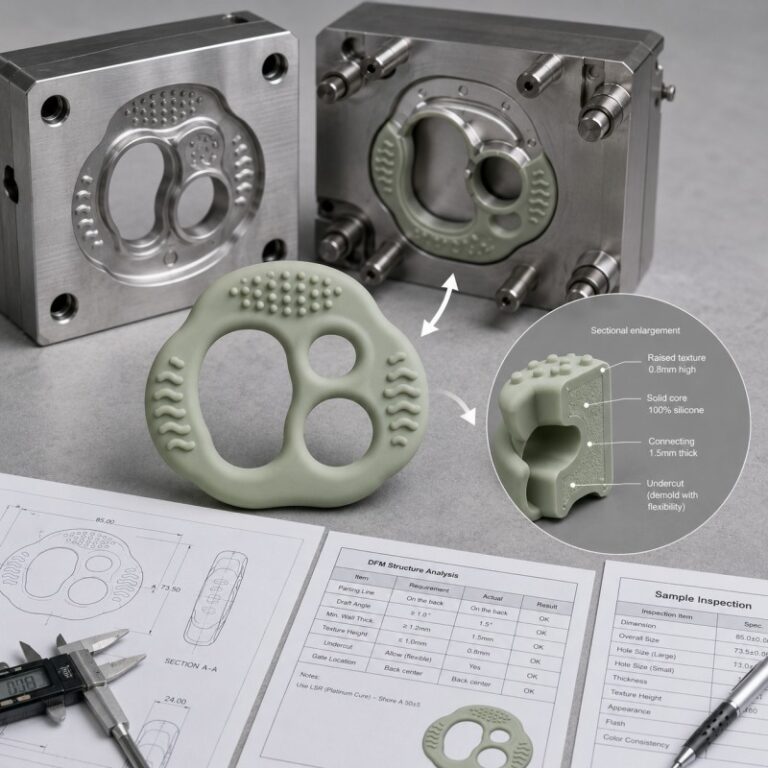
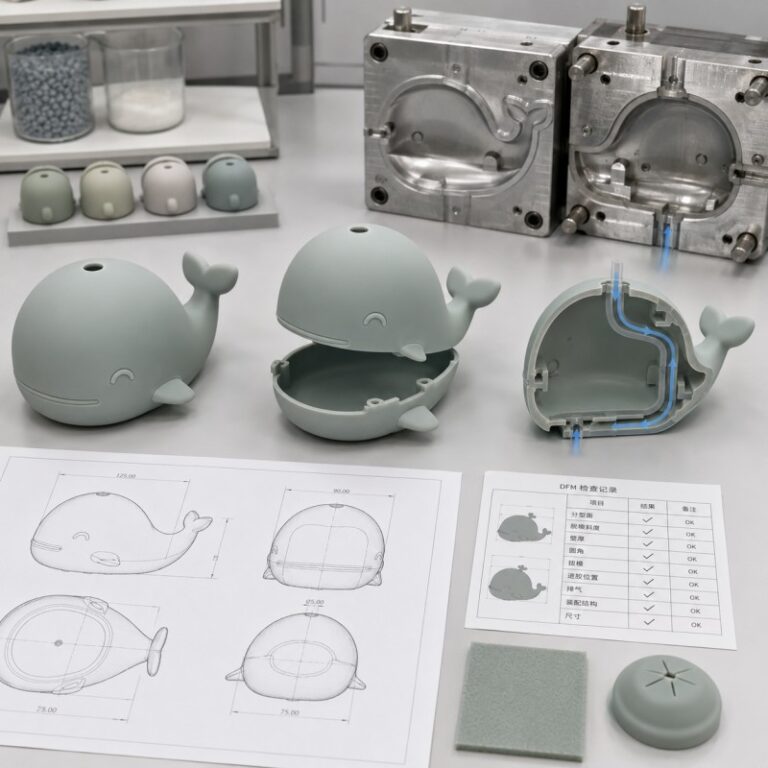
We use LSR injection molding, compression molding, and multi-shot processes to ensure no incomplete curing and minimal VOC release.
3. Strict Quality Control + VOC-Free Production
Our factory implements:
-
Platinum-cure silicone processes
-
High-temperature post-curing to remove odors
-
Full inspection for residues, edges, and defects
4. OEM/ODM Expertise for Global Brands
We support:
-
Custom molds
-
Custom colors & hardness
-
Private labeling
-
Small trial orders and mass production


Summary: Are Silicone Baby Products Safe if They Smell?
In conclusion, silicone baby products with a mild, natural odor are generally safe when they are food-grade, properly manufactured, and certified. The smell often results from residual manufacturing chemicals that dissipate over time, especially when the product is aired out. Persistent, strong, or chemical-like odors should be a red flag, prompting parents to replace the product or seek alternatives.
Prioritizing high-quality silicone items, proper cleaning, and vigilant inspection ensures the safety of your child and peace of mind for parents. Remember, silicone’s durability and safety profile make it an excellent choice when safety standards are met, and the product is used responsibly.
✅Contact us today to discuss your project:
- Email: sale11@lyasilicone.com
- Phone: +86-13420974883
- Website: www.lyasilicone.com