 English
  French
  German
  Spanish
  Polish
  Chinese
  Japanese
  Korean
  Russian
 Contents
When it comes to pet toy safety and performance, a common misconception is that “the softer the silicone material, the safer it is for pets.” While pet owners often associate softness with gentleness, material hardness alone does not guarantee safety or durability — especially for products that must withstand chewing, biting, and prolonged use.
At LYA Silicone, a trusted custom silicone manufacturer with extensive experience in pet product solutions, we often guide brands through the science behind material selection and toy design to ensure both safety and longevity.
Why “Too Soft” Can Be a Problem
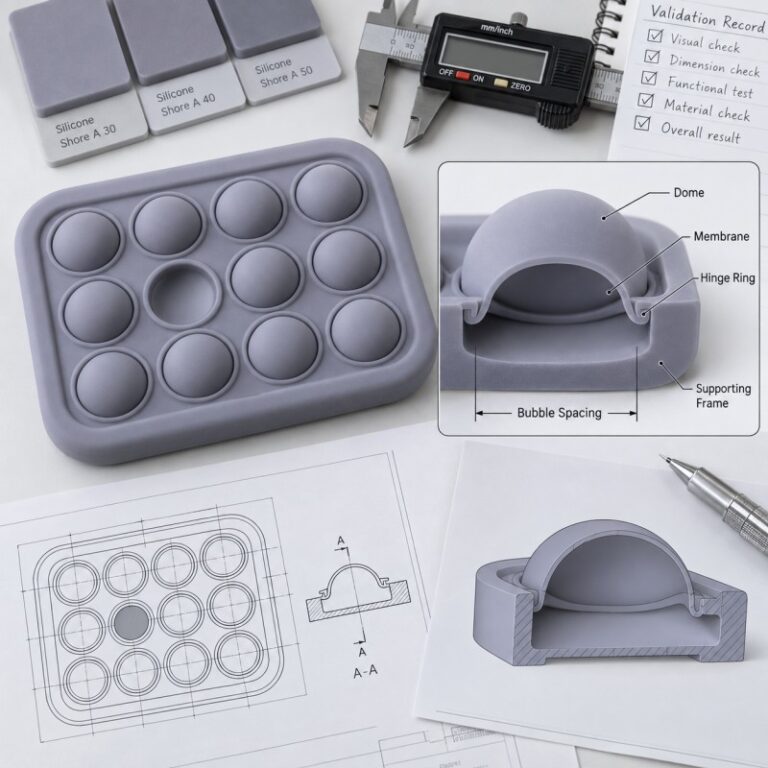
Silicone materials are typically measured using the Shore A hardness scale (ASTM D2240), which describes how resistant a rubber-like material is to indentation or compression. Lower Shore A values mean softer, more flexible material; higher values mean firmer, more puncture‑resistant material.
However:
-
Very soft silicone (low Shore A) can make toys feel gentle to the bite, but it also tears and abrades more easily when subjected to sharp teeth or aggressive chewing, increasing the risk of small pieces breaking off.
-
Extremely soft foam‑like structures or low‑durometer materials lack the mechanical strength needed to withstand repeated biting, leading to early failure and potential ingestion hazards.
-
On the other hand, overly hard materials may resist tearing but can feel uncomfortable or even pose dental wear issues for pets.
Material Science Matters: Balancing Hardness & Safety
Pet toys aren’t only about how soft they feel — they must meet real mechanical performance needs:
Hardness Versus Durability
-
Medium‑range hardness (e.g., Shore A 40–60) is often the sweet spot where toys are flexible enough to be pleasant to chew but strong enough to resist tearing.
-
For light chewers or puppies, slightly softer configurations can reduce gum irritation while retaining structural integrity.
-
For moderate to aggressive chewers, firmer silicone or multi‑layer designs are recommended to prevent premature breakdown.
Food‑Grade Silicone Safety
Premium pet toys are increasingly made from food‑grade silicone — an FDA‑ and LFGB‑compliant material that is non‑toxic, hypoallergenic, BPA‑free, odorless, and resistant to bacteria growth.
Compared with many plastics and traditional rubbers, food‑grade silicone resists moisture, won’t harbor microbes, and can often be dishwasher‑cleaned or sterilized, making it ideal for pet products.
Engineering the Right Toy
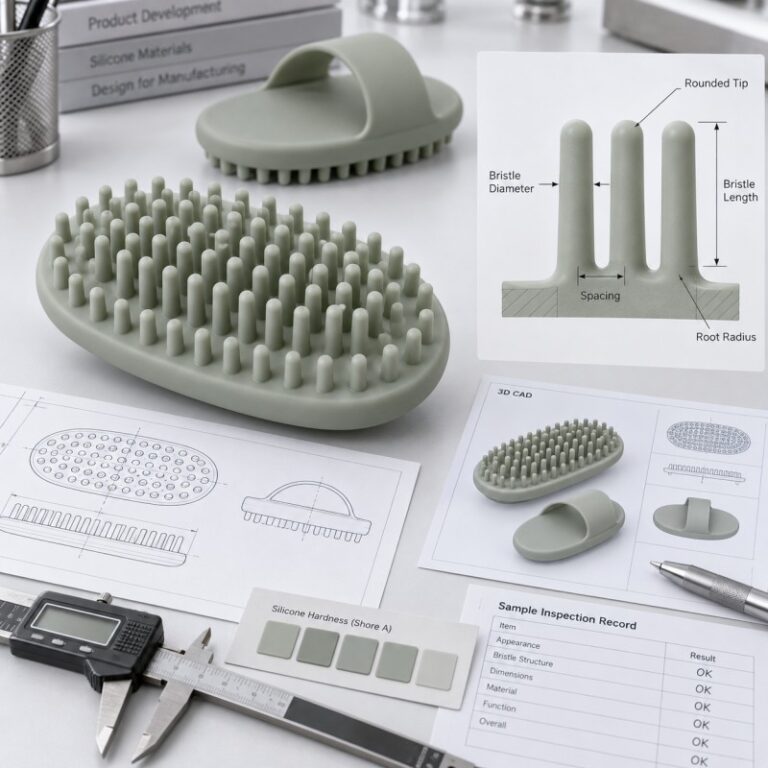
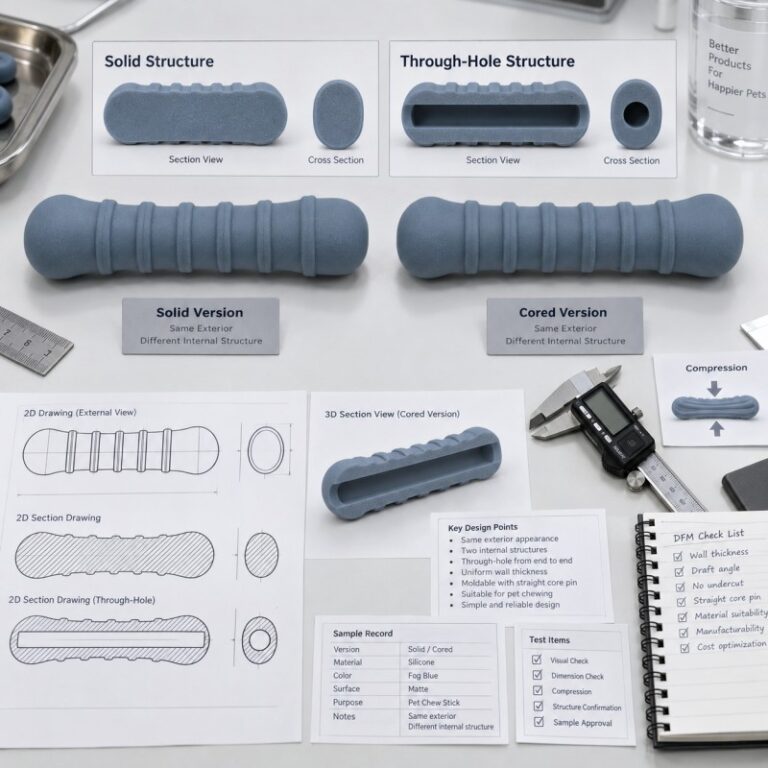
Safety also involves design features such as wall thickness, texture and shape — not just material hardness. Well‑designed toys can redirect bite force or reduce stress concentrations, further preventing tears or breakage.
Recommended Silicone Pet Products from LYA Silicone
Based on different chewing needs and applications, LYA Silicone offers OEM/ODM manufacturing for:
🐶 Silicone Dog Chew Toys
Optimized Shore hardness, tear-resistant designs, suitable for light to moderate chewers.
🦷 Silicone Pet Dental Toys
Textured surfaces designed to clean teeth while protecting gums.
🍖 Silicone Treat Dispensers & Interactive Toys
Flexible yet durable structures that balance softness with controlled deformation.
🧩 Custom Silicone Puzzle & Enrichment Toys
Multi-material or reinforced silicone designs for extended playtime and safety.


Why LYA Silicone Is a Strategic Partner for Your Pet Toy Products
At LYA Silicone, we combine material science expertise with custom manufacturing capabilities to help brands develop safer, durable, and market‑ready silicone pet toys.
What We Offer:
✔ Custom material formulation — Tune hardness and elasticity for light, moderate, or aggressive chewers.
✔ FDA / LFGB compliant food‑grade silicone — Ensuring safety for pets and consumers alike.
✔ Flexible product customization — From chew toy design and texture to branding and packaging.
✔ Rapid prototyping & tooling — Speed up development with quick sample cycles.
✔ Durable and hygienic products — Easy to clean, peel‑resistant, and long‑lasting components.


FAQ — Silicone Pet Toy Safety & Material Choices
Q1: Is softer always safer for a pet toy?
A: Not always. Extremely soft silicone may tear easily and increase the risk of choking or ingestion. Balanced hardness tuned to the target animal and use case is safer.
Q2: What hardness range is typically best?
A: Medium Shore A (typically ~40–60) often balances comfort with durability. Options can be customized based on chew strength.
A: Yes — food‑grade silicone with FDA/LFGB compliance offers the best combination of safety, non‑toxicity, and ease of cleaning.
Q4: Are silicone toys easy to clean?
A: Yes — food‑grade silicone is non‑porous and can be washed or sterilized to reduce bacterial buildup, making it highly hygienic.
Q5: Can you customize toys for my brand?
A: Absolutely. LYA Silicone offers full OEM/ODM services, including design, hardness tuning, color matching, and private label packaging.
 Contact us today to discuss your project:
- Email: sale11@lyasilicone.com
- Phone: +86-13420974883
- Website: www.lyasilicone.com