 Spanish
 English
 French
 German
 Polish
 Chinese
 Japanese
 Korean
 Russian
Contenido
Sourcing silicone pet products is not the same as sourcing a generic silicone item. Pet products are chewed, licked, washed and often left outdoors, so the material, hardness, structure and surface finish all affect whether the product survives real use. This guide explains what pet brands should check before choosing a manufacturer, and which questions to ask before paying for tooling.
1. Start with the product and the pet
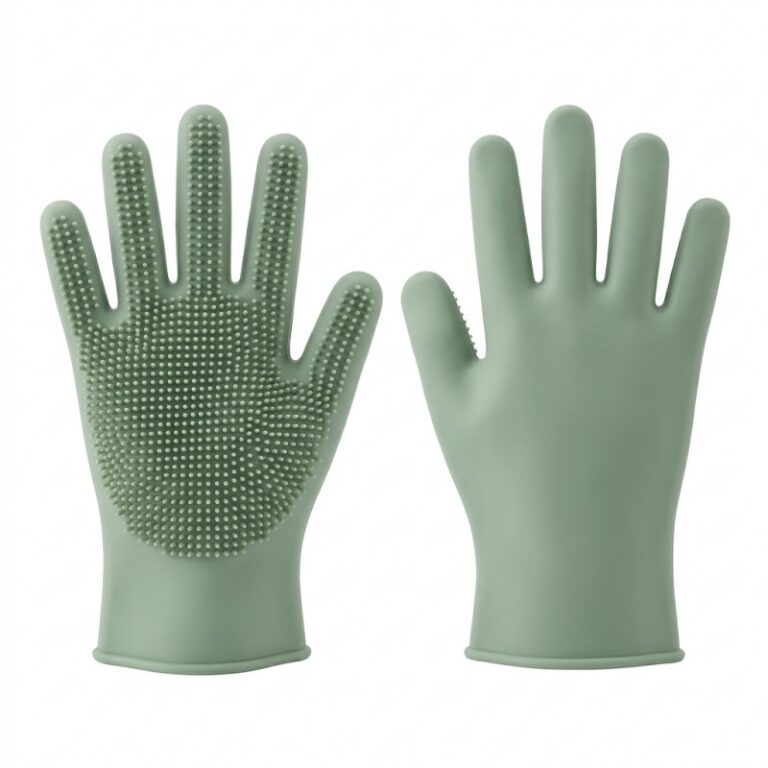
A lick mat, a slow feeder, a chew toy and a grooming glove are different engineering problems. Before comparing suppliers, define three things: the pet size, the way the product will be used, and the cleaning routine. A chew toy for a small dog and a chew toy for a strong chewer may use the same material but need different hardness, wall thickness and geometry.
- Pet size and chewing strength
- Whether the product holds food, water or nothing
- How often it is washed and whether it goes into a dishwasher
- Indoor or outdoor use, and exposure to sun or frost
2. Material grade and hardness
Silicone is not one material. Food-contact grades, general-purpose grades and different Shore hardness levels behave differently under chewing and heat. Ask the supplier which grade they propose and why, then ask which documents can be provided for your destination market. Do not accept a certificate from another customer’s project as proof for your own product.
Hardness is usually expressed on the Shore A scale. A softer compound feels gentle but can tear at thin edges; a harder compound resists chewing but may be less comfortable. The right answer depends on the product, not on a single “best” number.
3. Tooling, samples and approval
Tooling is where most pet product projects succeed or fail. Ask how the mould will be laid out, how many cavities are planned, and how the supplier will handle colour changes. Before mass production, approve a physical sample for size, hardness, surface finish and colour. Keep the approved sample as the reference for the production run.
- Mould layout and cavity count
- Sample approval criteria written down, not only discussed
- Colour matching method and acceptable tolerance
- What happens if the first sample does not meet the standard
4. Quality checks that matter for pet products
Pet products need checks that go beyond appearance. Look for sharp edges, weak roots at bristles or spikes, and thin sections that can tear. If the product holds food, check that corners and drainage are easy to clean. Ask the supplier what they inspect during production, how often, and what they record.
| Check | Why it matters | What to ask for |
|---|---|---|
| Edge and corner finish | Comfort and cleaning | Sample inspection report |
| Hardness consistency | Chewing behaviour | Shore A readings per batch |
| Colour consistency | Retail shelf quality | Approved colour standard |
| Drainage and cleaning | Hygiene and odour | Design review before tooling |
| Packing check | Retail and shipping damage | Pre-shipment inspection |
5. Packaging and retail readiness
Packaging is part of the product cost, not an afterthought. Decide early whether you need polybags, hang tags, colour boxes or display-ready cartons. Ask the supplier whether packaging is quoted separately and who is responsible for barcode and label content. A factory that can handle both moulding and retail packaging reduces the number of suppliers you have to manage.
6. Questions to ask before you place an order
Use these questions to compare suppliers on the same basis:
- Which silicone grade do you recommend for this product, and why?
- Which compliance documents can you provide for our market?
- How is the mould laid out, and how many cavities?
- What is the sample approval process and what does it cost?
- Which quality checks are recorded during production?
- Can you handle retail packaging and labelling?
- What is the MOQ for this size, colour and packaging combination?
PREGUNTAS FRECUENTES
What is the MOQ for custom silicone pet products?
MOQ depends on the product size, the number of colours and the packaging. A single-colour product in a standard size usually needs a smaller run than a multi-colour product with custom retail packaging. Share your target quantity and the supplier can confirm the most economical mould layout.
Can you match a specific Pantone colour?
Colour matching is possible, but the approved standard should be a physical sample rather than a screen image. Ask how the supplier checks colour under different lighting before production.
Can we use our own logo and packaging?
Yes. Common logo methods include embossed, debossed, printed and laser-marked logos. The right method depends on the surface and the level of detail in the artwork.
How do we check that the product is safe for pets?
Start with the intended use and the destination market, then agree the tests and documents the buyer requires. The supplier should be able to prepare samples for testing and discuss the results before mass production.
Can you develop a new pet product from a drawing?
Yes, but the process needs a clear brief: size, hardness, colour, packaging and target quantity. A drawing is enough to start a feasibility review; a physical sample or 3D file is better for tooling.
Request a quote for your pet product
Related reading: silicone pet products, OEM and ODM service, product certification guide, product development process.