 English
  French
  German
  Spanish
  Polish
  Chinese
  Japanese
  Korean
  Russian
 Contents
A Scientific, Manufacturing, and Safety Perspective for Global Brands
When it comes to infant feeding and care products, material choice is not just a design decision—it is a medical and ethical responsibility. Pediatricians, neonatologists, and healthcare professionals worldwide increasingly recommend silicone baby products over traditional plastics.
But why is silicone preferred, and what does this mean for brands, importers, and OEM buyers sourcing baby products at scale?
This article explores the scientific evidence, regulatory standards, and real-world manufacturing advantages behind silicone—while offering insight into how professional silicone manufacturers like LYA Silicone support global baby-care brands.
1. Silicone vs Plastic: Understanding the Material Difference
What Is Silicone?
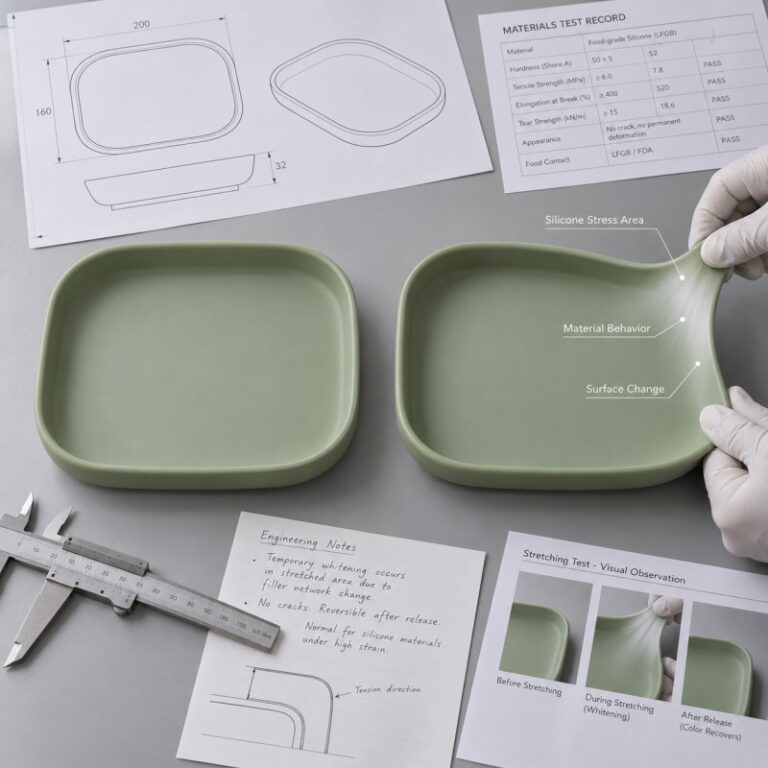
Silicone is a synthetic elastomer derived primarily from silica (SiO₂), one of the most abundant natural elements on Earth. Medical- and food-grade silicone is chemically stable, non-toxic, and does not rely on petroleum-based plasticizers.
What Is Plastic?
Most baby plastic products are made from materials such as:
-
Polypropylene (PP)
-
Polyethylene (PE)
-
Polycarbonate (PC)
Even BPA-free plastics may still contain:
-
BPS / BPF
-
Phthalates
-
Microplastic-forming polymers
2. Medical & Scientific Reasons Doctors Prefer Silicone
2.1 No Chemical Leaching (Even Under Heat)
Clinical studies show that medical-grade silicone remains chemically inert under:
-
Boiling
-
Steam sterilization
-
UV exposure
-
Dishwasher cleaning
2.3 Resistant to Microplastic Formation
Plastics degrade over time, especially when:
-
Chewed by infants
-
Exposed to heat
-
Cleaned repeatedly
This degradation can release microplastics, which recent studies associate with:
-
Digestive inflammation
-
Hormonal interference
-
Long-term metabolic risks
2.2 Superior Biocompatibility
Silicone has been used for decades in:
-
Medical implants
-
Catheters
-
Respiratory devices
-
Baby bottle nipples and pacifiers
Doctors trust silicone because it:
-
Does not trigger allergic reactions
-
Is odorless and tasteless
-
Does not support bacterial growth on its surface when properly processed
3. Safety Standards & Global Regulations Favor Silicone
From a regulatory standpoint, silicone is often easier to certify for high-end markets.
Silicone Commonly Complies With:
-
FDA (21 CFR 177.2600) – USA
-
LFGB – Germany / EU food contact
-
EN 14350 – Baby feeding articles
-
RoHS & REACH – EU chemical safety
4. Functional Advantages Parents & Doctors Notice
| Feature | Silicone | Plastic |
|---|---|---|
| Heat Resistance | Up to 200–250°C | Limited |
| Sterilization | Unlimited cycles | Degrades over time |
| Softness | Gum-safe, flexible | Can harden or crack |
| Odor Retention | None | Possible |
| Chemical Stability | Excellent | Moderate |
5. Why Brands Are Switching to Silicone Baby Products
From a B2B manufacturing perspective, silicone offers long-term brand value:
-
Premium positioning in baby & maternity markets
-
Lower customer complaints related to odor, deformation, or discoloration
-
Stronger alignment with eco-conscious and safety-driven consumers
-
Longer product lifespan → better user reviews
6. LYA Silicone: Your Trusted Silicone Baby Product Manufacturer
As a professional silicone manufacturer, LYA Silicone supports global brands with:
-
Silicone baby spoons & forks
-
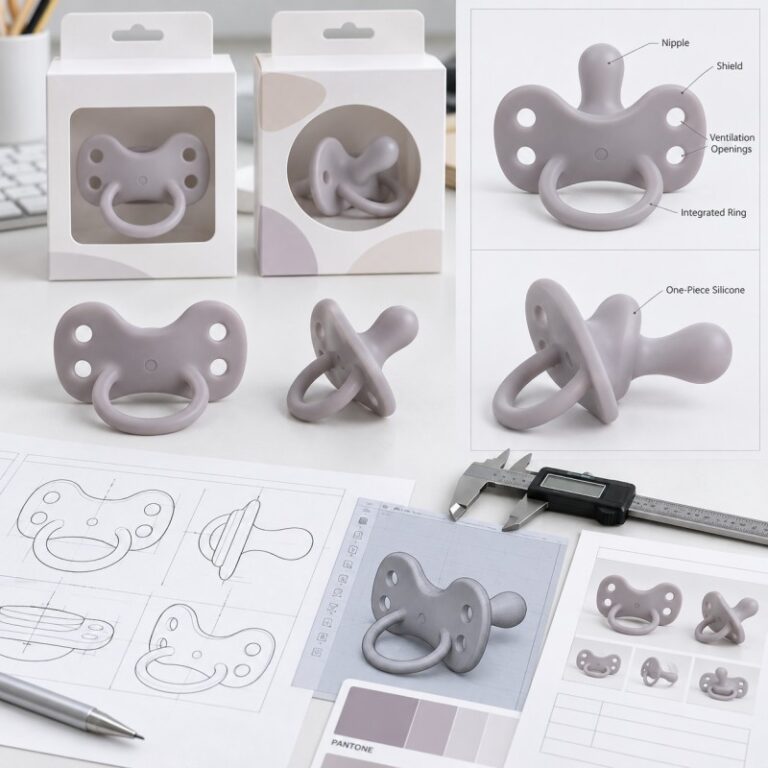
Silicone teethers & pacifiers
-
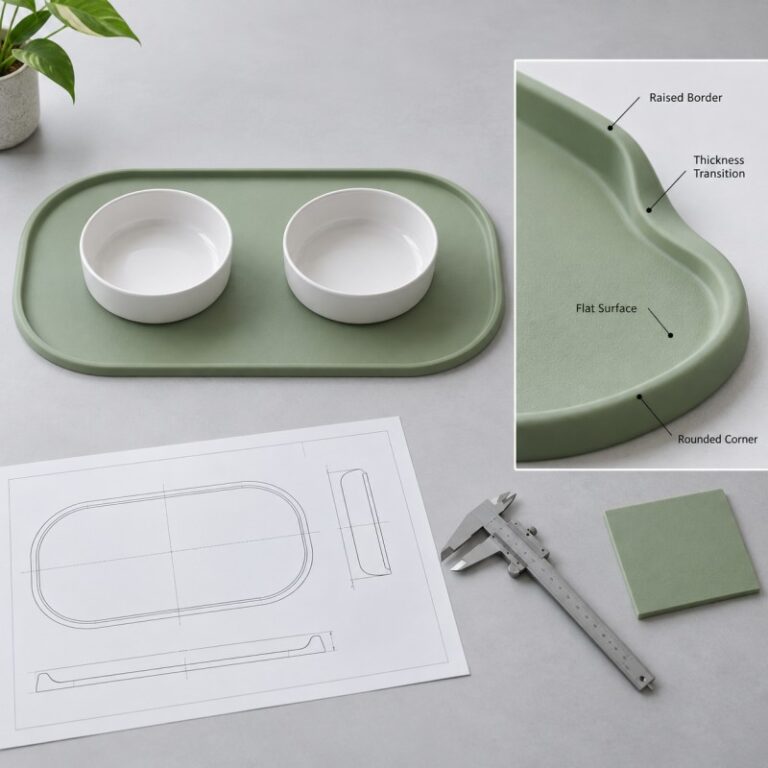
Silicone bibs & bowls
-
OEM & ODM mold development
-
Liquid Silicone Rubber (LSR) and solid silicone molding


Why B2B Buyers Choose LYA Silicone:
-
In-house mold design & tooling
-
Strict quality control from raw material to mass production
-
Experience serving EU & North American baby brands
-
Flexible MOQ and scalable production capacity


7. Conclusion: A Doctor-Backed, Brand-Smart Choice
Doctors recommend silicone baby products not because they are trendy—but because they are scientifically safer, medically trusted, and functionally superior.
For brands and importers, choosing silicone is also a strategic decision:
-
Fewer compliance risks
-
Higher consumer trust
-
Stronger long-term brand equity
FAQ – Silicone Baby Products for B2B Buyers
Q1: Is silicone really safer than BPA-free plastic?
Yes. Even BPA-free plastics may release other chemicals under heat. Medical-grade silicone remains chemically stable and inert.
Q2: Can silicone baby products be sterilized repeatedly?
Absolutely. Silicone withstands boiling, steam, and UV sterilization without degradation.
Q3: Does silicone contain microplastics?
No. Silicone does not break down into microplastics like traditional plastics.
Q4: What certifications can LYA Silicone support?
We support FDA, LFGB, EN 14350, REACH, RoHS, and customized third-party testing based on your target market.
Q5: Can LYA Silicone provide OEM / private label baby products?
Yes. We offer full OEM & ODM services including mold design, logo customization, packaging, and mass production.
Contact Information
LYA Silicone – Your Trusted Silicone OEM Partner
-
 Email: sale11@lyasilicone.com
 -
 Phone: +86-13420974883
 -
 Website: www.lyasilicone.com